Steady Expansion of Market Scale: On a global level, the market size for automotive diagnostic tools in 2023 is approximately 1.514 billion USD. VMResearch forecasts that it will reach 2.291 billion USD by 2030, with a compound annual growth rate (CAGR) of 6.8% from 2024 to 2030. China's market, with its large car ownership and well-developed aftermarket, is becoming a crucial growth pole, showing significant future growth potential.
Continuous Upgrade of Technological Levels: High-precision diagnostic technologies can accurately identify minor sensor faults, reducing the misdiagnosis rate. There is a clear trend toward multifunctional integration, combining fault diagnosis, data analysis, maintenance reminders, and other functionalities. Remote support is becoming a new highlight, leveraging cloud computing and the Internet of Things (IoT) to enable experts to assist in resolving complex issues remotely.

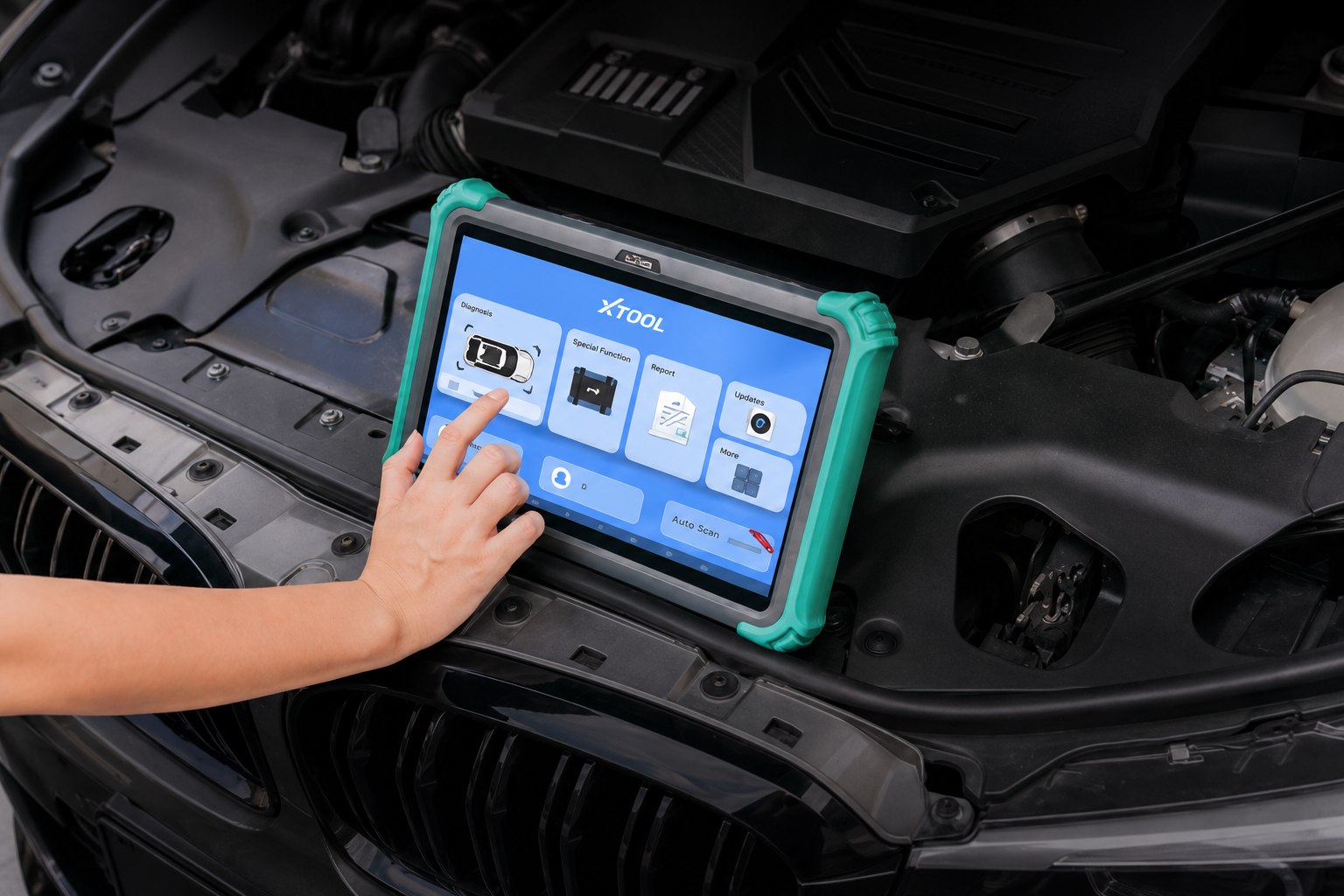
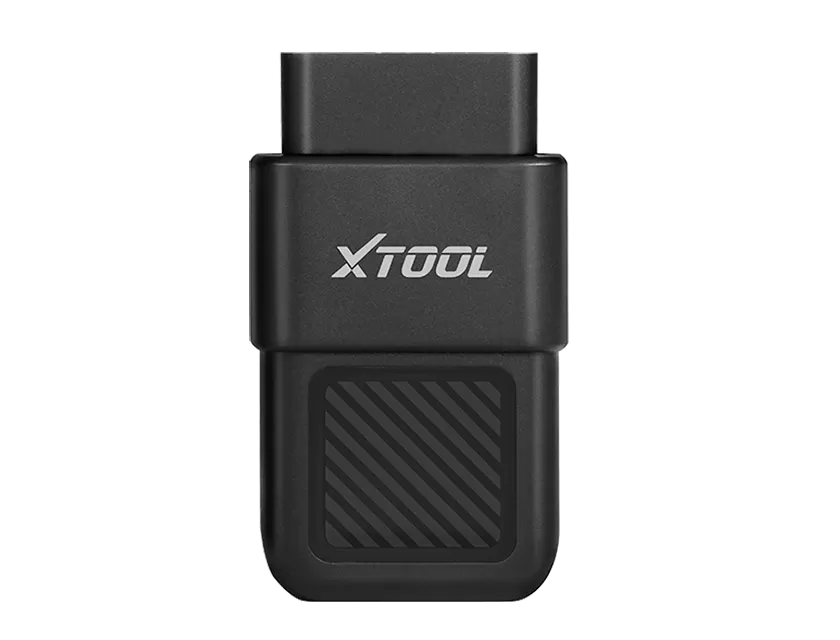
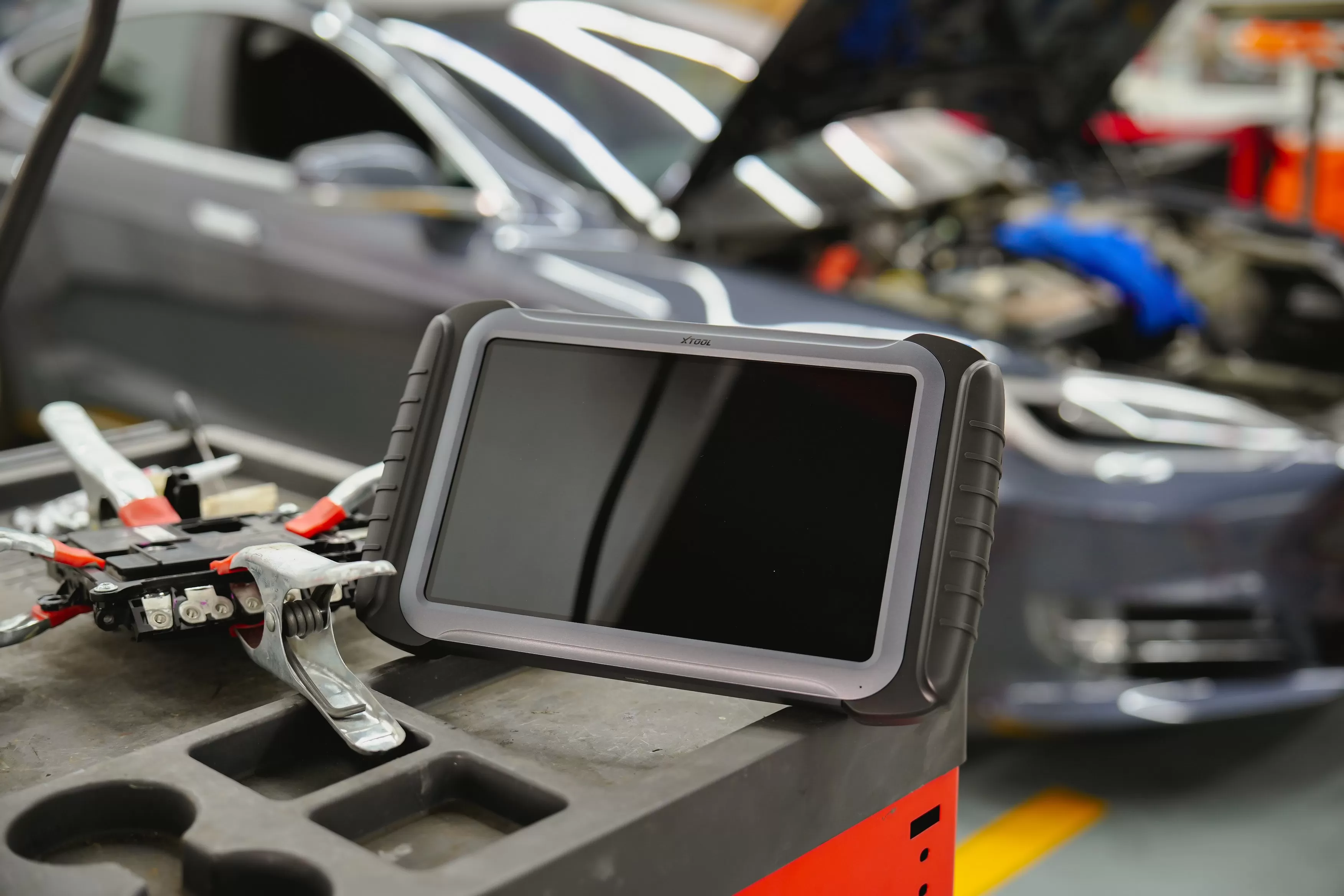
The "Efficiency Weapon" for Car Repairs: Connecting to the OBD interface can quickly read fault codes. For example, when the engine fault light is on, the tool can locate spark plug issues within minutes. It can also real-time monitor data streams, helping analyze complex issues like unusual transmission oil temperature or pressure, thereby improving repair efficiency.
The "Safety Barrier" for Car Inspections: When checking the brake system, the tool can read pressure sensor data to determine brake pad wear and leakage conditions. It ensures exhaust gas compliance when inspecting the emission system. In second-hand car inspections, it can check historical fault records to identify electronic equipment issues, providing a basis for evaluation.
The "Smart Advisor" for Car Maintenance: Based on driving data and engine conditions, it can accurately recommend oil and filter change times. For vehicles in congested urban traffic, it may suggest shorter maintenance cycles. Long-term data monitoring can predict component failures, enabling preventive maintenance.
High Pressure of Technological Iteration: The average update cycle of automotive electronic systems is short. Diagnostic tools need to keep up by upgrading algorithms and software, requiring continuous investment in R&D and the introduction of high-end technical talent.
Fierce Market Competition: Traditional component manufacturers, emerging tech companies, and cross-industry enterprises are entering the market, leading to serious product homogenization. Price wars squeeze profit margins, creating survival pressure for some small and medium-sized enterprises.
Data Security Risks: The tools collect data on driving trajectories and engine conditions, which contain personal privacy information. In 2023, a brand experienced a data leakage incident. Preventing hacker attacks and protecting user privacy have become industry challenges.
In the future, automotive diagnostic tools will advance towards smart and automated systems. By integrating artificial intelligence and machine learning, they will be able to predict faults in advance, optimize diagnostic models, and even automatically adjust repair strategies.
The trend toward networking and remote capabilities will further strengthen. Leveraging 5G technology, remote diagnosis efficiency will improve, eliminating the need for car owners to bring their cars to the shop. Technicians can remotely guide simple repairs or perform software upgrades, while also sharing data with car manufacturers and parts suppliers to collaboratively resolve complex issues.
Fusion and integration are also important directions. These tools will integrate with car networking and autonomous driving technologies, acquiring more data sources to ensure the safety of autonomous vehicles. They will also merge with maintenance management systems to achieve full-process informatization from diagnosis to parts procurement and record management, offering more comprehensive services to the automotive industry.