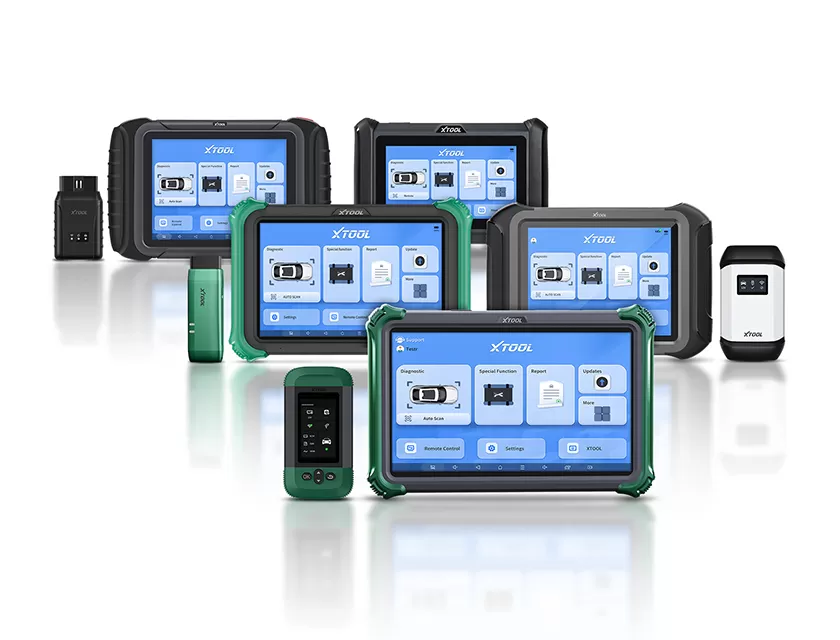
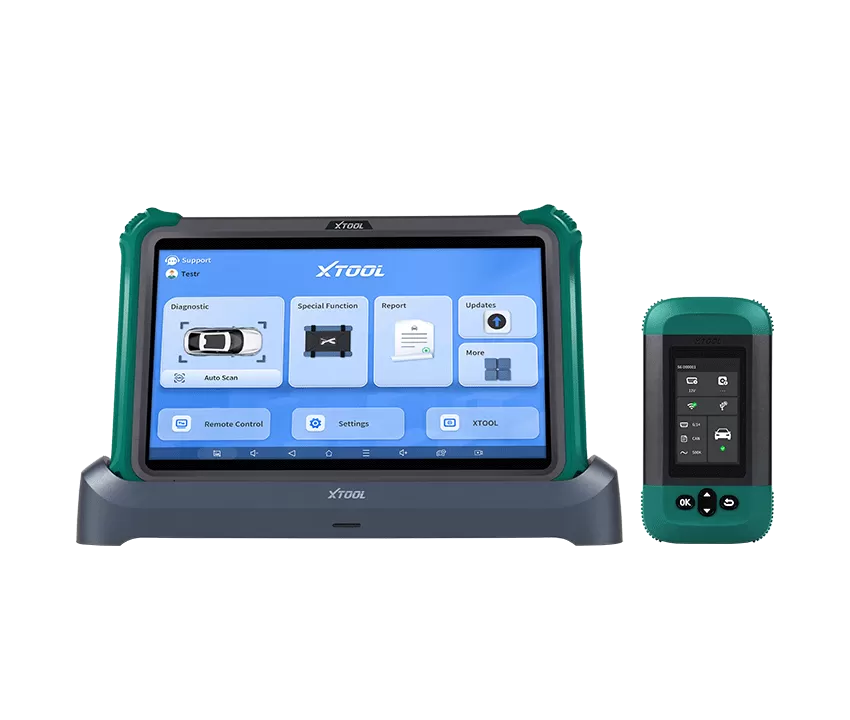
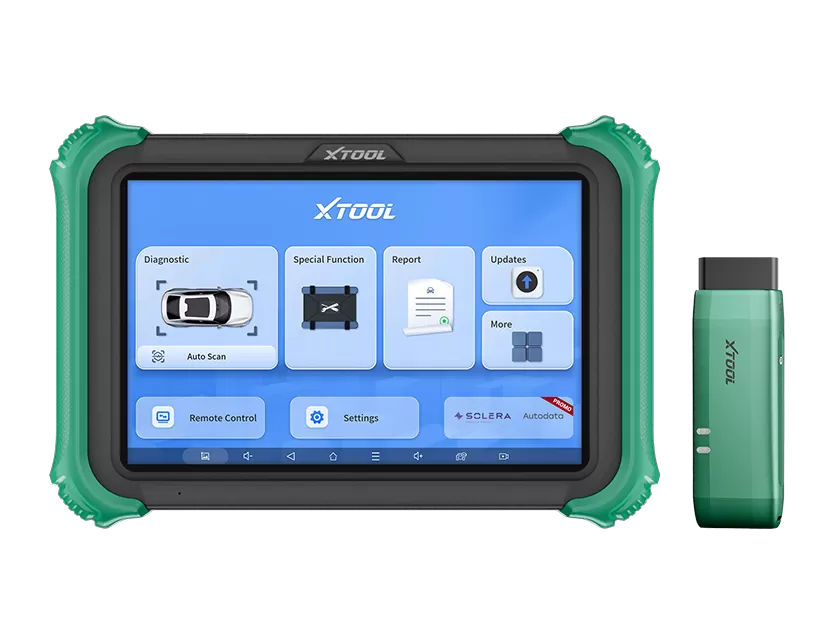
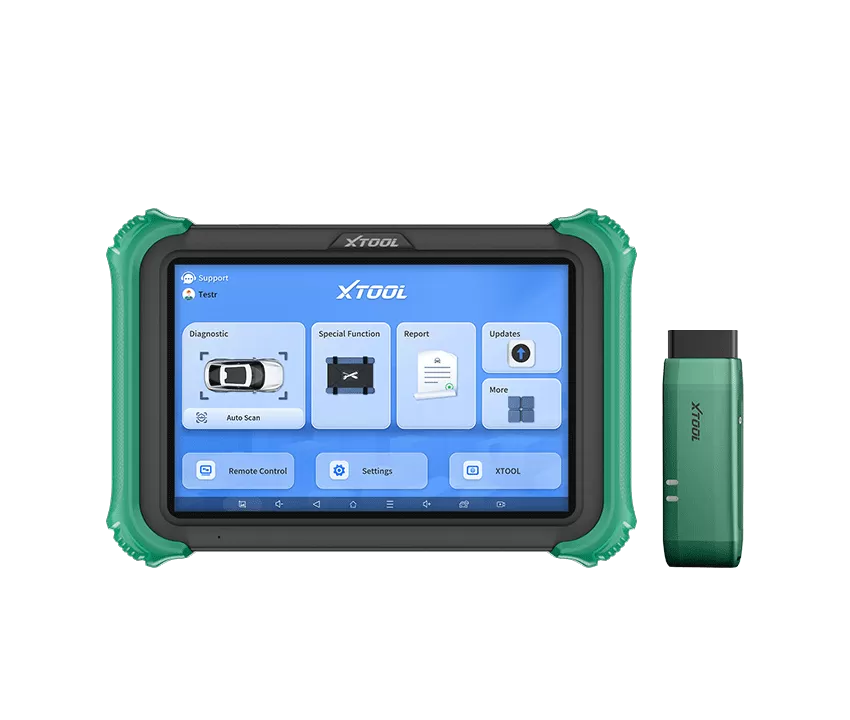
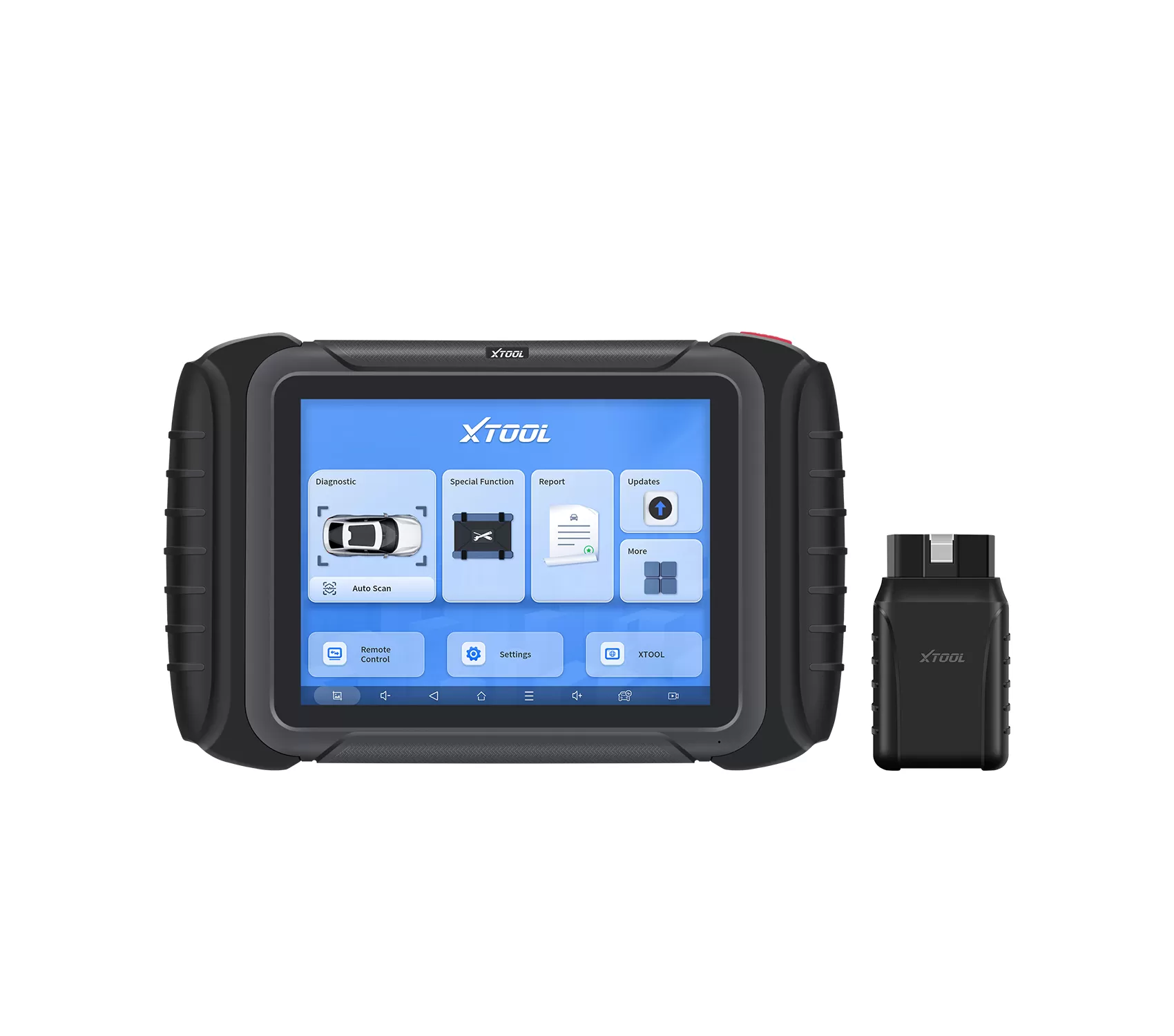
Gasoline vehicle diagnostic tools are essential for modern car maintenance. They help technicians quickly detect engine, transmission, fuel, and emission system issues. These tools are compatible with a wide range of U.S., European, and Asian vehicles. They improve efficiency, reduce downtime, and maintain optimal vehicle performance. Modern diagnostic tools support advanced protocols such as CAN, KWP, and ISO9141. Whether for professional repair shops or DIY enthusiasts, they provide reliable, precise, and cost-effective diagnostics.
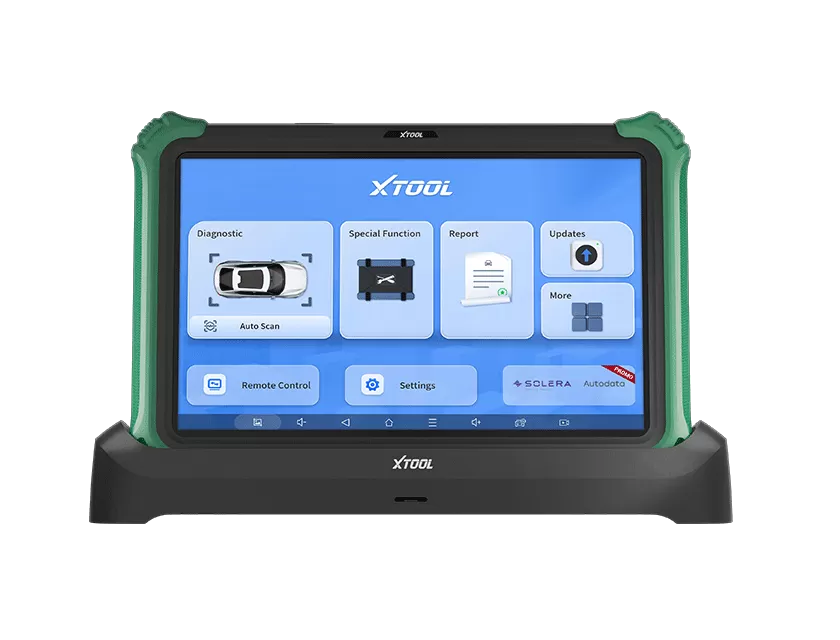


Technicians often face engine misfires, fuel injection malfunctions, and ignition system faults. Emission system errors are also common, affecting catalytic converters and oxygen sensors.
Modern vehicles use multiple ECUs and complex communication protocols, making manual troubleshooting challenging. Diagnostic tools simplify this by reading fault codes, analyzing live data, and providing guided diagnostics.
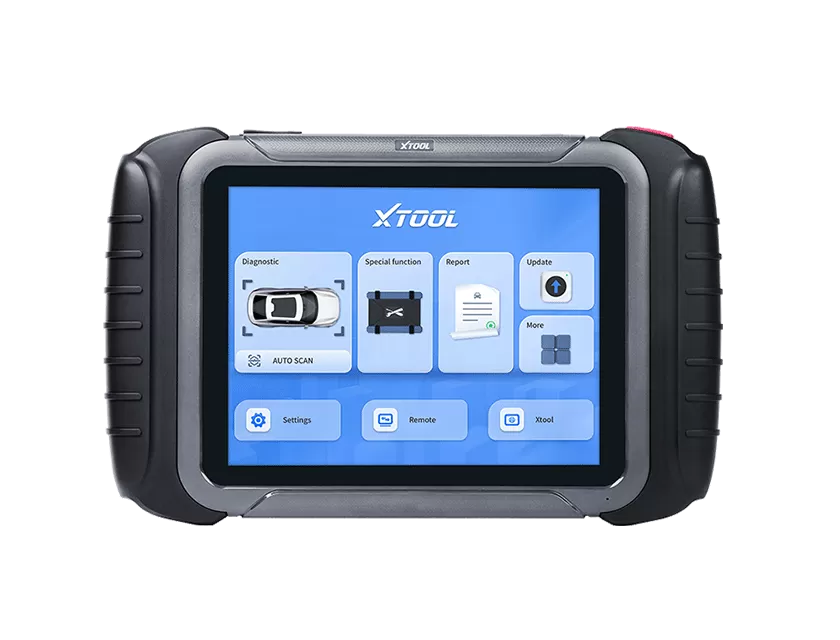
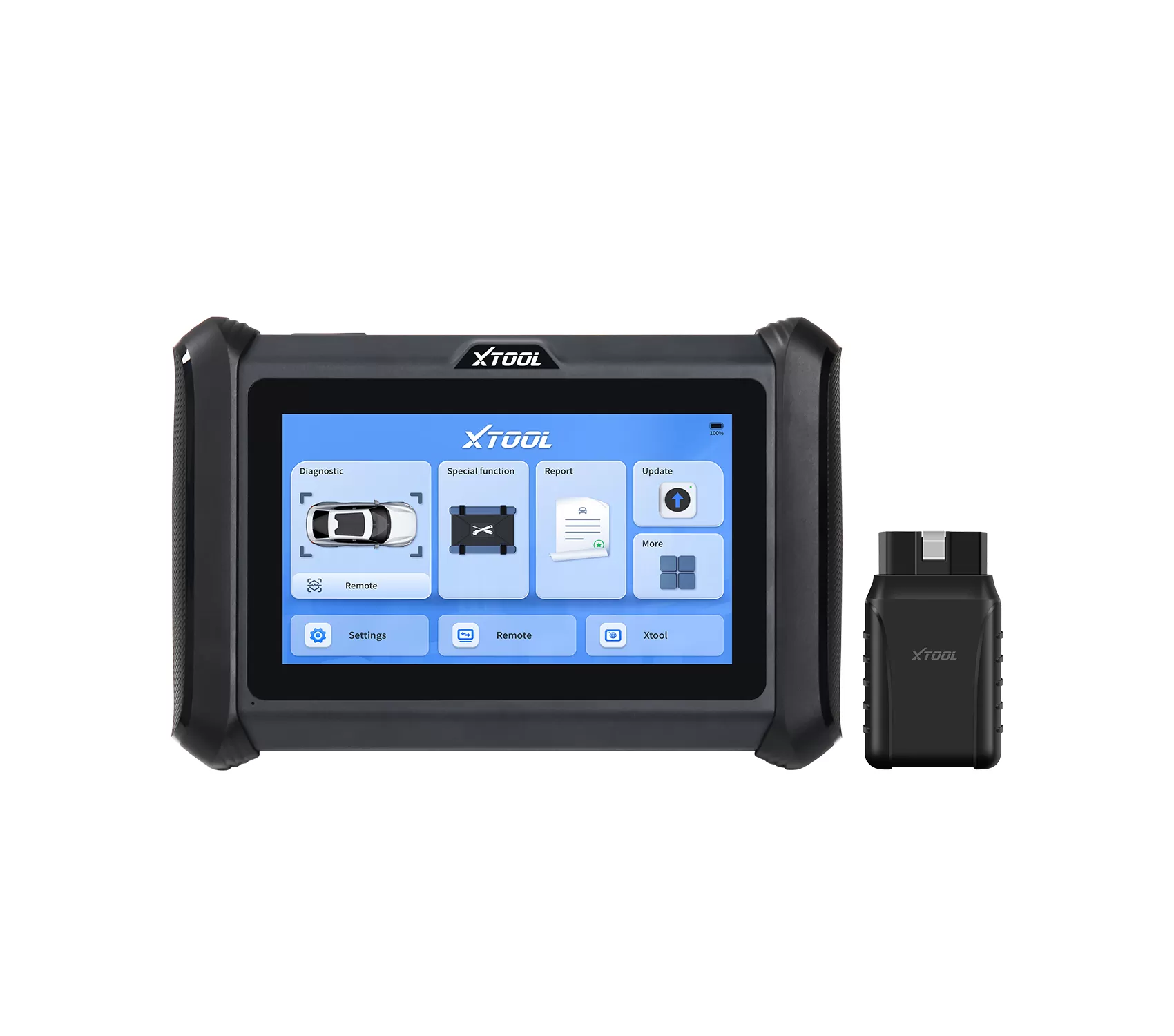
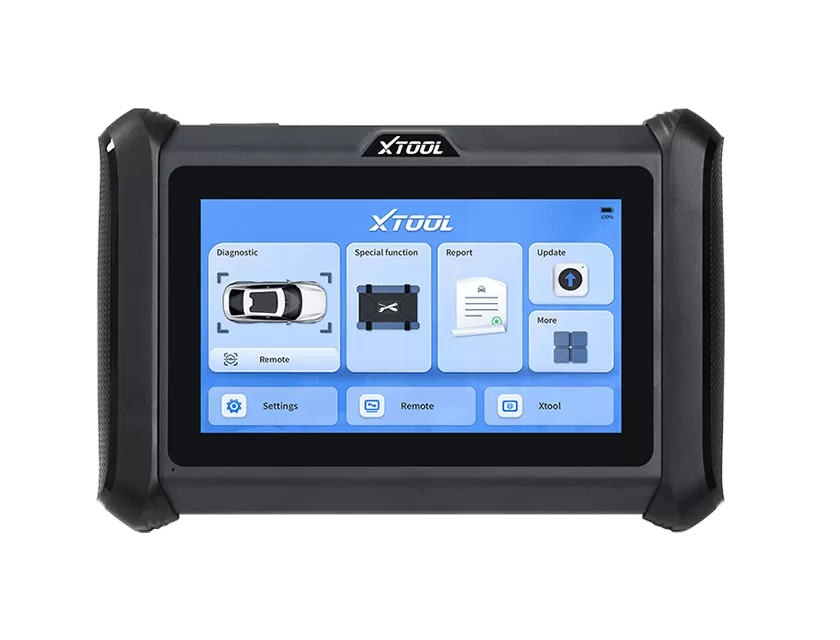
These tools helps identify intermittent issues that are hard to detect manually. Using professional XTOOL auto diagnostic tool reduces unnecessary part replacements, saves time, and ensures engine performance and fuel efficiency.
Overall, these tools provide a complete solution for reliable and efficient maintenance of vehicles.
When selecting a gasoline vehicle diagnostic tool, keep these factors in mind:

Ensure compatibility with popular makes and models.
Look for OBD2 scanning, live data, and advanced system checks.
A clear interface and fast navigation save time in workshops.
Regular updates guarantee support for new vehicles.
Choose tools with reliable hardware and strong after-sales service.