For many EV owners, the first visible problem is simple: the range no longer feels right.
A customer may come into the shop saying:
The displayed range drops faster than before.
The vehicle does not regain much range after charging.
Charging feels slower or less stable.
Battery drain becomes more noticeable in cold or hot weather.
The dashboard shows battery, drive system, or charging-related warnings.
At first glance, these complaints may sound like battery aging. But in a real repair workflow, the answer is rarely that simple.
The same range-loss complaint may involve:
BMS communication issues
Battery cell imbalance
DCDC converter faults
Onboard charger problems
Thermal management faults
Abnormal data from sensors or control modules
This is where EV repair becomes different from traditional vehicle repair. The challenge is not only a new powertrain. It is a new diagnostic logic.
EV Repair Demand Is No Longer a Future Topic
EVs and hybrids are becoming a regular part of the repair market. According to the IEA’s Global Energy Review 2026, global electric car sales increased by more than 20% year-on-year in 2025, reaching 21 million units. That means one in four cars sold worldwide was electric.
For repair shops, this means EV diagnostics is no longer an optional add-on service. It is becoming part of the daily service environment.
Compared with traditional vehicles, EVs bring a very different system structure:
The engine is replaced by an electric motor.
The high-voltage battery becomes a core system.
BMS, OBC, DCDC, motor control, and electric compressors become key diagnostic targets.
Repair decisions depend more heavily on system data and module communication.
In the past, technicians could rely heavily on mechanical experience. With EVs, the first step is often understanding the data before deciding what to repair.
Diagnostics Is the First Step, Not the Whole Repair
One important distinction is that EV diagnostics and high-voltage battery service are not the same thing.
A diagnostic tool does not directly handle high-voltage charging, discharging, or battery pack repair. Those tasks require dedicated equipment and proper high-voltage safety procedures. The diagnostic tool’s role is to communicate through the vehicle bus, read system data through modules such as the BMS, and help technicians understand what is happening inside the vehicle system.
In that sense, EV diagnostics is closer to the “clinical diagnosis” stage of repair.
It helps answer questions such as:
Which system is abnormal?
Which data point does not match the expected state?
Which module or component should be tested next?
Is the issue likely to require balancing, matching, replacement, or further inspection?
A diagnostic tool may not perform every repair action directly. But it can determine how fast and how accurately the technician reaches the right repair direction.
EV Diagnostics Is Also a Business Opportunity
For repair shops, EV diagnostics brings a higher technical threshold. But that threshold also creates a new business opportunity.
Professional EV diagnostic capability can help shops:
Serve more EV and hybrid customers
Offer higher-value diagnostic services
Improve technician efficiency
Support more confident repair recommendations
Reduce unnecessary trial-and-error
Build stronger customer trust in high-value repair decisions
This matters because EV-related repairs often involve expensive systems. Battery packs, motor control systems, charging modules, and power electronics are not small-ticket items. Customers need a clear explanation before approving major repair work.
A shop that can show data, identify the system logic, and explain the diagnostic path will have a stronger position than a shop that can only provide a general code result.
As EV adoption grows, the difference between repair shops will not only be who can service more vehicles. It will be who can understand EV system data faster and turn that understanding into reliable repair decisions.
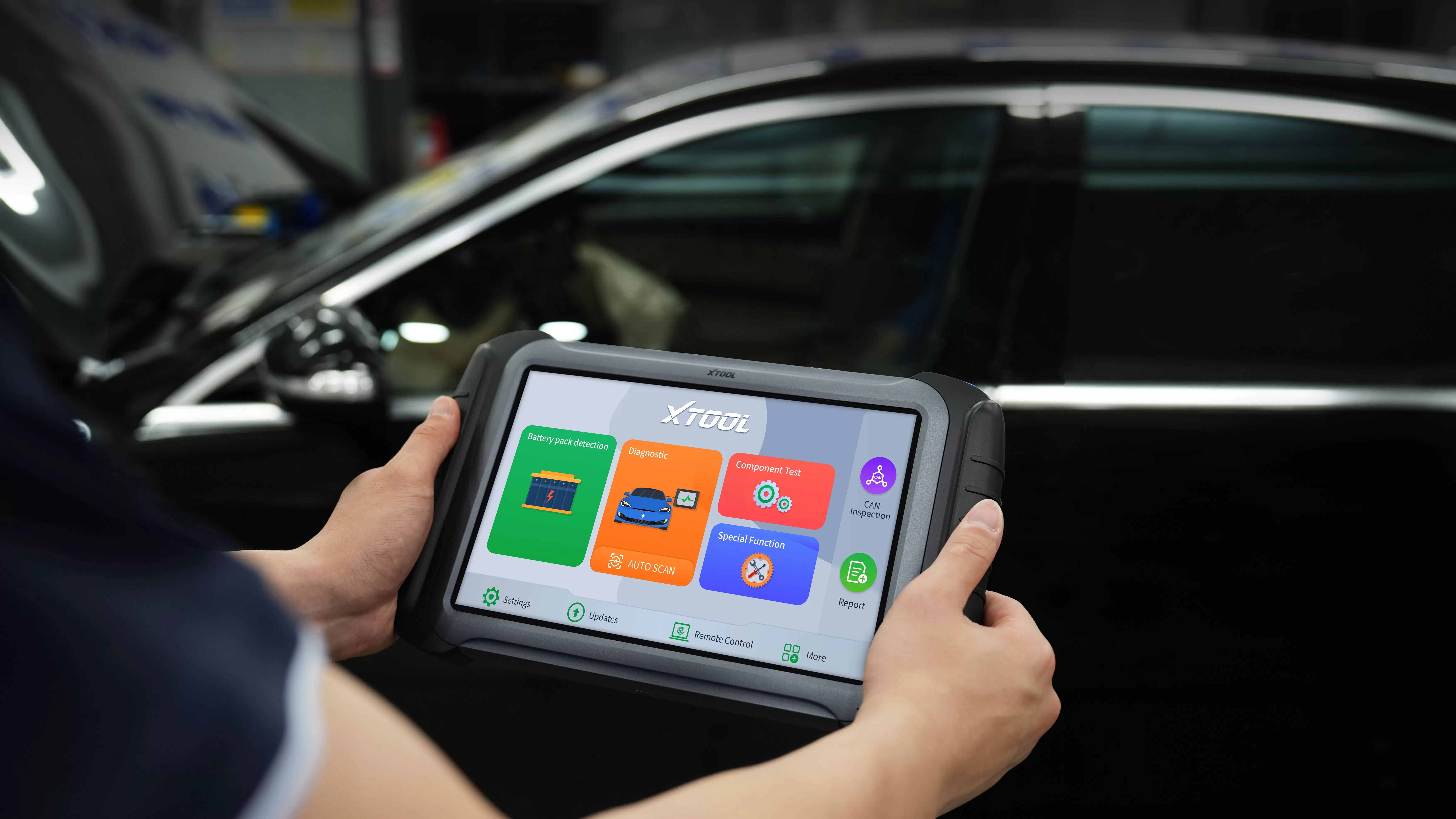
Where XTOOL E2 Pro Fits
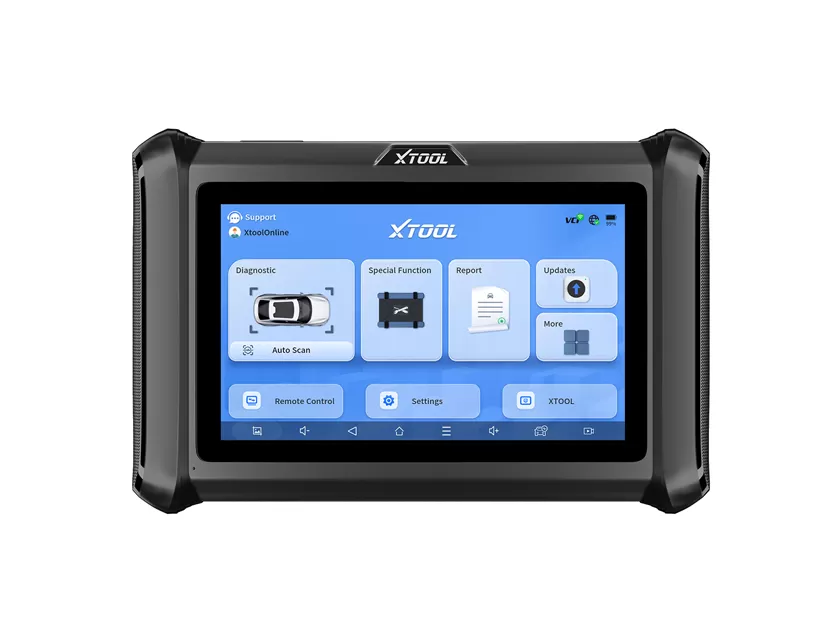
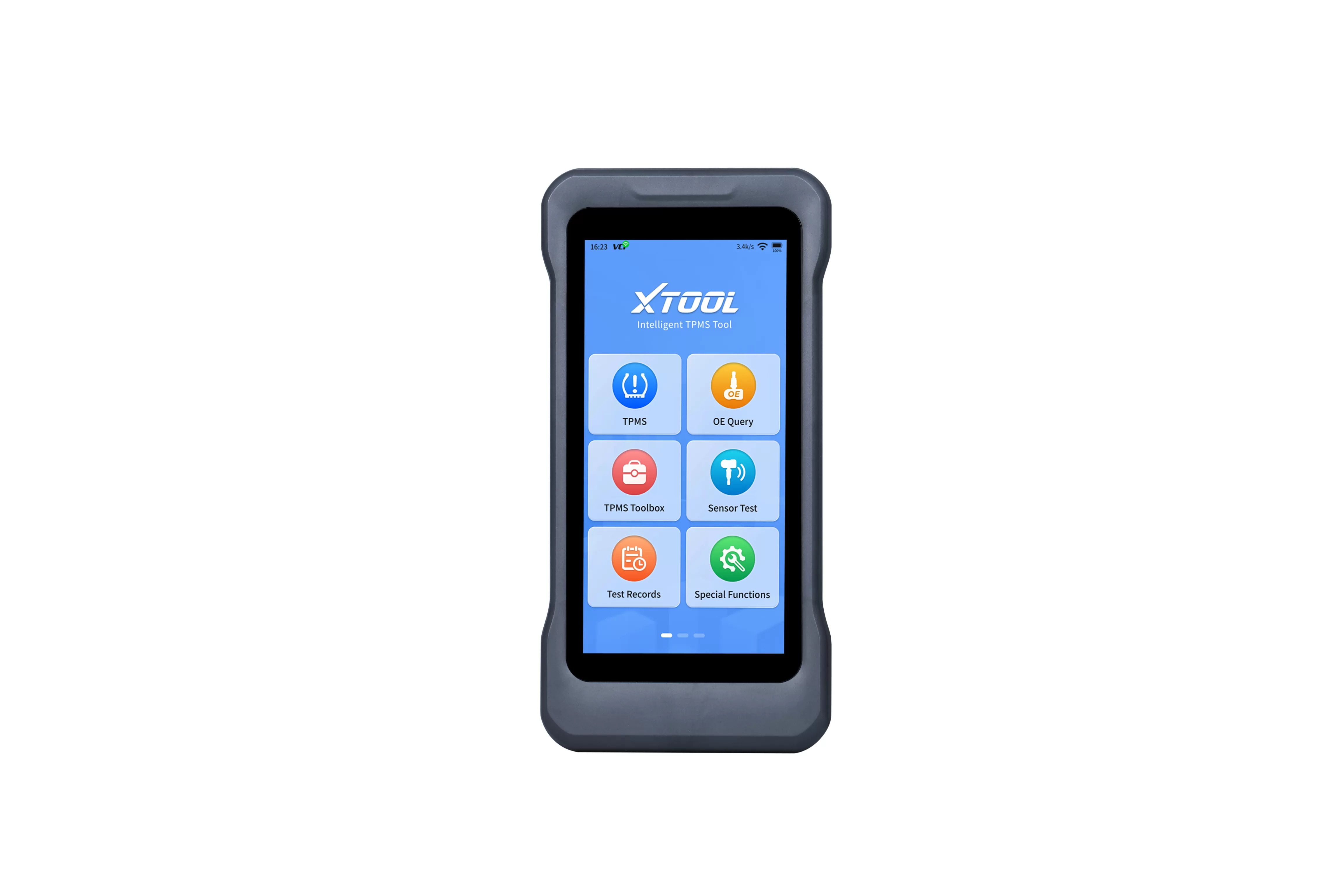
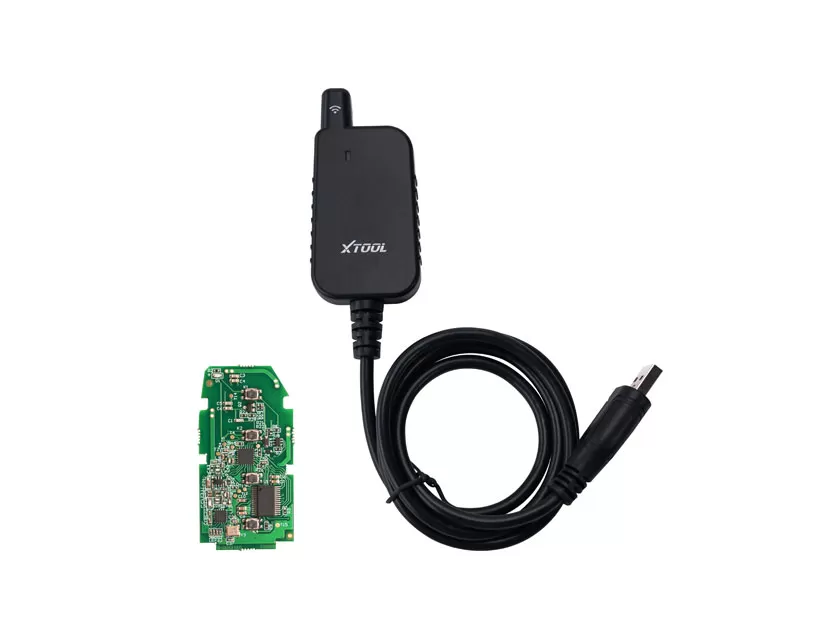
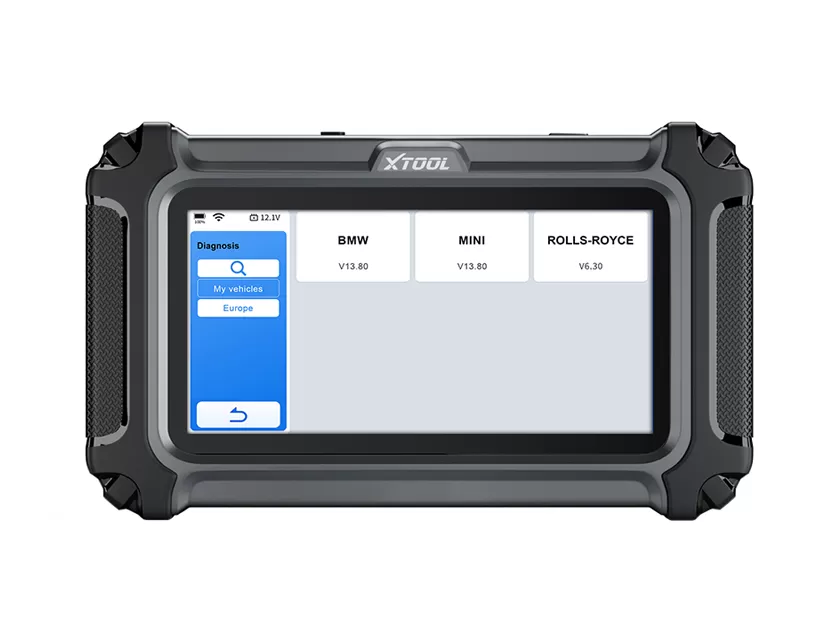
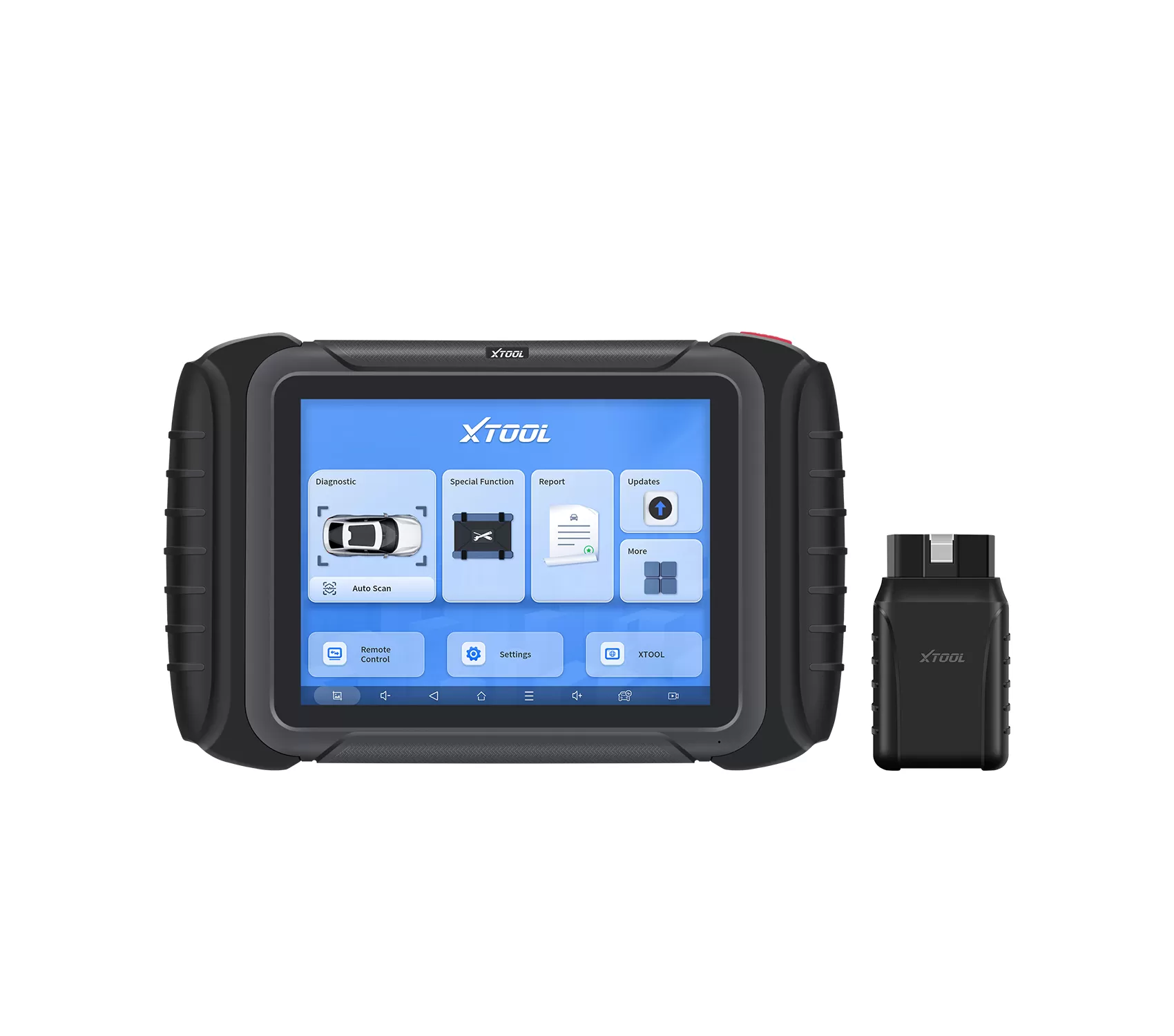
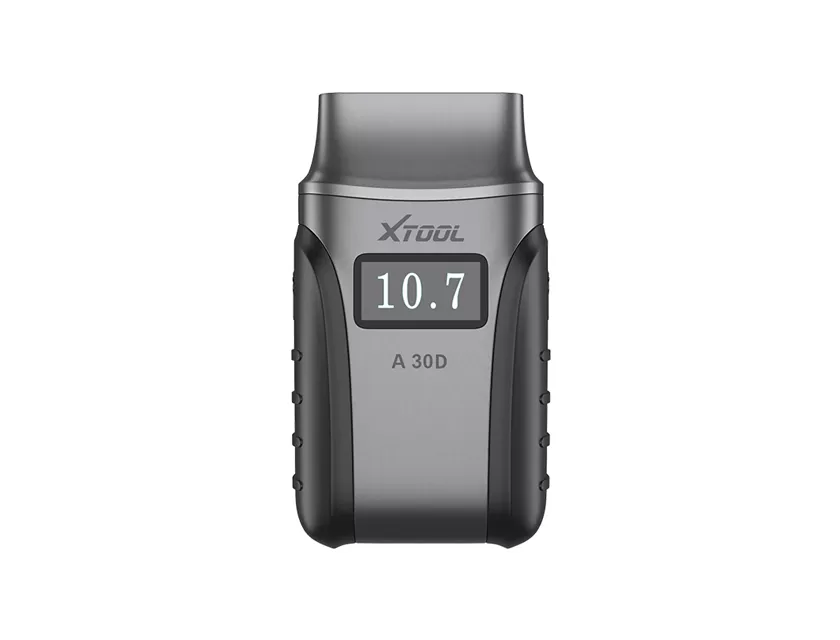
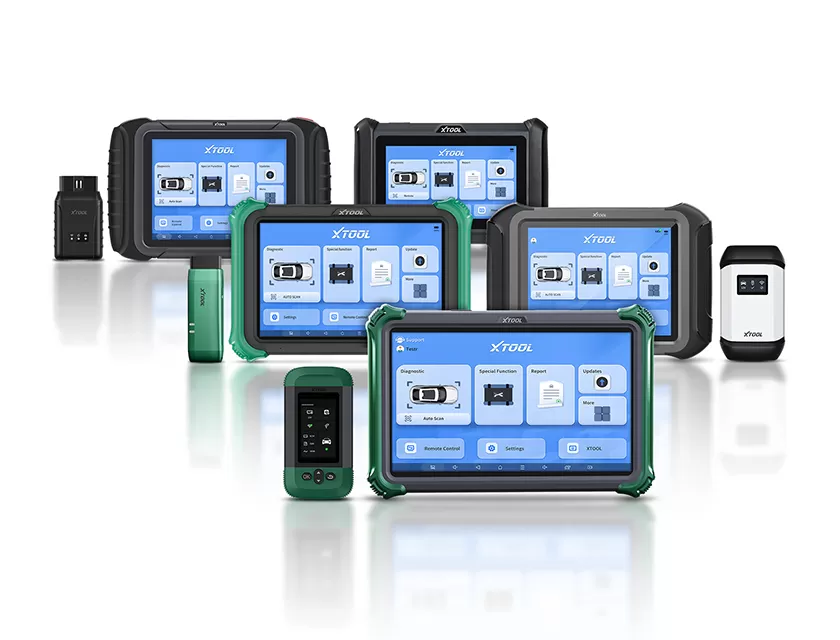
XTOOL E2 Pro is designed for professional EV diagnostic workflows.
Its value is not limited to reading fault codes. It is built to support EV-specific diagnostic scenarios, including:
BMS Data Recovery
Gateway Simulation
DCDC Detection
Tesla Battery Diagnostics
EV Module Testing
Battery, motor, and compressor-related diagnostics
These capabilities help technicians move beyond basic code reading and enter a more system-level diagnostic process.
For repair shops, E2 Pro supports three key needs:
Faster fault location
It helps technicians identify whether the issue is related to the battery system, communication path, charging system, or other EV components.More data-based repair decisions
It gives technicians more information before they recommend balancing, matching, component testing, replacement, or further inspection.Stronger EV service capability
It helps shops build the diagnostic foundation needed to serve modern EV and hybrid vehicles more professionally.
As EV repair becomes a larger part of the aftermarket, diagnostic capability will become one of the most important competitive advantages for repair shops.