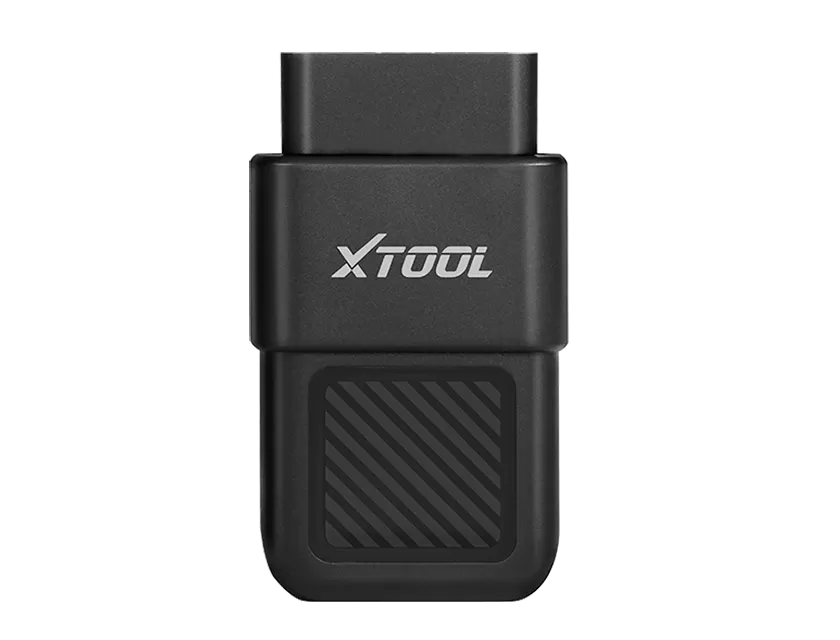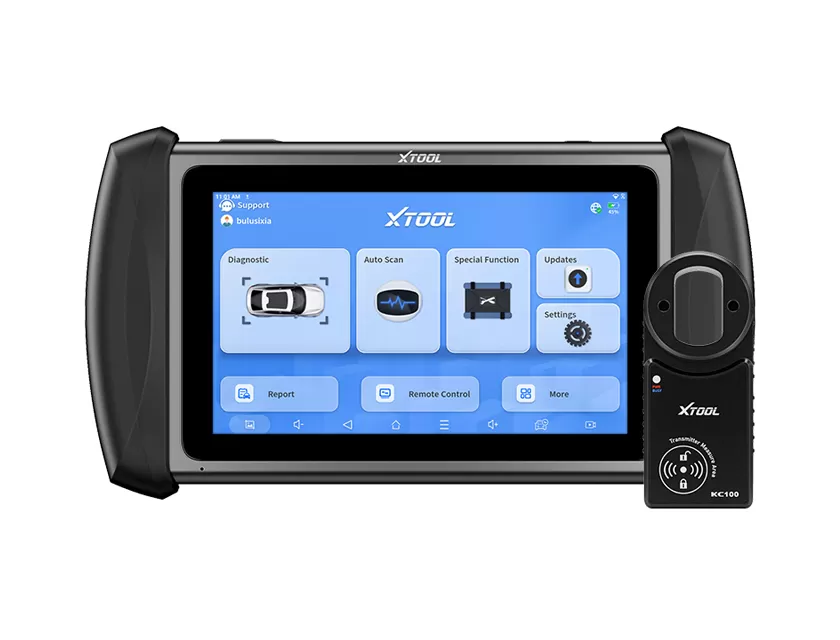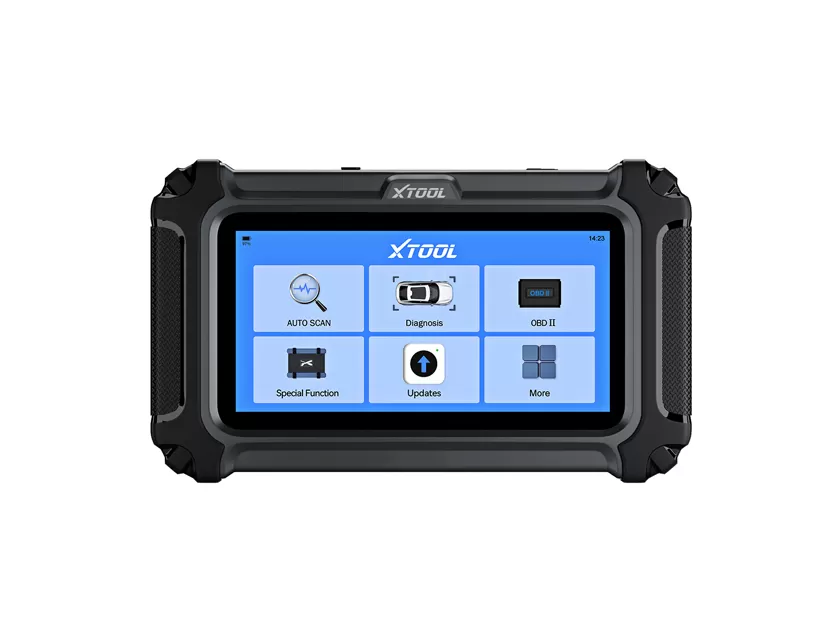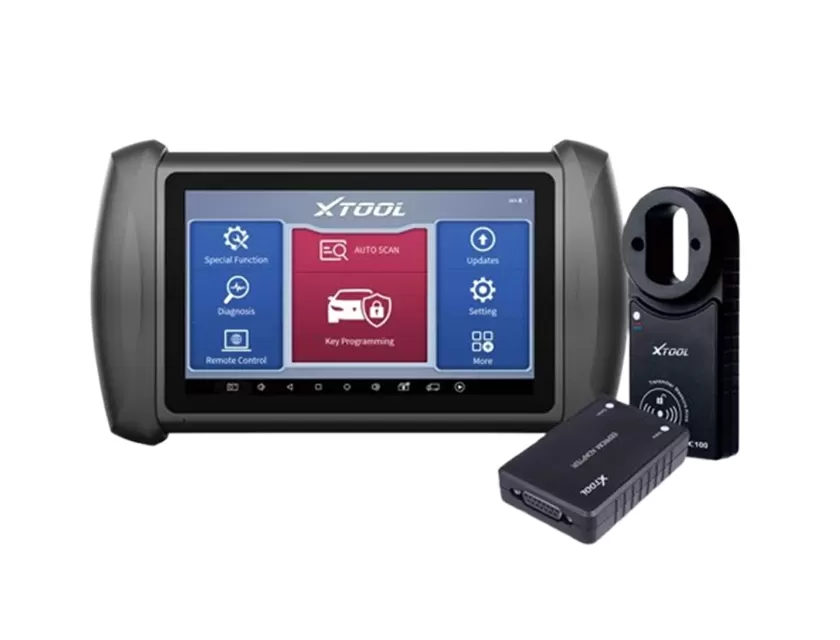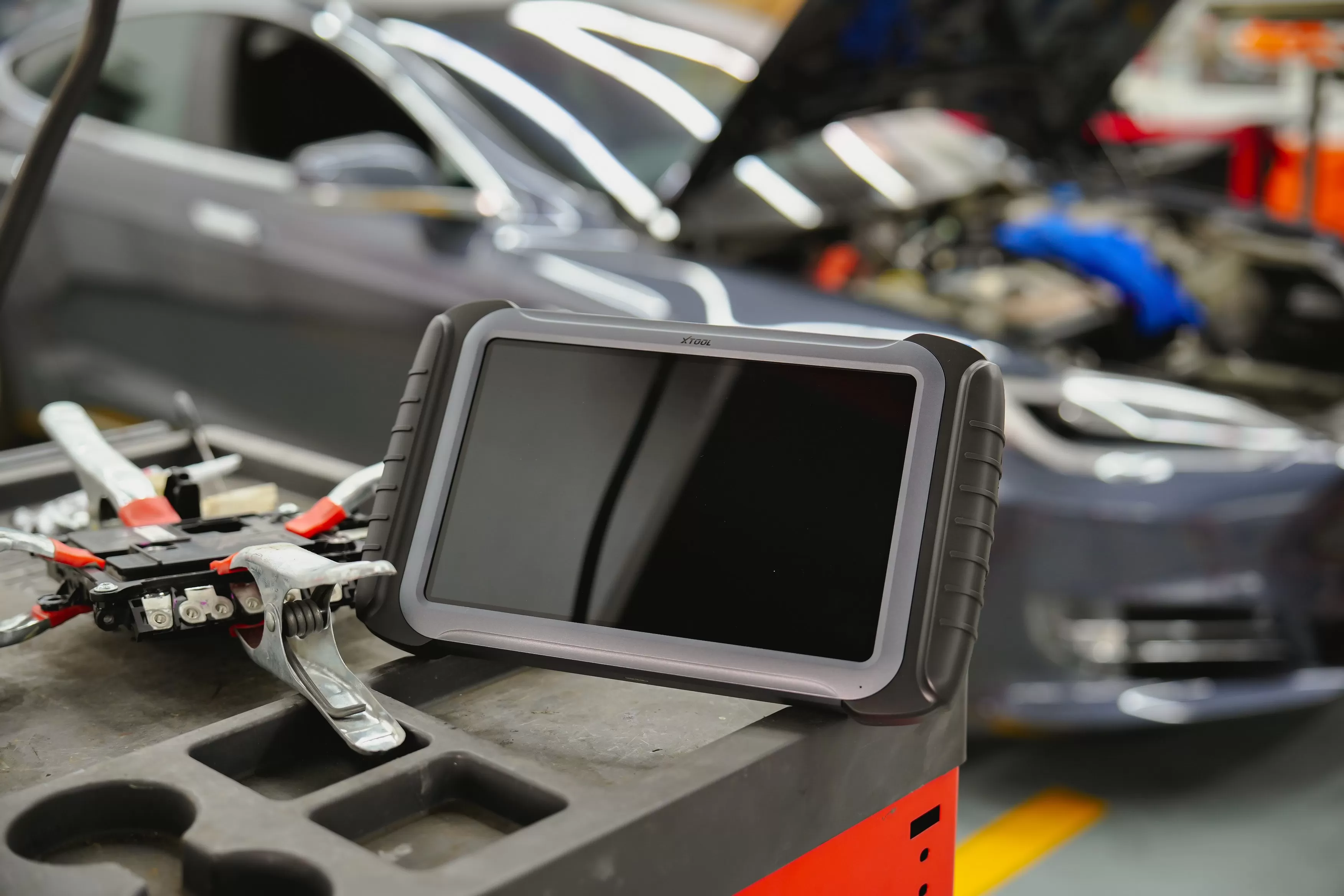
For years, automotive diagnostic tools were mainly used to read fault codes, check basic live data, and perform simple service resets. In that environment, a small screen was usually enough.
But modern vehicle diagnostics has changed.
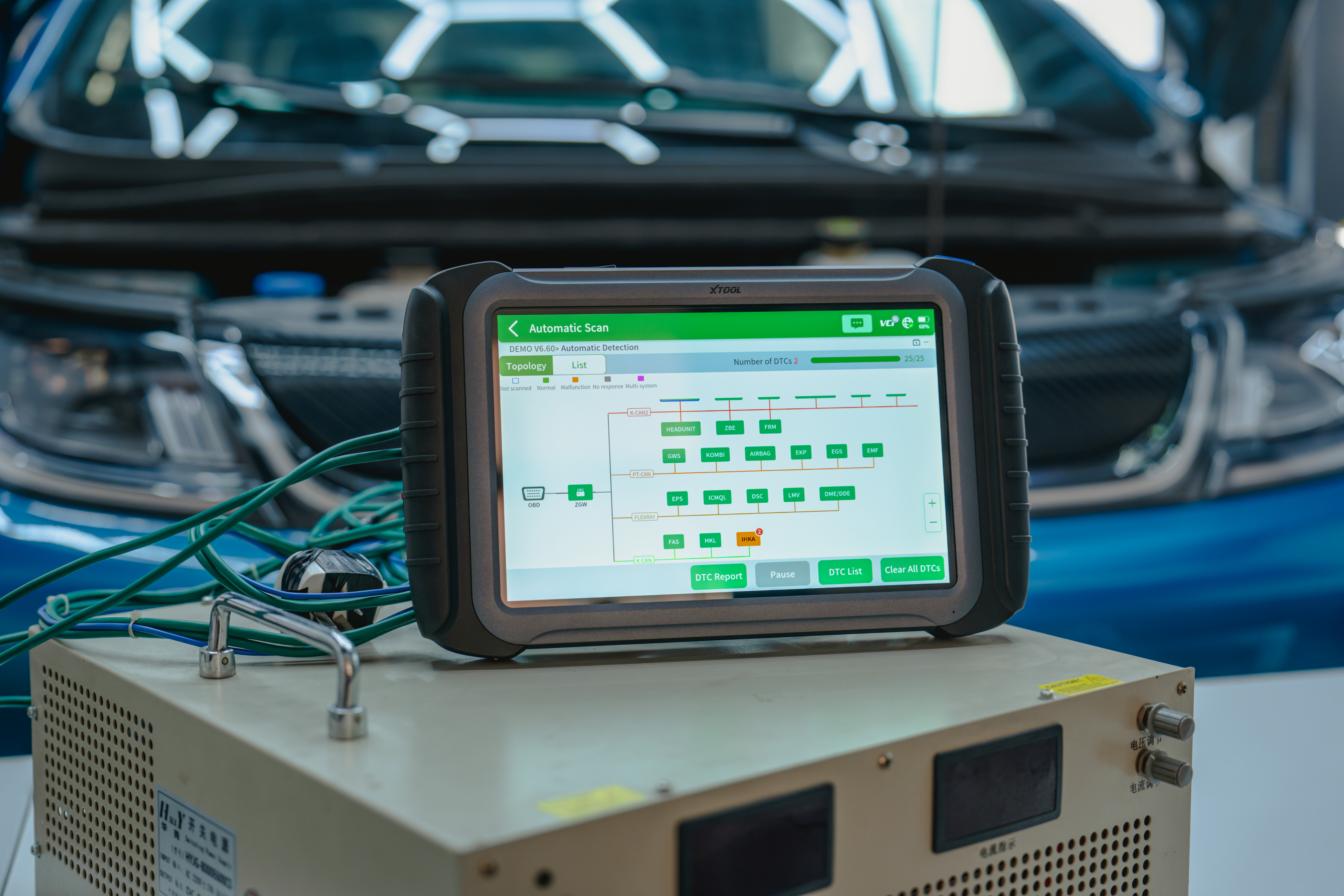
Today, technicians are not only reading codes. They may need to view live data, check topology maps, run bidirectional controls, perform special functions, generate PreSCAN and PostSCAN reports, and explain repair results to customers. What used to be a simple code-reading task has become a full diagnostic workflow.
That is why professional diagnostic tools are getting larger screens. A bigger screen is not just a hardware upgrade. It reflects a real change in how modern repair shops work
Modern Vehicles Need More Than Code Reading
Modern vehicles are becoming more electronic, connected, and software-driven. McKinsey noted in 2025 that vehicle software can reach up to 100 million lines of code, making software development a major priority for automakers. Porsche Engineering has also described modern vehicles as systems with roughly 70 to 100 ECUs controlling everything from fuel injection and braking to climate control and driver assistance.
For technicians, this means a fault is no longer always isolated to one component. A single warning light may involve several ECUs, communication networks, sensors, and control modules.
Modern diagnostics now requires technicians to understand:
Which system reported the fault;
Which ECU is involved;
How different modules are connected;
Whether the fault is mechanical, electrical, software-related, or communication-related;
What the vehicle looked like before and after service.
This is why topology mapping, live data comparison, bidirectional control, and diagnostic reports are becoming increasingly important.
The Small-Screen Problem Is an Efficiency Problem
Small-screen diagnostic tools still have a place. They are useful for entry-level users, quick checks, and basic maintenance tasks.
But in complex diagnostic scenarios, small screens can slow technicians down.
Common issues include:
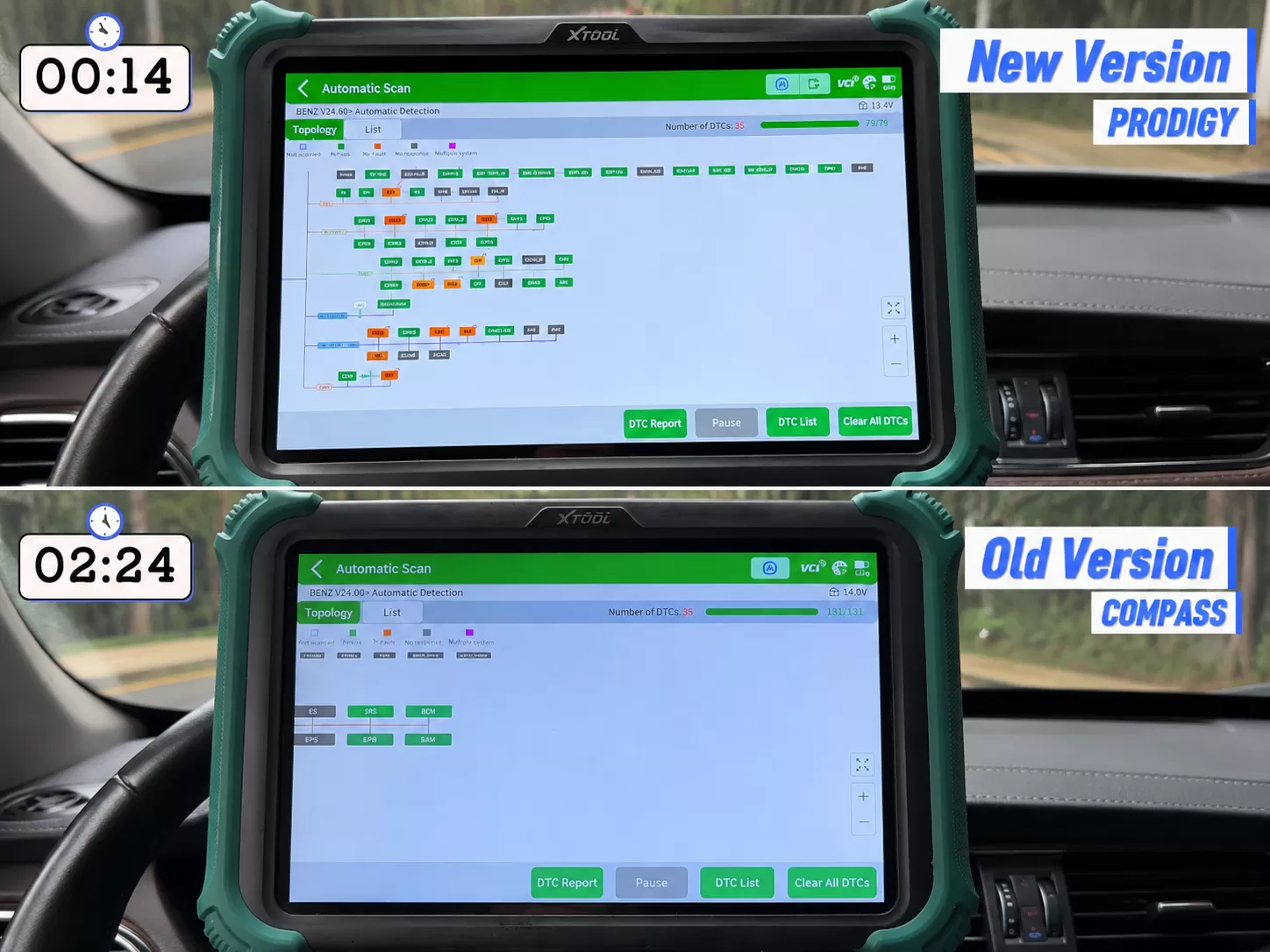
Topology maps are harder to read;
Data streams require more scrolling;
Multi-level menus take longer to navigate;
Reports are harder to preview;
Technicians need to zoom in and out more often;
The diagnostic flow becomes fragmented.
In a repair shop, these small delays matter. Every extra screen switch, scroll, or repeated zoom can break the technician’s workflow.
A larger screen helps technicians keep more information visible at once. It makes topology maps easier to understand, live data easier to compare, and reports easier to review. It also helps technicians explain vehicle conditions to customers more clearly.
So the value of a large-screen diagnostic tool is not simply visibility. It is workflow efficiency.
Why 13.3 Inches Makes Sense
If a larger screen is useful, why not make diagnostic tools even bigger?
Because repair shops are not office environments.
Technicians may need to stand beside the vehicle, sit inside the cabin, follow on-screen prompts, switch ignition states, shift gears, run active tests, or observe vehicle responses. A diagnostic tool needs enough screen space to display complex information, but it also needs to remain portable and practical.
That balance is important.
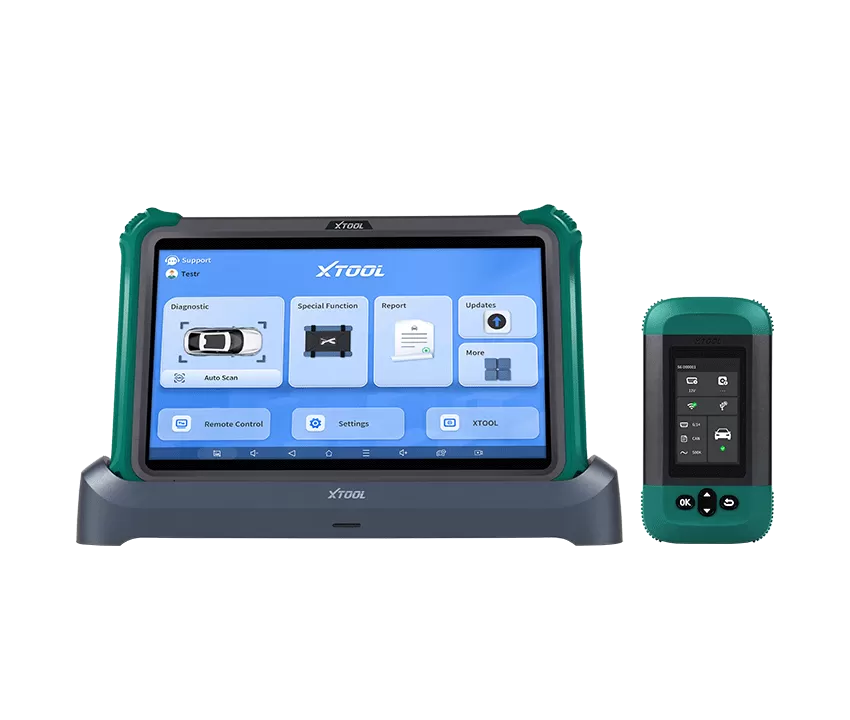
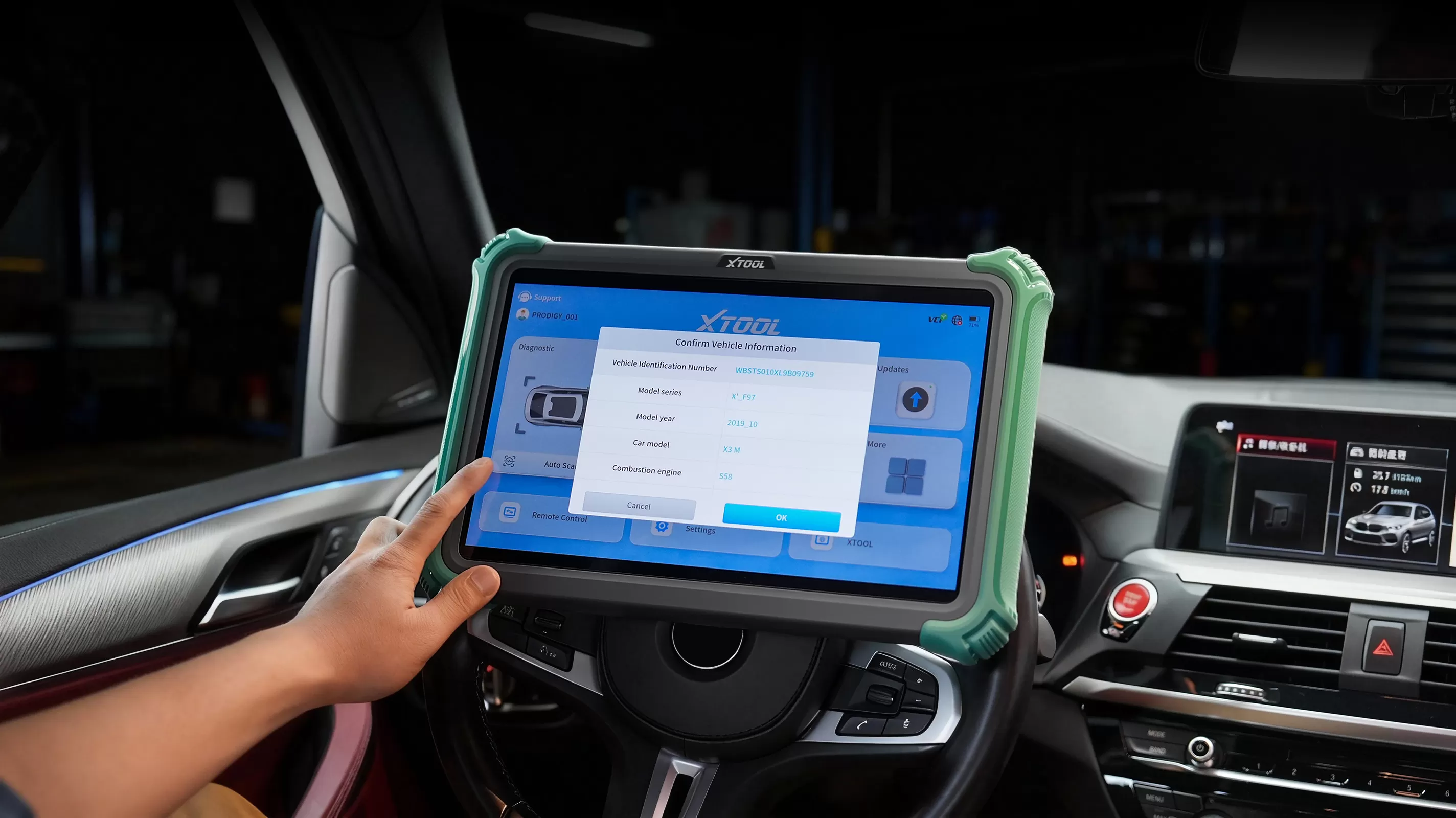
A 13.3-inch screen offers a viewing experience close to a laptop, while still keeping the mobility expected from a professional diagnostic tablet. It gives technicians more space to work with, without turning the tool into something too large for daily repair-shop use.
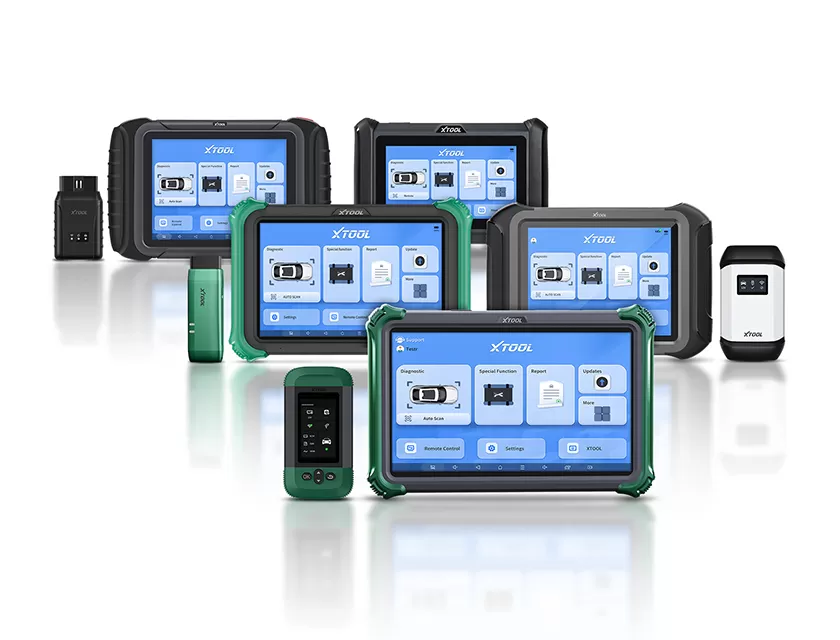
This is also why small-screen and large-screen diagnostic tools will continue to coexist. Small tools fit quick jobs and budget-sensitive users. Large-screen platforms fit advanced diagnostics, multi-brand service, and higher-volume repair environments.
How Prodigy Supports Modern Repair Workflows
XTool Prodigy is built for this new diagnostic environment.
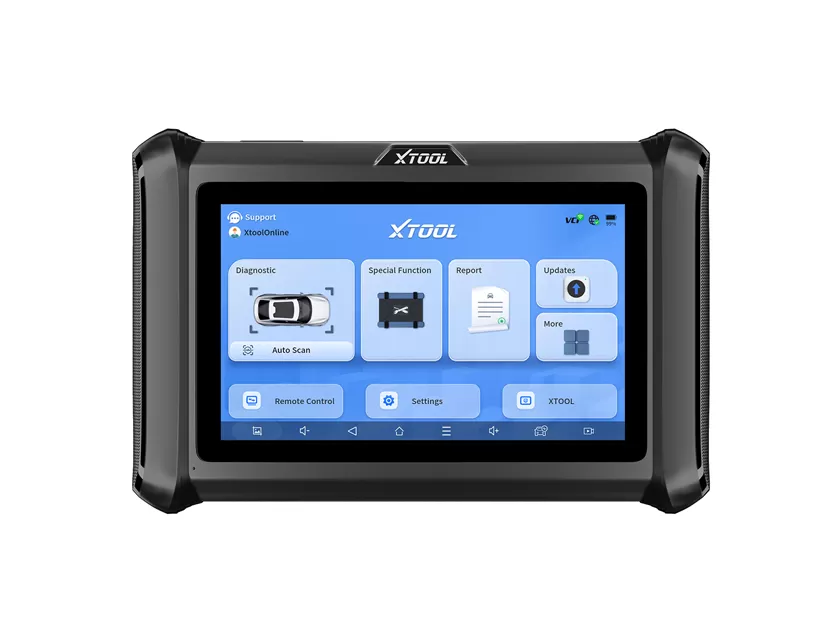
Its 13.3-inch HD touchscreen gives technicians more space to work with complex diagnostic information. Instead of squeezing topology maps, data streams, function menus, and reports into a small display, Prodigy allows more information to stay visible and easier to operate.
Prodigy also supports the needs of modern repair shops through:
Topology mapping;
Enhanced PreSCAN and PostSCAN reports;
Multi-system diagnostics;
Special functions;
DoIP and CAN FD protocol support;
J2534 compatibility for OEM-level programming;
Coverage for more than 70 brands and over 5,000 global vehicle models;
Dual Wi-Fi modules for smoother internet and VCI connections.
These features make Prodigy more than a large-screen scan tool. It is designed as a diagnostic platform for repair shops that need to handle complex vehicles, multiple systems, and more professional customer communication.
Modern repair shops no longer need only a tool that can read codes. They need a tool that can support the full diagnostic process: data, workflow, reports, communication, and decision-making.
Prodigy's large screen is the most visible part of that experience. But its real value lies in helping technicians work faster, see more clearly, and make better diagnostic decisions.