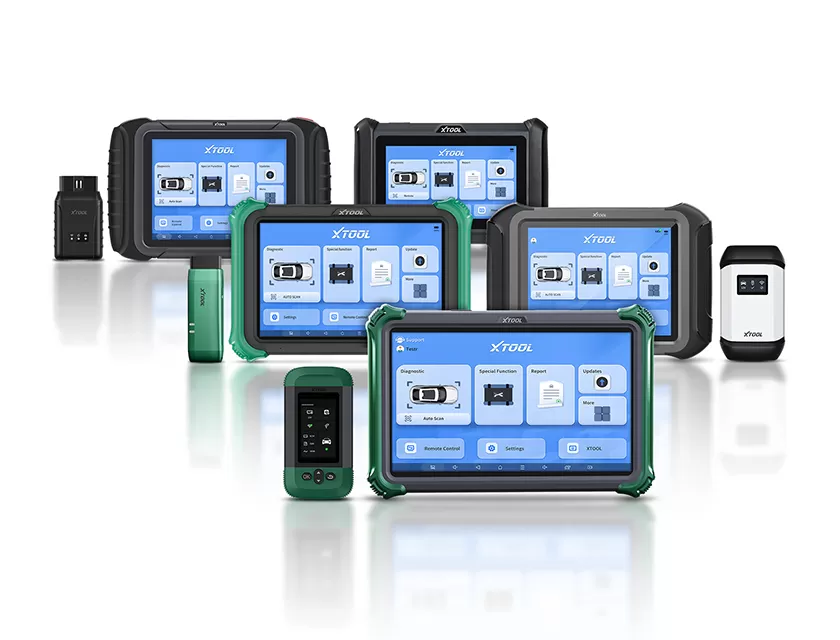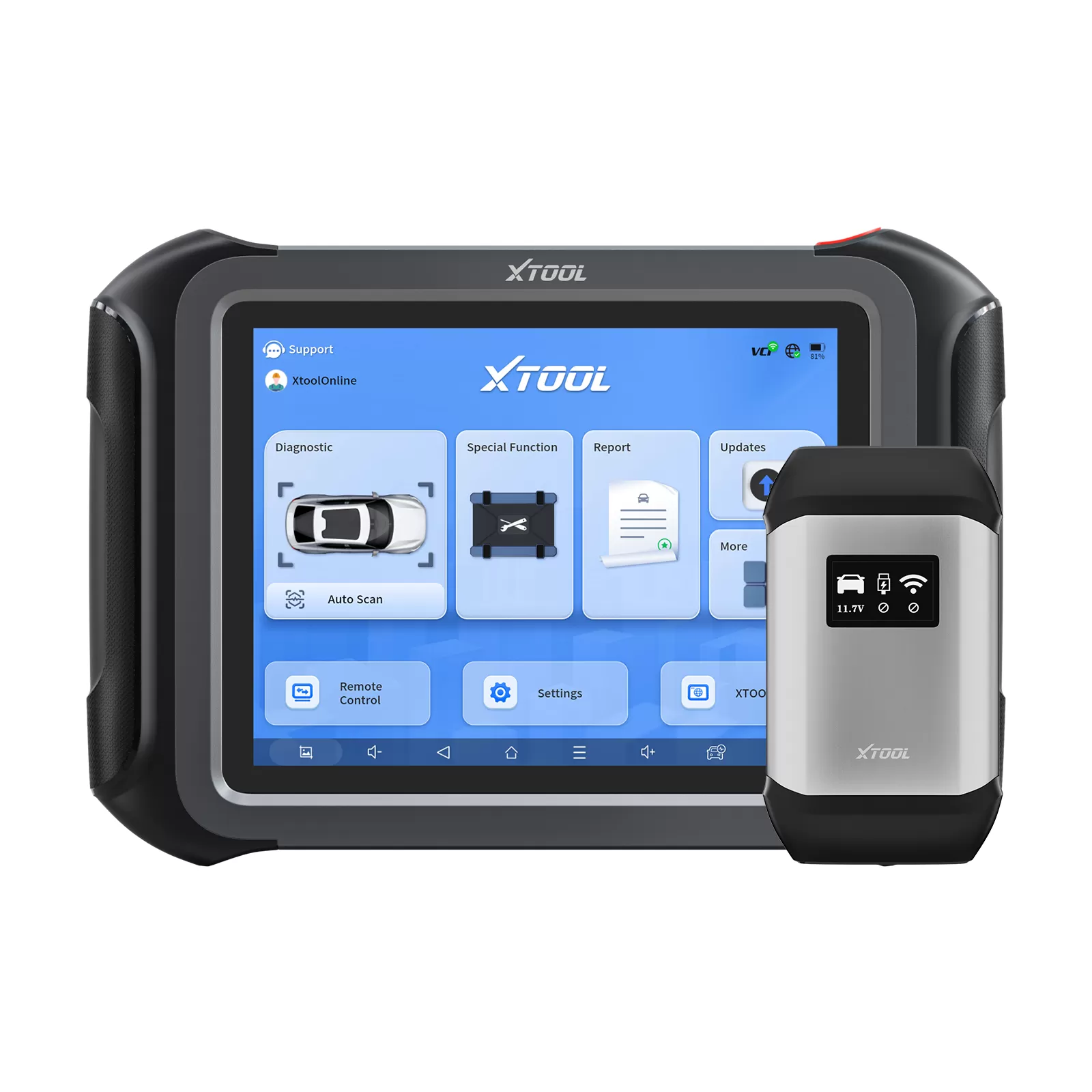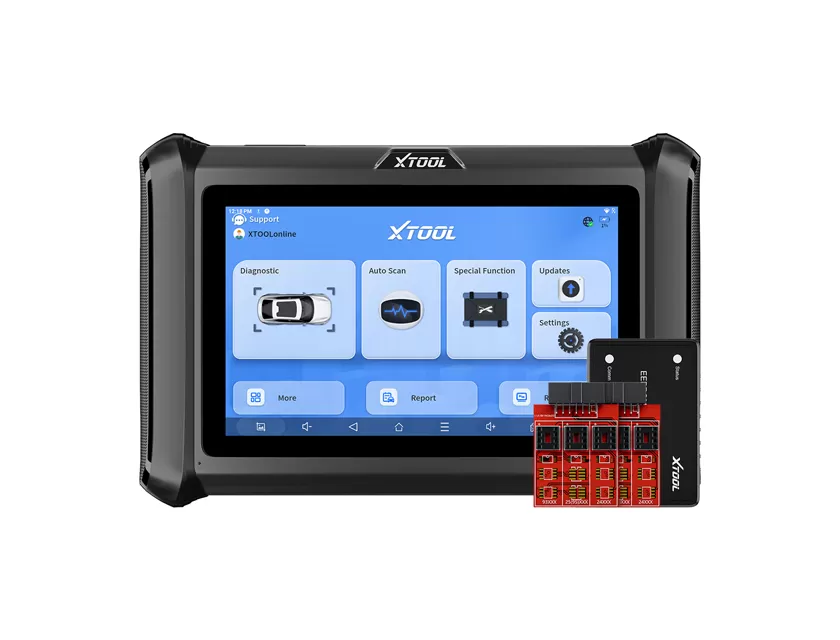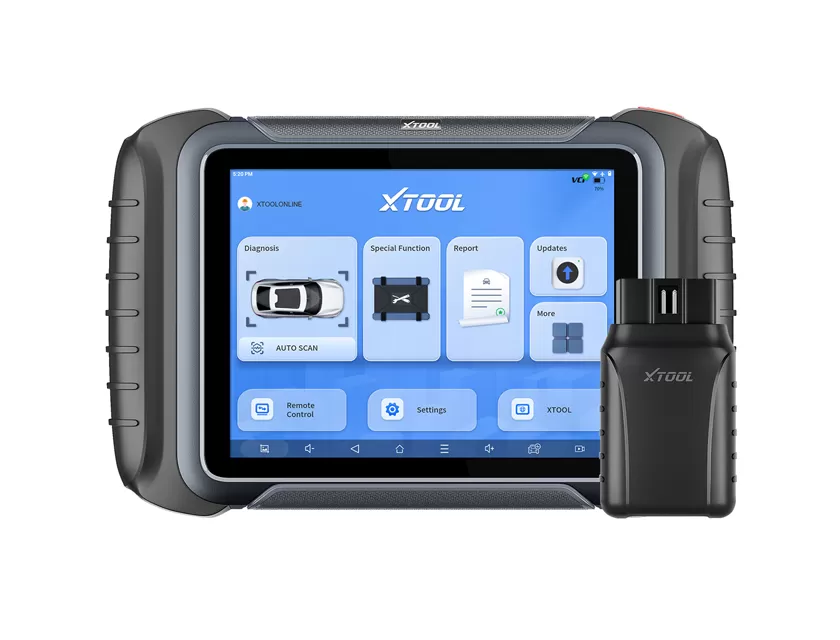
Modern vehicles are becoming increasingly complex. A car is no longer just a mechanical combination of engine, transmission, and chassis. It is now an electronic system made up of multiple ECUs, sensors, actuators, and communication networks. Bosch has noted that premium vehicles may feature more than 100 individual control units, while even compact vehicles may have 30 to 50 control units. Reference: Bosch Media Service
For repair shops, this creates a practical challenge. Full-system diagnosis now needs to cover more control modules, more communication paths, and more system status information. Traditional sequential scanning remains reliable, but for luxury vehicles, EVs, and commercial vehicles, it can significantly increase waiting time. The longer the initial inspection takes, the longer customers need to wait, and the more pressure technicians face during daily service operations.
Parallel ECU Scan is designed to improve the efficiency of full-system diagnosis. It is not simply about "reading all ECUs at the same time." Instead, it optimizes ECU communication task scheduling and scanning logic within the limits of the vehicle's communication protocol. This allows the diagnostic tool to retrieve information from multiple control modules more efficiently during a full-system scan.
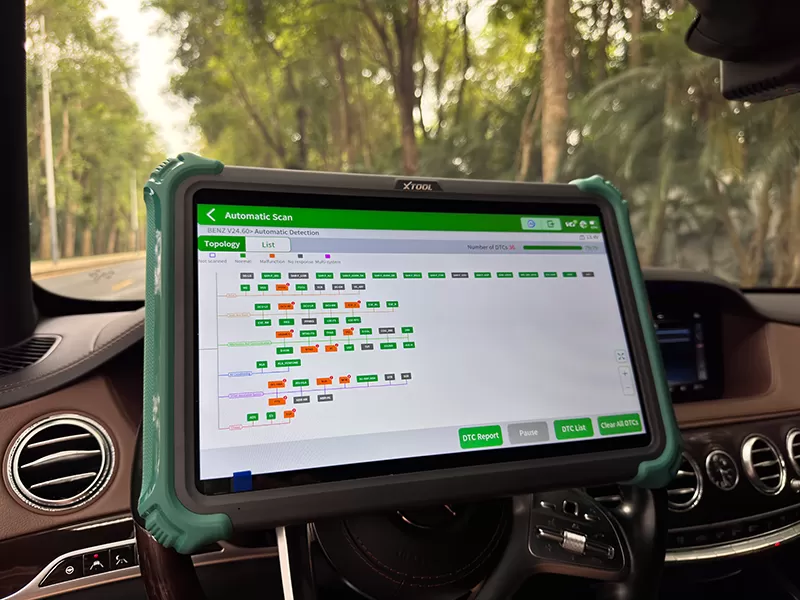
For technicians, the value is direct: faster scanning, shorter waiting time, and clearer system status presentation. Through Automatic Detection and Automatic Scan, the diagnostic tool can first identify vehicle information, then quickly enter the full-system scanning process. It reads fault codes, communication status, and diagnostic results across different vehicle systems, helping technicians understand the overall health condition of the vehicle more efficiently.
Take the diagnosis of a 2019 Mercedes-Benz Maybach S450 as an example. With the upgraded Parallel ECU Scan, the diagnostic tool can complete full-system scanning more efficiently and present fault codes and system status in a structured way. For complex vehicles, this reduces repetitive operations and lowers the risk of missed faults or incorrect judgment.
Behind this improvement is XTOOL's continued innovation in automotive diagnostic technology. As vehicles move from hardware-driven machines to software-defined systems, diagnostic tools must also evolve. The key question is no longer only whether a tool can read fault codes. It is whether the tool can present vehicle status faster, more clearly, and in a more structured way.
McKinsey, a global consulting firm, has also pointed out that the automotive software and electronics market is moving toward more complex software-defined vehicle architectures. As vehicle electronic systems become more advanced, diagnostic efficiency and data clarity will become increasingly important for workshops.
For repair shops, faster full-system diagnosis is not just about saving a few minutes. It means higher inspection efficiency, faster vehicle turnaround, clearer repair communication, and a more professional customer experience. When diagnostic time is reduced, technicians can identify repair directions faster, workshops can serve more vehicles, and customers can gain more confidence in the service process.
From faster ECU scanning to higher workshop productivity, Parallel ECU Scan is not just a technical upgrade. It is a practical solution for improving daily repair efficiency and supporting long-term workshop revenue growth.
Looking for a faster full-system diagnostic solution for your workshop?
Leave your information below and our team will contact you with the right XTOOL solution.