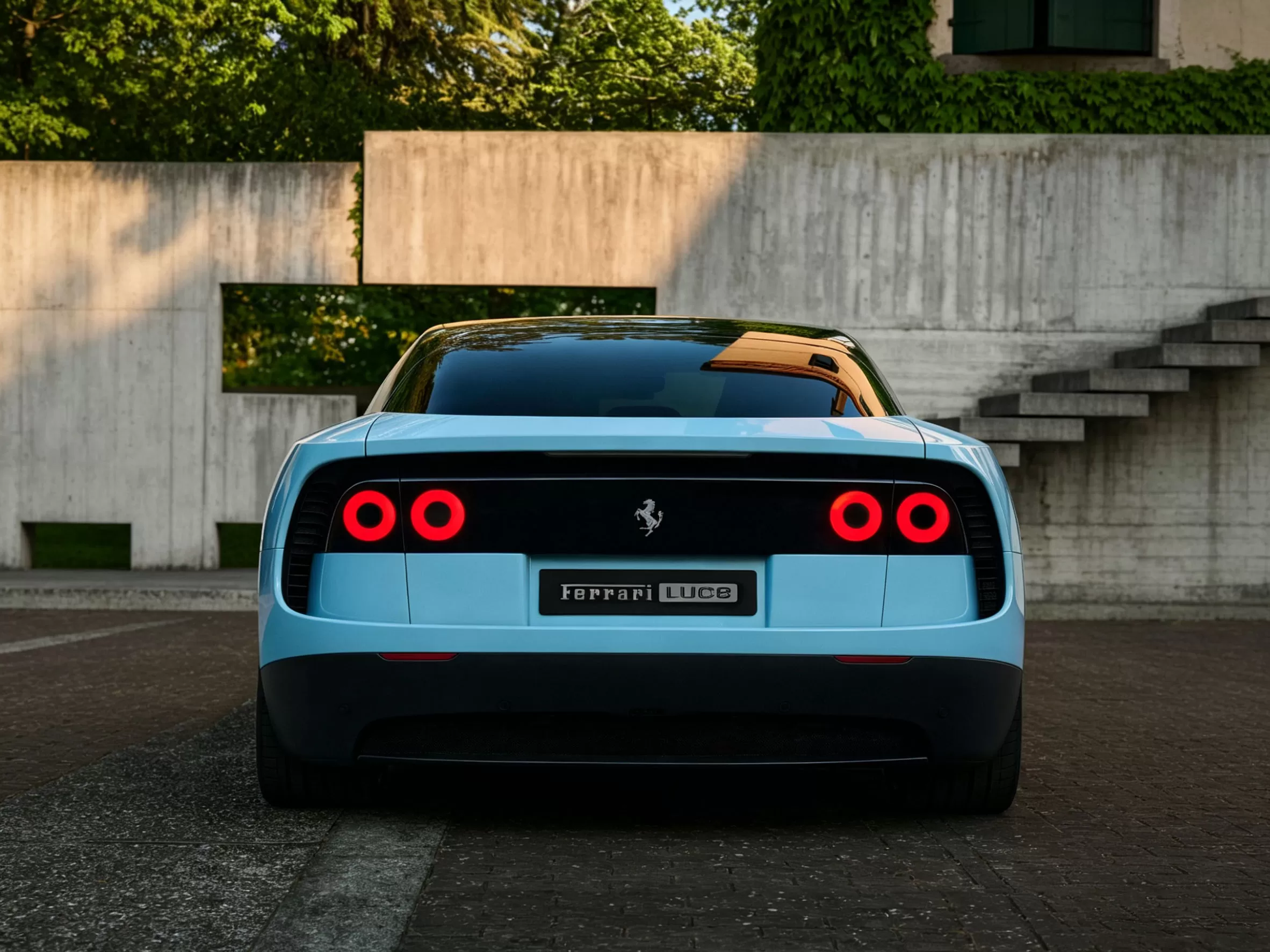
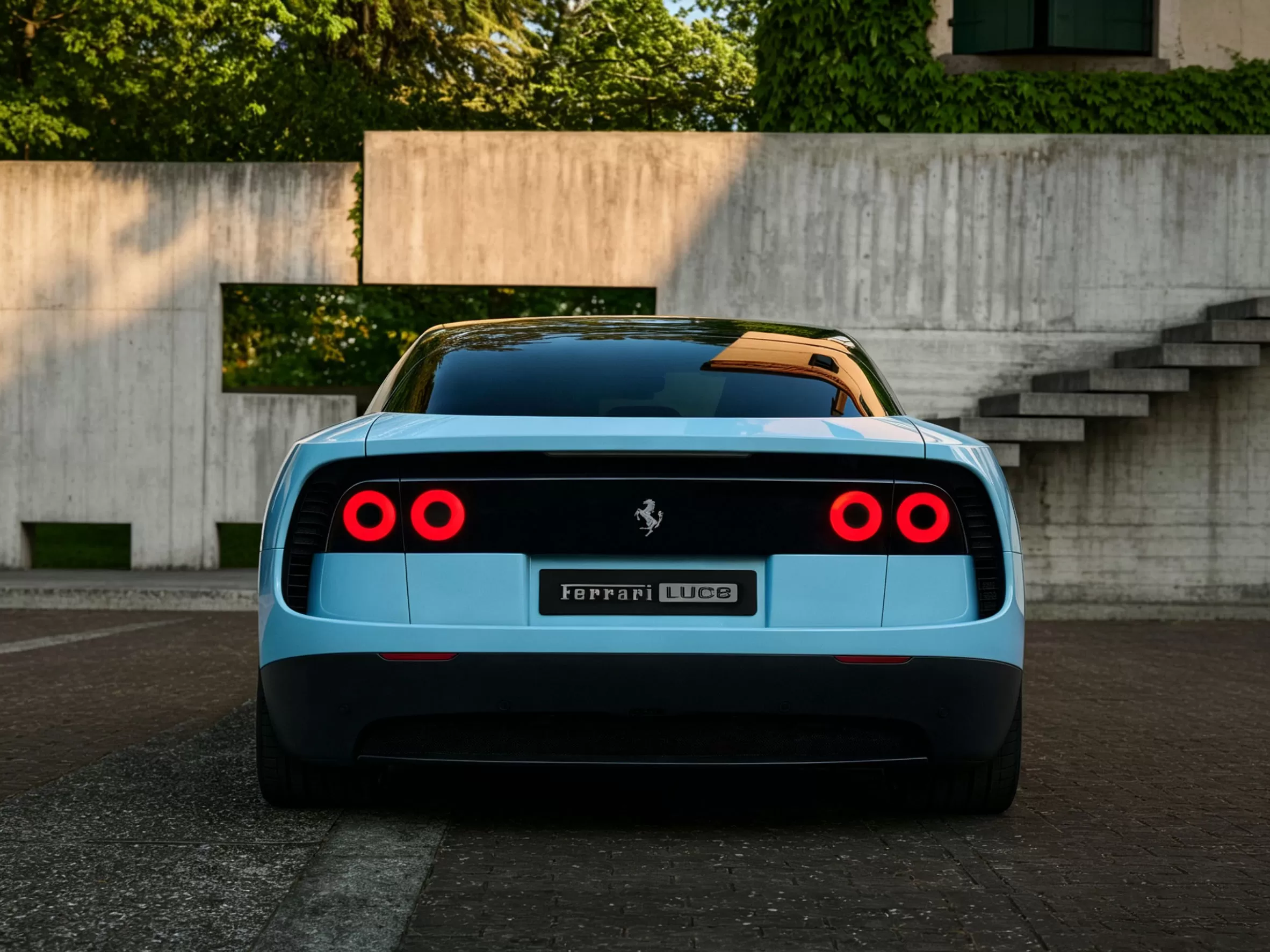
For decades, luxury sports cars were defined by roaring engines, mechanical precision, gear shifts, and the emotional connection between driver and machine. But today, the performance car industry is facing a new question: if even brands like Ferrari are entering the electric era, what will define "performance" in the future?
According to Ferrari's official long-term strategic plan, the Ferrari elettrica will become part of the brand's future product portfolio. Ferrari expects its 2030 line-up to consist of approximately 40% internal combustion engine models, 40% hybrid models, and 20% electric models. Reference: Ferrari Capital Markets Day / Strategic Plan.
This does not mean luxury sports car brands are simply giving up combustion engines. Instead, they are searching for a new balance between ICE, hybrid, and full-electric performance.
Electrification is not only about being more environmentally friendly. For high-performance vehicles, EV architecture brings natural advantages in instant torque delivery, acceleration response, four-wheel control, energy recovery, and thermal management. Traditional performance cars create driving emotion through engines, transmissions, and mechanical feedback. Electric performance cars can redefine that emotion through motor control, chassis algorithms, battery management, and software strategies.
In other words, when luxury sports car brands invest in EVs, they are not just following a sustainability trend. They are competing for the next generation of performance leadership.
Customer expectations are changing as well. In the past, many high-net-worth buyers focused heavily on engine displacement, exhaust sound, and brand heritage. Today, a new generation of luxury car buyers is also paying close attention to technology, intelligent features, design language, and a brand's ability to innovate. As a global management consulting and market research firm, McKinsey has long tracked trends in the global automotive and EV markets. Its research on EV consumer behavior notes that Chinese EV buyers place particular importance on driving performance, driver-assistance features, and advanced technology, while younger and urban customers tend to care more about in-car technology experiences. Reference: McKinsey EV Consumer Perspective .
This means luxury brands can no longer rely only on traditional mechanical symbols to maintain their appeal. They also need to prove to new customers that electrification can still be luxurious, emotional, intelligent, and performance-driven.
However, the electrification of luxury sports cars remains uncertain. Not every supercar brand is moving toward full EVs at the same pace. According to Reuters, Lamborghini has delayed the launch of its first EV to 2029, with its CEO stating that the sports car market is not yet ready for a fully electric model in 2025 or 2026. Reference: Reuters Report . This reflects a practical reality: acceptance of pure electric supercars will take time.
For these brands, electrification is not a single-path transition. It is more likely to be a long-term strategy across combustion engines, hybrid systems, and full-electric platforms.
For the automotive repair industry, the impact of this trend is more direct. As high-performance EVs enter the market, workshops will face repair scenarios that go far beyond traditional engine, transmission, and chassis service. Technicians will need to handle high-voltage battery safety inspection, BMS data reading, electric drive system diagnosis, thermal management system testing, insulation testing, charge-discharge maintenance, and off-vehicle validation of high-voltage components.
The more advanced the vehicle, the more integrated its systems become. This raises the requirements for diagnostic tools, repair procedures, and technician expertise. EV repair is no longer just about reading fault codes. It requires the ability to interpret data, evaluate high-voltage system status, verify repair results, and reduce safety risks throughout the service process.
That is why EV repair cannot rely on a single diagnostic device alone.
What workshops really need is a complete toolchain that covers diagnosis, testing, verification, repair, and maintenance across different EV service scenarios.
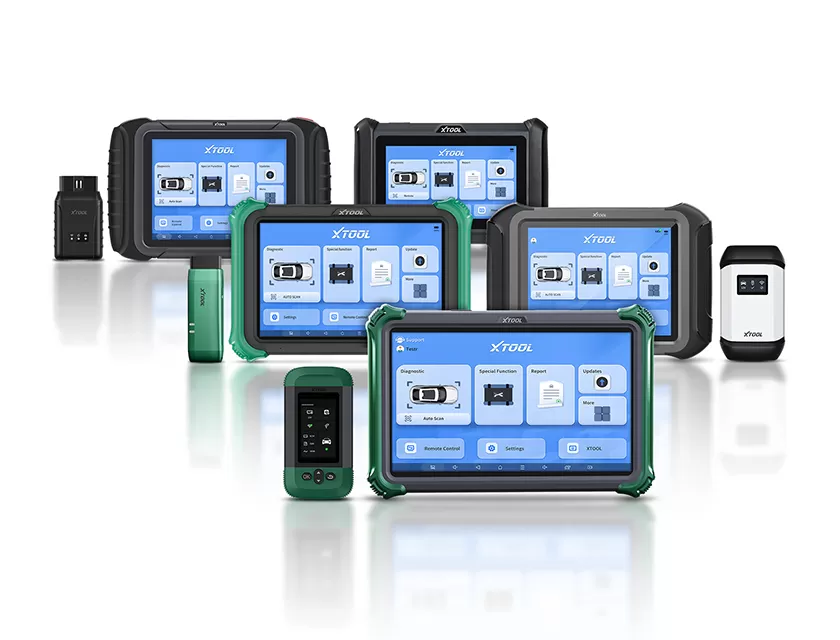
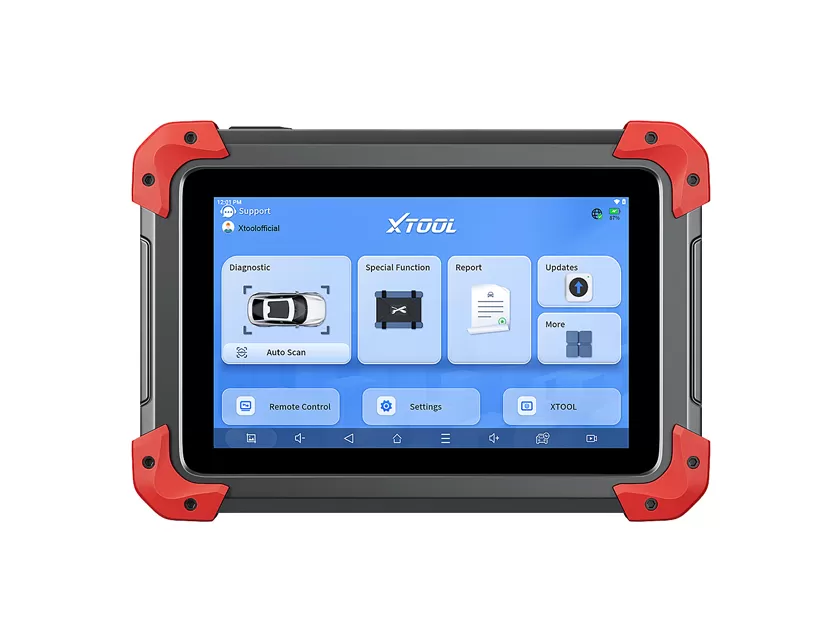
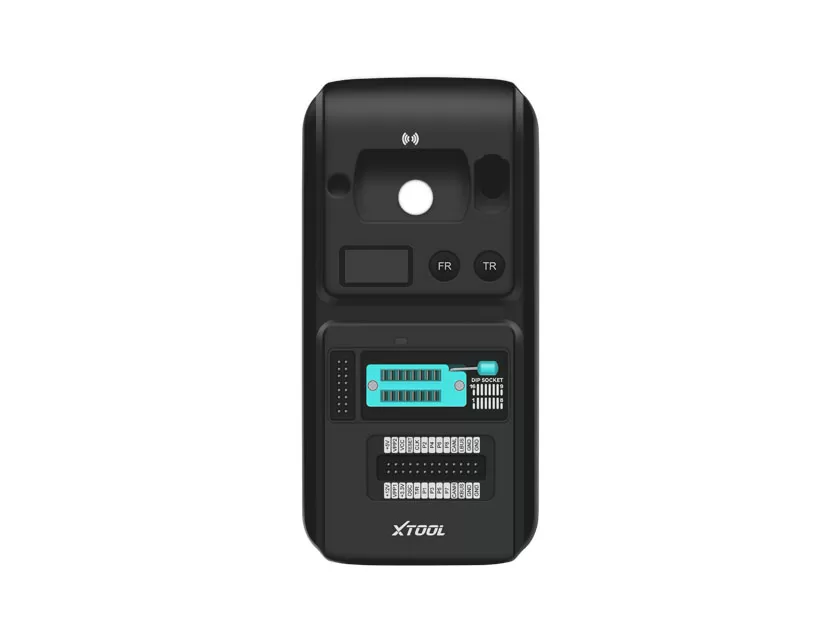
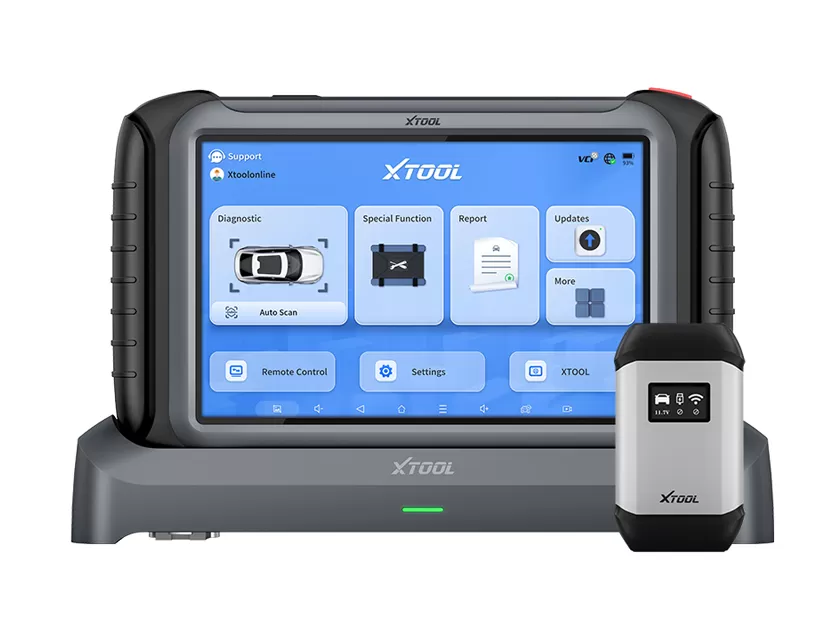
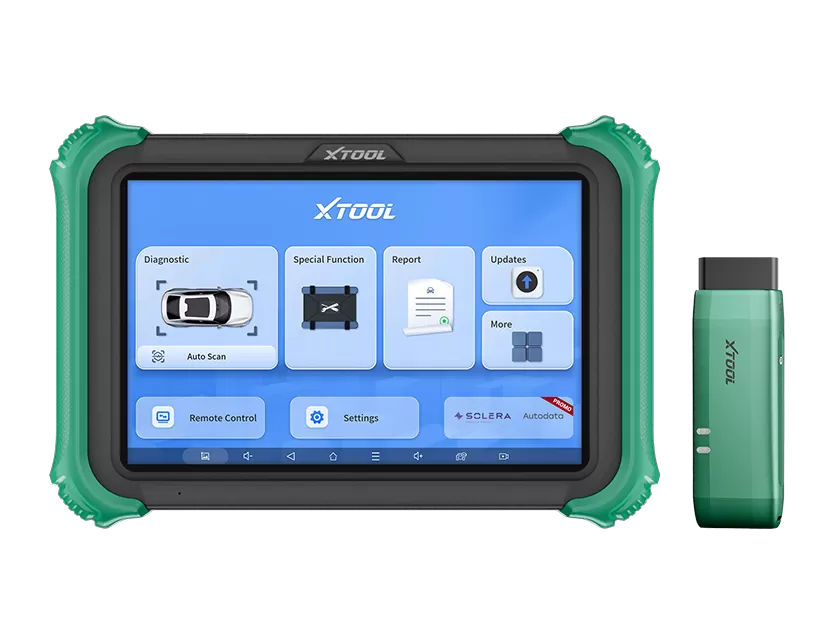
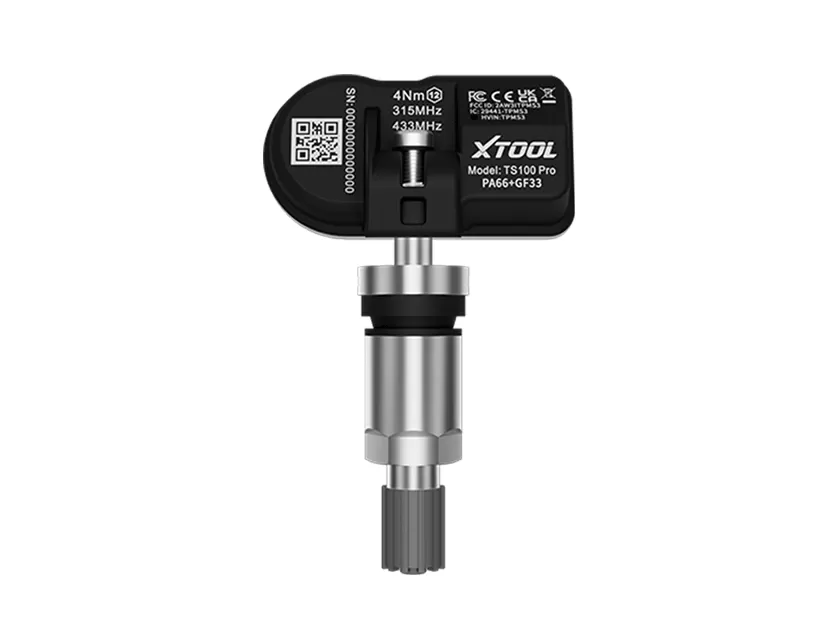
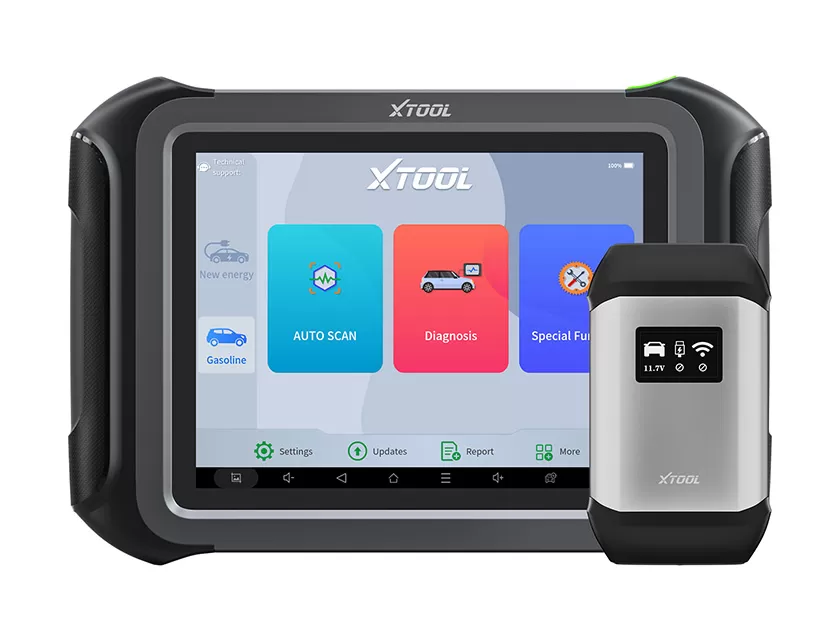
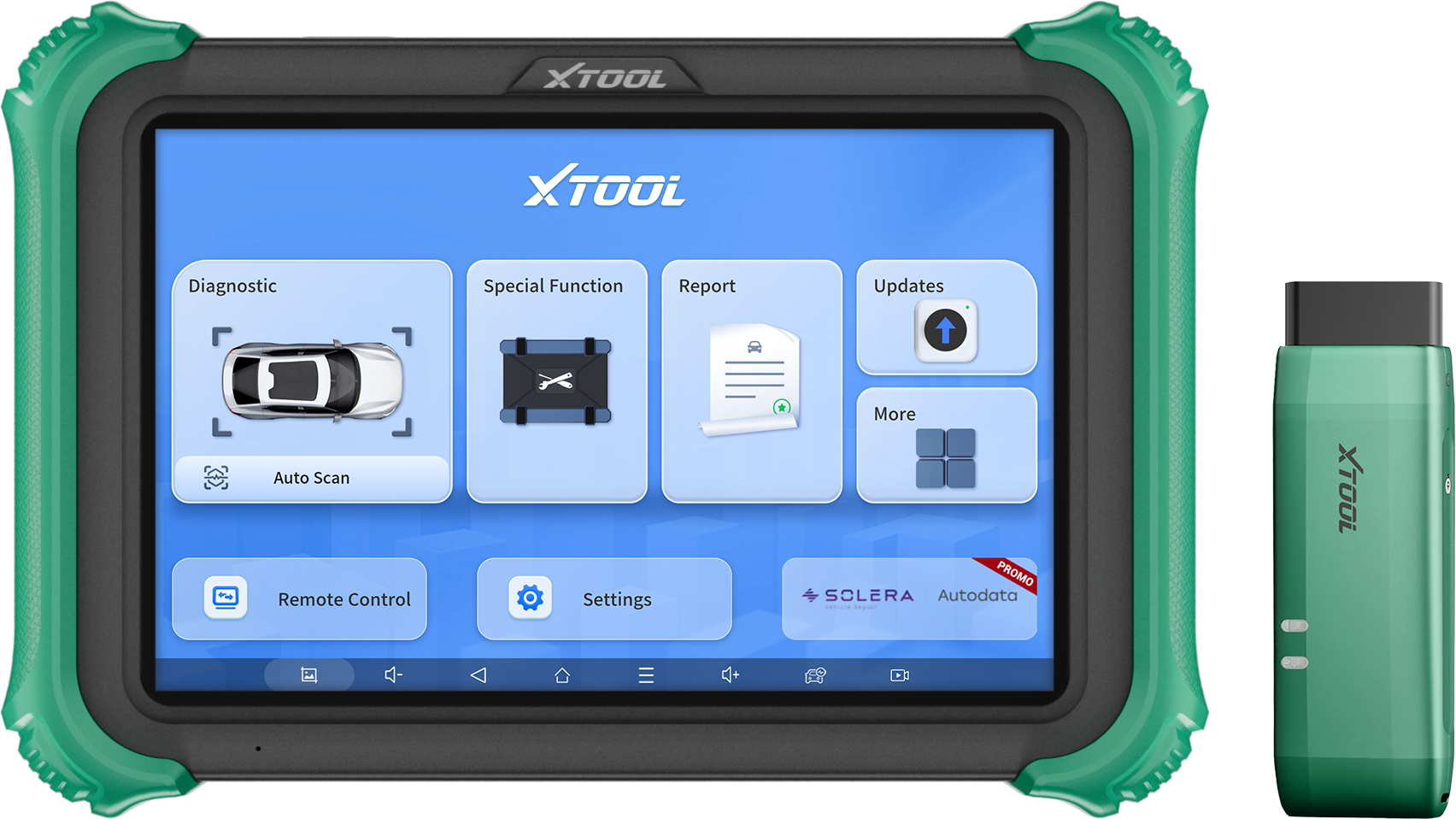
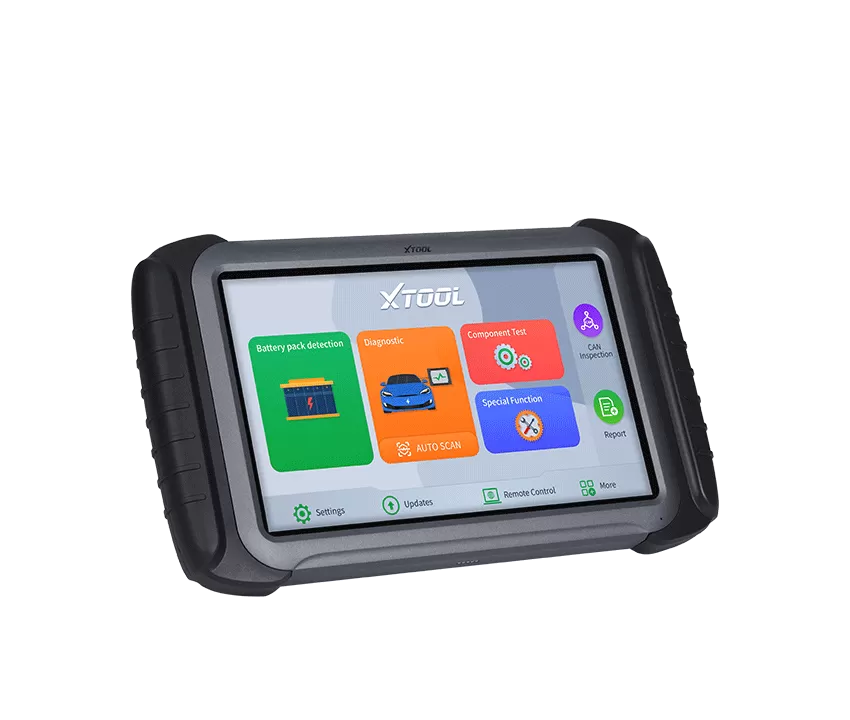
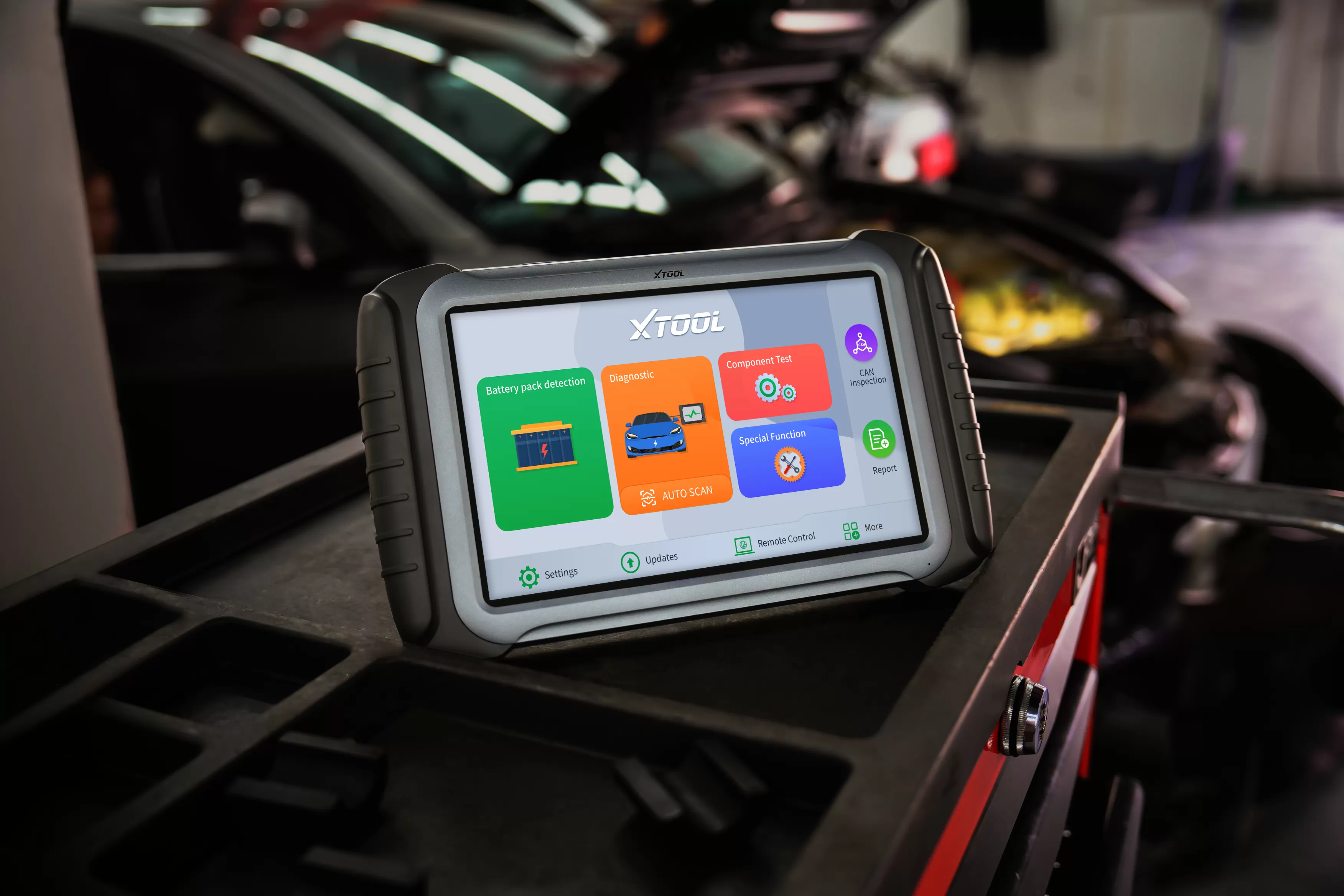
XTOOL has built a one-stop EV repair solution for modern workshops, covering a wide range of core service needs. From full-vehicle diagnostics and high-voltage battery testing to battery pack maintenance, module charge and discharge, balancing repair, and high-voltage component testing, XTOOL helps workshops respond to the growing complexity of EV repair.
As luxury sports car brands move into the electric era, the repair market will also be redefined. Future competition will not only depend on whether a workshop can repair vehicles. It will depend on whether technicians can understand vehicle data, evaluate high-voltage system conditions, verify repair quality, and deliver safer, more professional, and more efficient service to customers.
Fill out the form below to contact us and learn more about XTOOL's one-stop EV diagnostic solution.