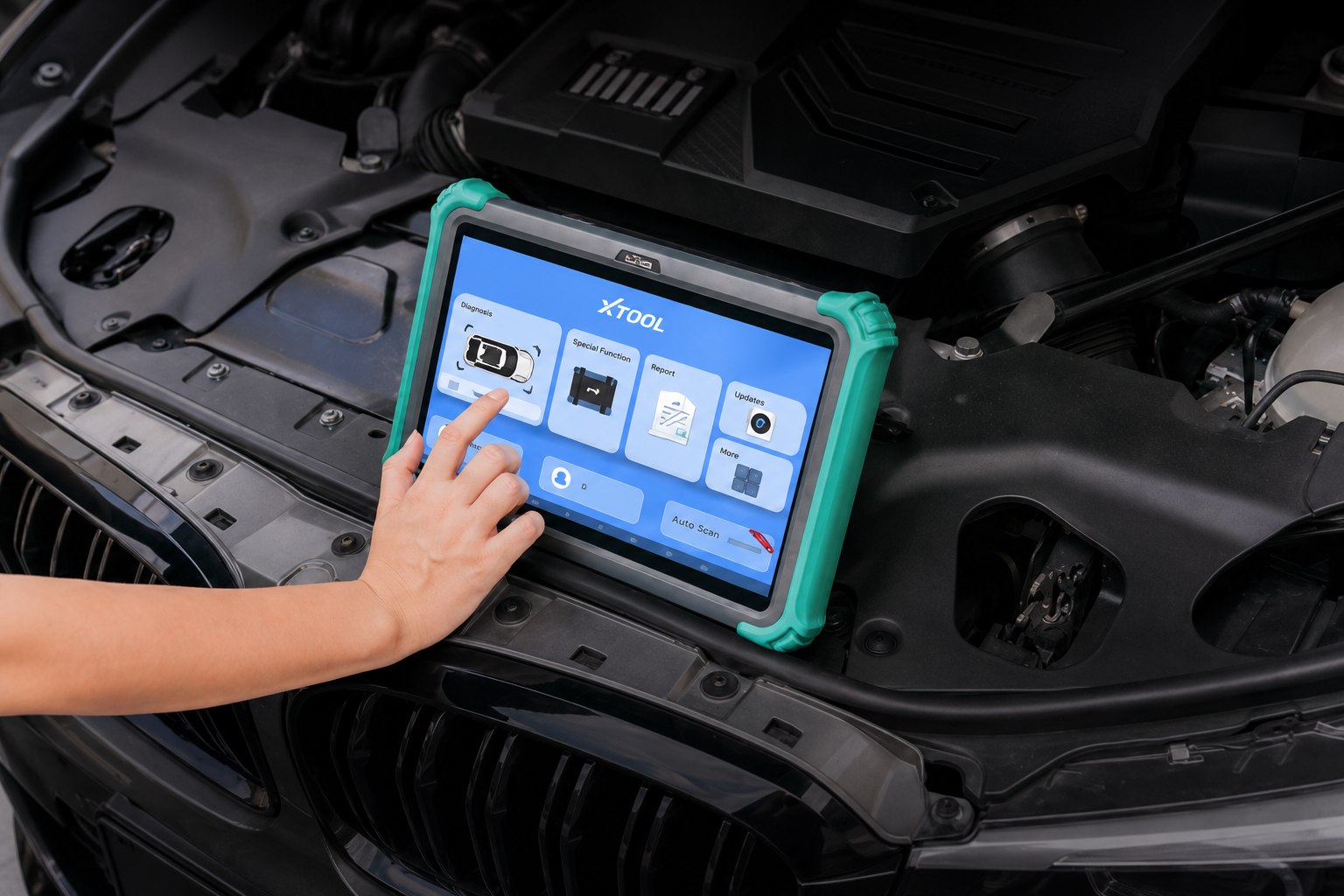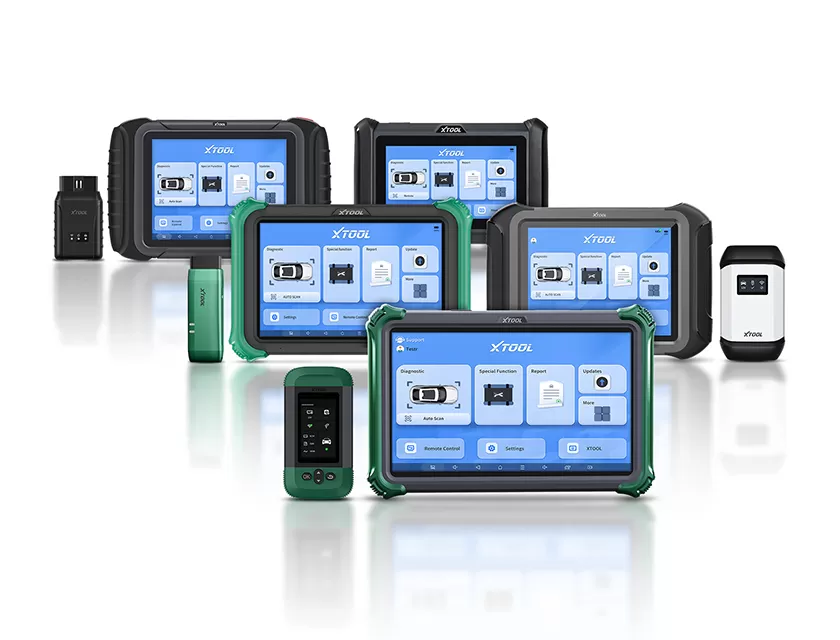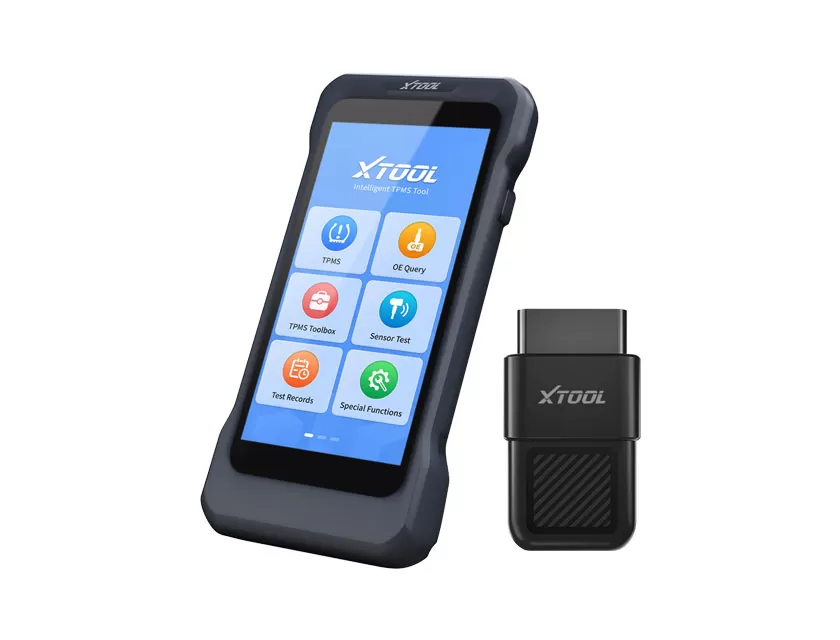
As EV adoption continues to accelerate, the automotive aftermarket is shifting from traditional mechanical repair toward high-voltage diagnostics, battery condition assessment, and data-driven maintenance. For repair businesses, EV service is no longer limited to reading fault codes. Technicians now need to evaluate battery packs, analyze live data, test key high-voltage components, and perform battery maintenance with greater accuracy and efficiency. To support this transition, XTOOL introduces an integrated EV diagnostic and battery service solution for passenger vehicles, combining diagnostics, battery testing, charge-discharge balancing, and service workflow support into a more complete professional equipment matrix.
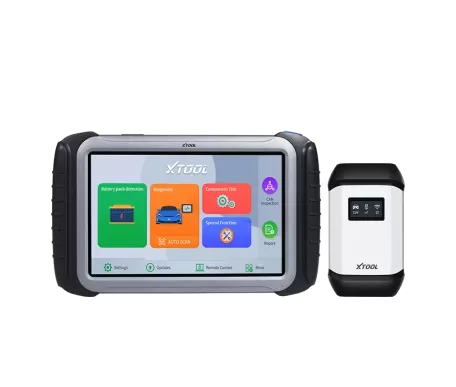
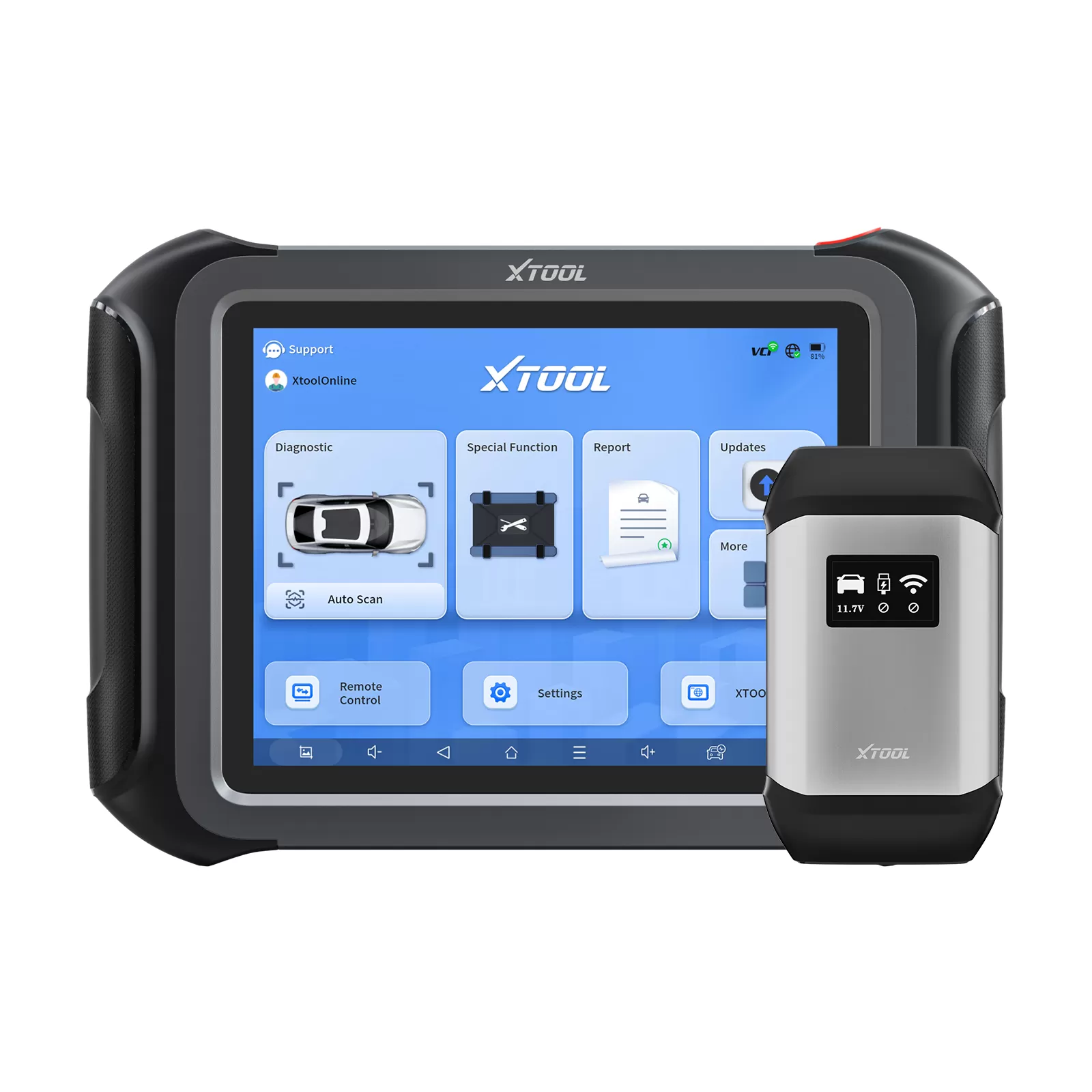
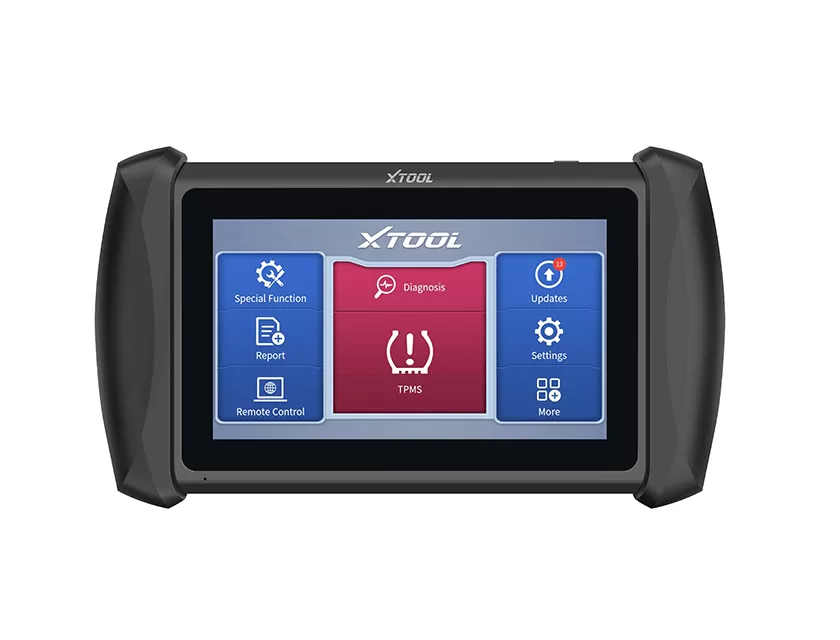
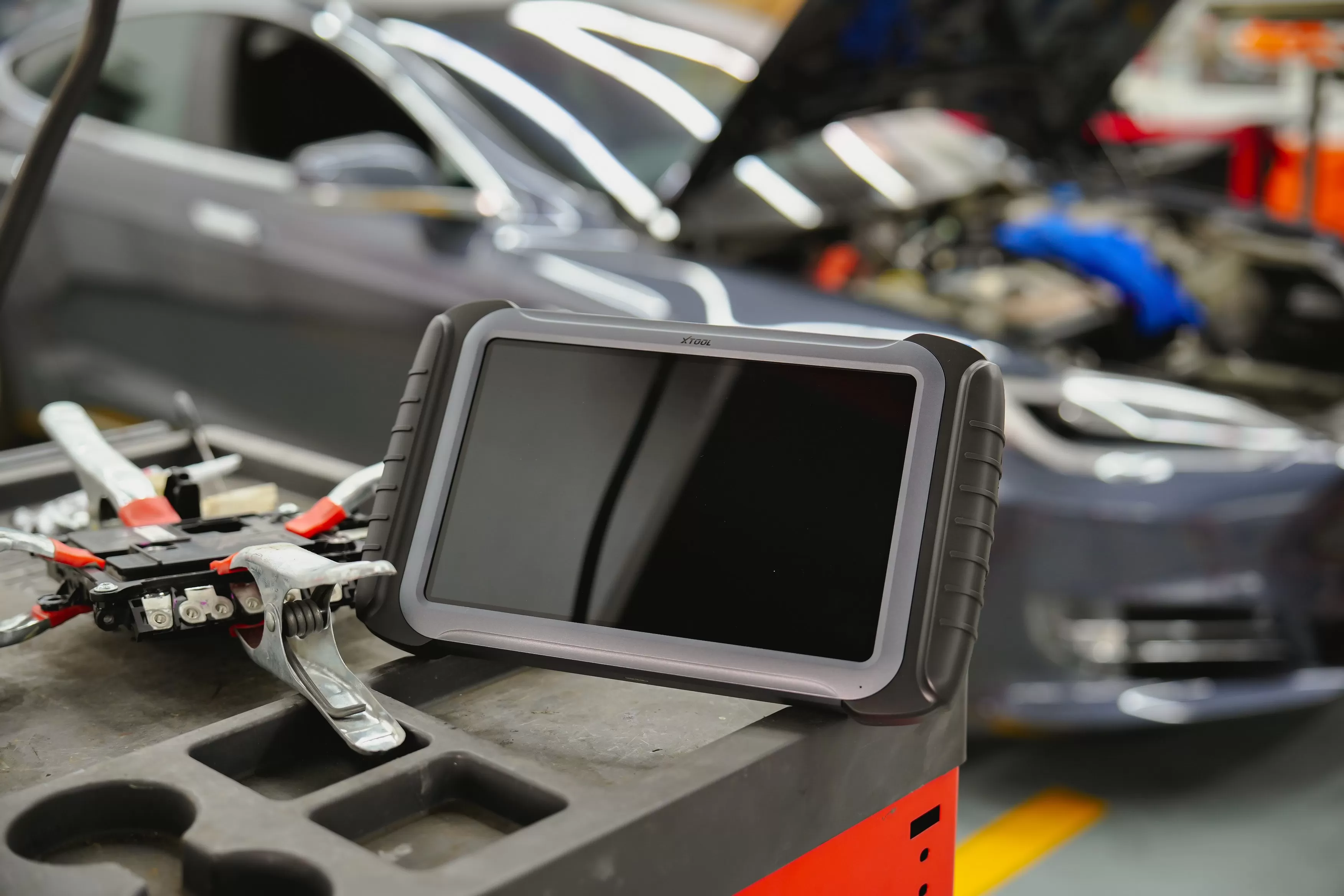
· E2S EV Diagnostic Tools:E2S is one of XTOOL’s key EV diagnostic platforms, supporting advanced vehicle protocols including CAN FD, DoIP. While providing full-system diagnostics for more than 95% of EV models. It supports off-vehicle testing for key high-voltage components, battery pack diagnostics for over 4,000 models, and access to more than 1,600 high-definition OEM wiring diagrams. E2S can read battery pack SOC/SOH, cell voltage, temperature sensor data, fault codes, and live data streams, while also supporting dynamic battery pack analysis without disassembly. To better meet real workshop needs, it also enables off-vehicle drive testing for DC-DC converters, OBC units, and compressors, helping technicians perform component testing even when the vehicle is unavailable. In addition, E2S supports full-system diagnostics for major EV brands, along with common service functions such as immobilizer matching, EPB, throttle adaptation, service light reset, and ECU reset, providing a practical one-stop solution for EV diagnostics.
 ·
·
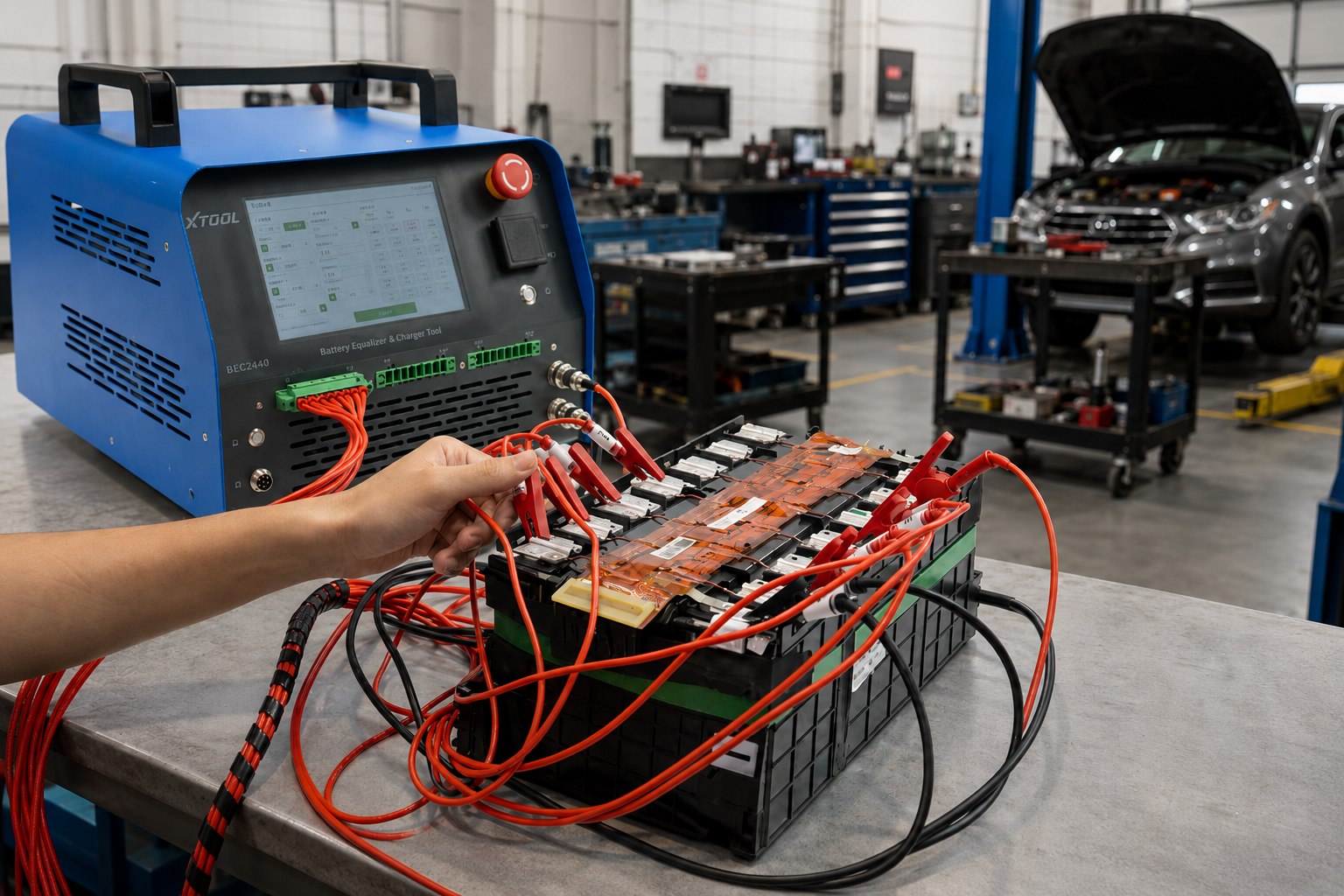
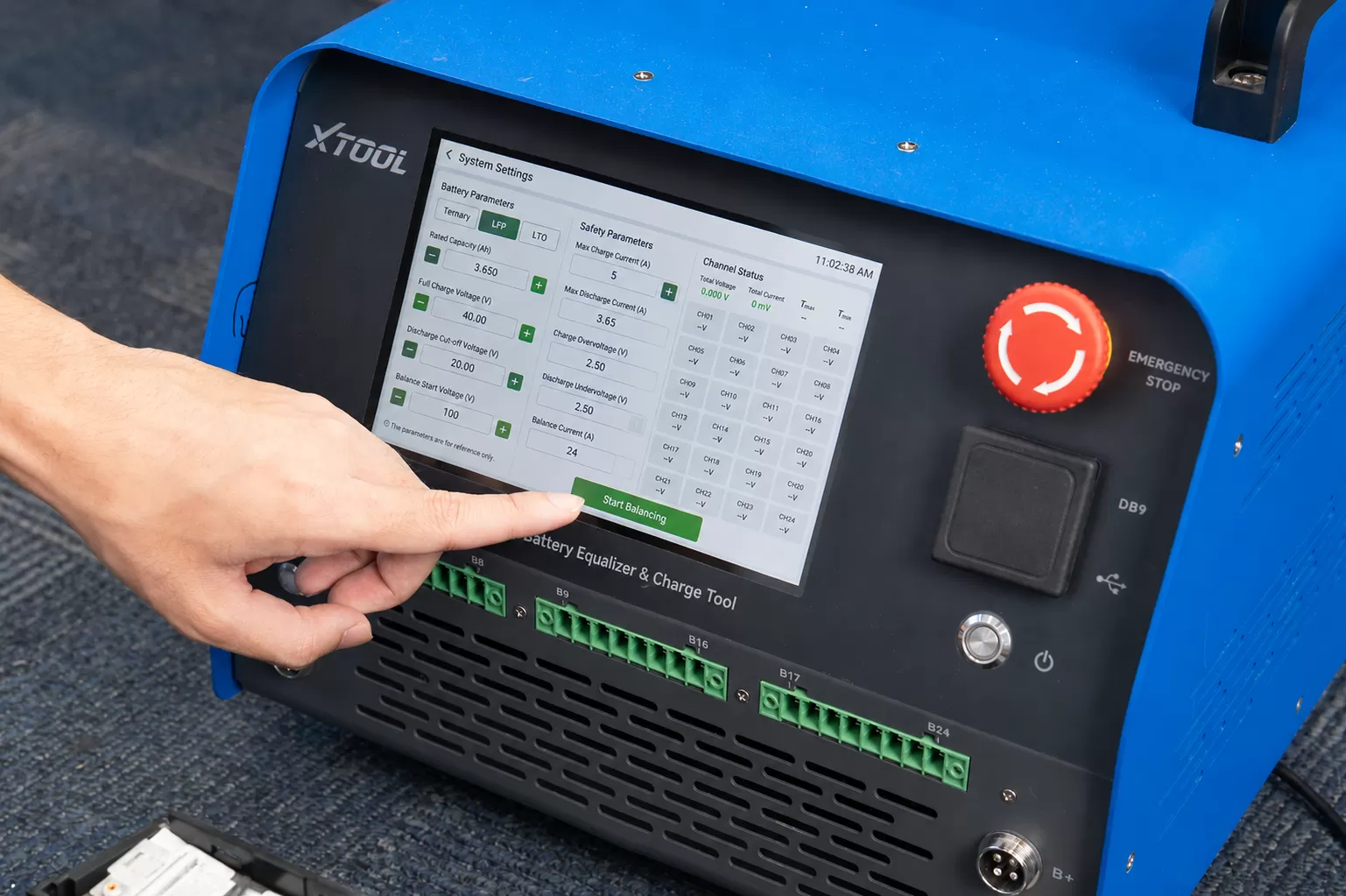
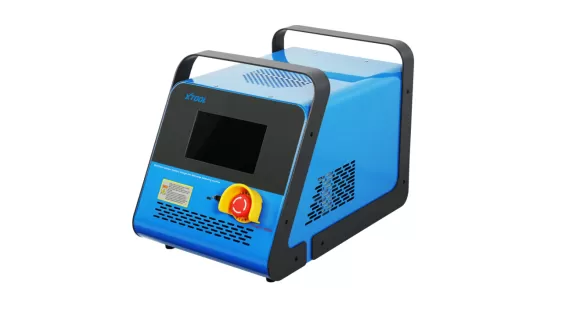
BEC2415 Equalizer:For battery maintenance, the BEC2415 Lithium Battery Charge-Discharge Balancer supports up to 20A charge and discharge balancing. It is designed for lithium battery consistency maintenance, with voltage sampling accuracy of ±1mV and internal resistance testing accuracy of 0.5%. The device also includes multiple protection functions, including undervoltage, overvoltage, and overcurrent protection, helping technicians perform battery balancing more safely and efficiently.
·
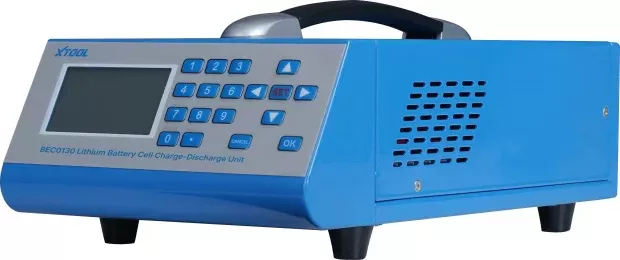
The BEC0130 Lithium Battery Cell Charge-Discharge Unit is designed for large-capacity lithium battery cells. It supports fast charging and discharging for individual cells, with both charging and discharging current reaching up to 30A. With ±5mV voltage sampling accuracy and intelligent balancing functions, BEC0130 helps technicians address common issues such as excessive cell voltage differences and capacity degradation more efficiently.
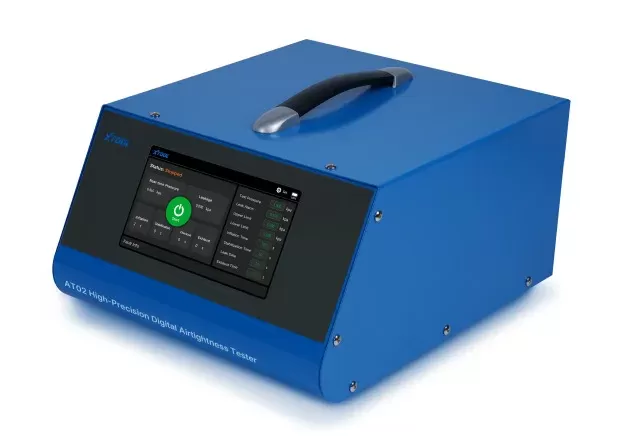
·For post-repair safety inspection, the AT02 Digital Airtightness Tester uses high-sensitivity digital pressure sensing technology with a resolution of 1Pa and a maximum range of 30kPa. By testing the airtightness of battery pack enclosures, AT02 helps technicians quickly evaluate sealing performance after battery pack repair. Its built-in lithium battery and air pump also allow flexible mobile testing without the need for an external air source.
As an established brand in automotive diagnostics, XTOOL began investing in EV diagnostic technology as early as 2019, when EV adoption was still at an early stage. With R&D personnel accounting for more than 60% of its team and over 360 patents and software copyrights accumulated, XTOOL continues to strengthen its technical foundation for the evolving EV aftermarket. The core value of XTOOL’s integrated EV passenger vehicle service solution lies in connecting the full service workflow. Repair businesses no longer need to piece together separate tools from different brands; instead, one integrated solution can cover key service scenarios for EV battery, motor, and power electronics maintenance. In addition, XTOOL provides professional technical training, 24/7 remote assistance, and access to over 1,600 high-definition OEM wiring diagrams, helping technicians quickly build EV service expertise, improve repair efficiency, reduce operating costs, and support the continued growth of the EV aftermarket.