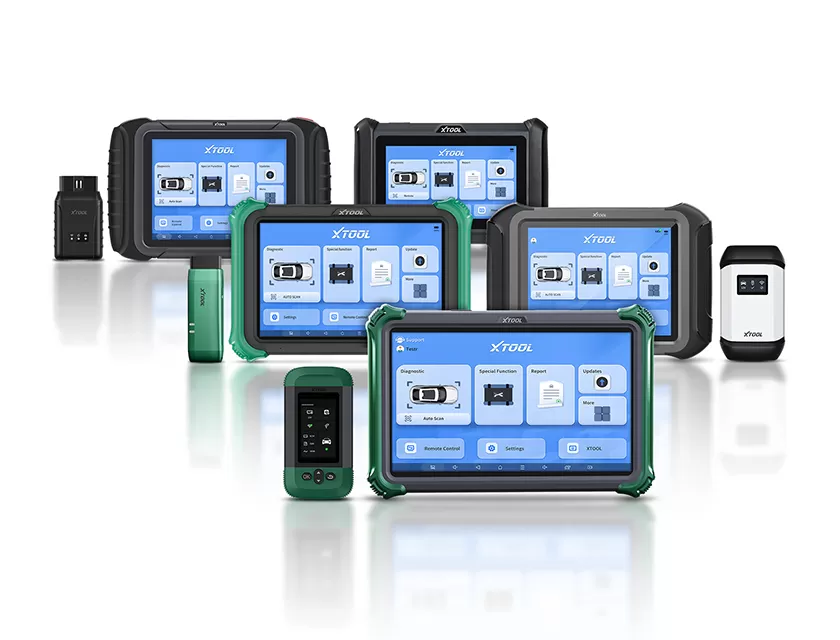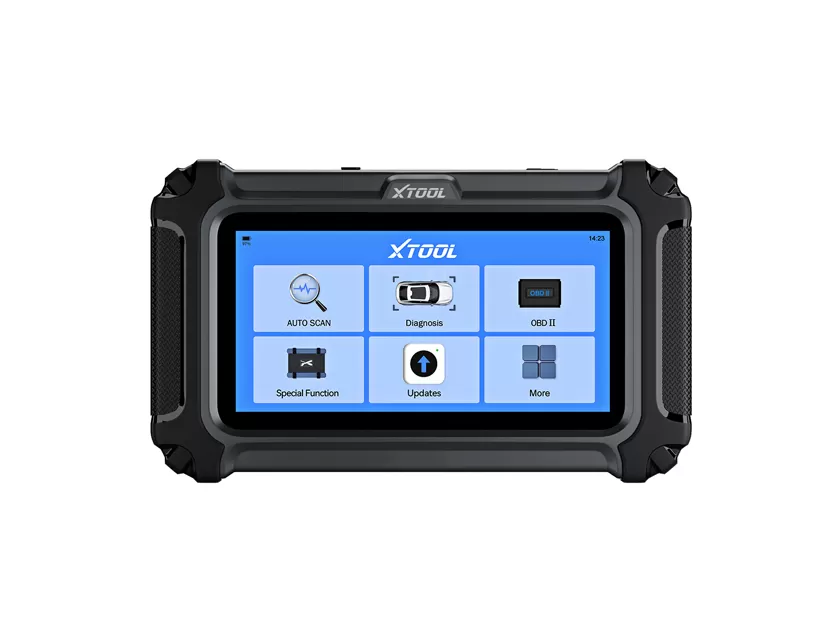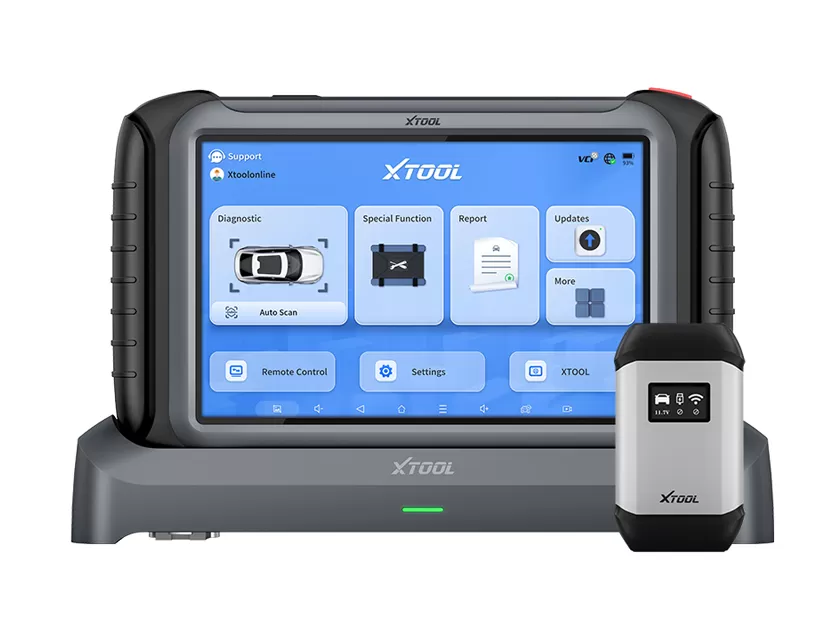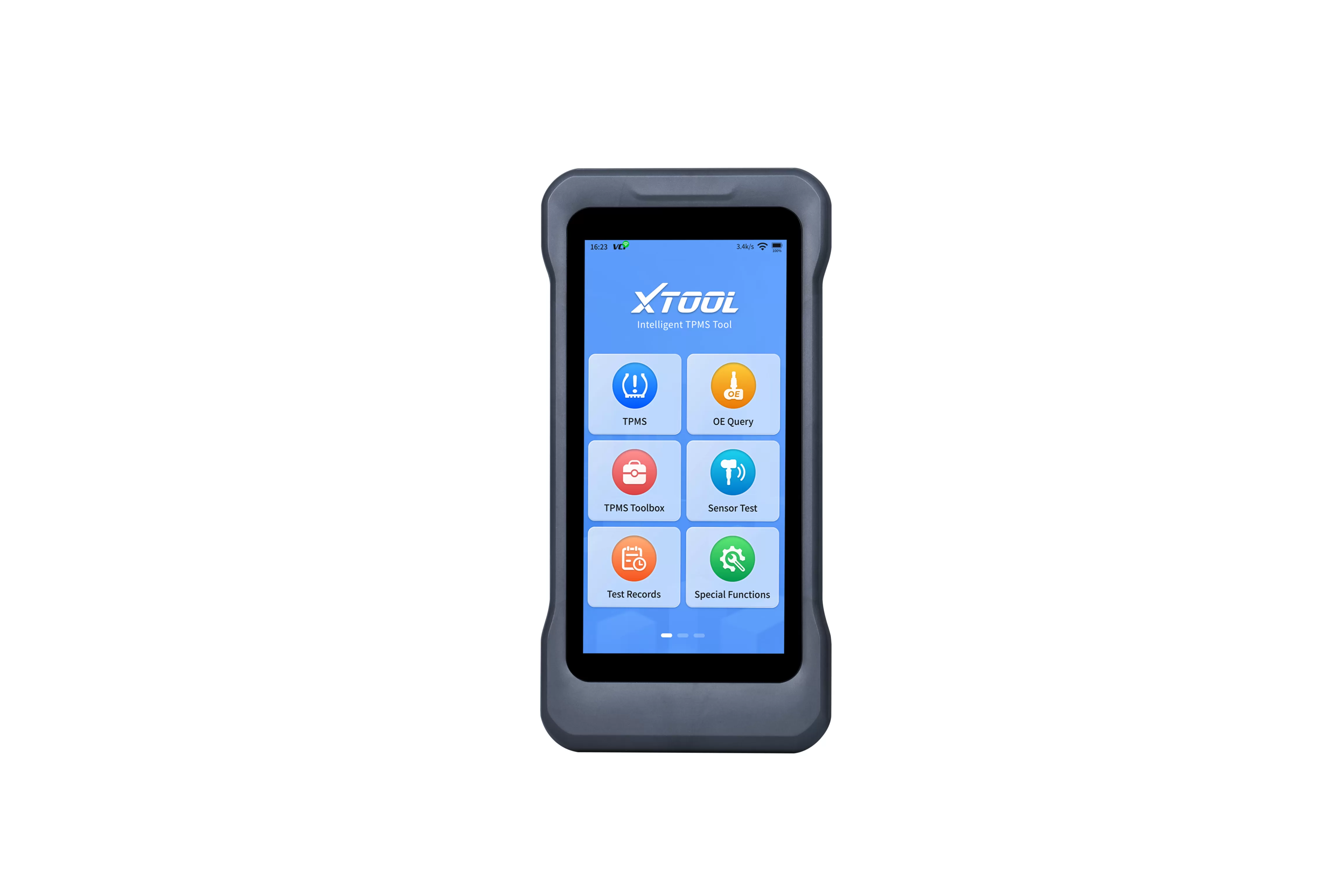
Modern vehicles rely on more electronic control units, more software-driven functions, and more advanced safety technology than ever before. By 2026, the “right” OBD2 scanner is no longer just something that reads and clears codes. It functions more like a diagnostic platform that helps you pinpoint root causes faster, confirm repairs with real data, and complete common service procedures with less trial and error. As vehicles become more complex, the diagnostic scan tool market continues to expand and more tools appear at different price points and feature levels. With so many choices, the most practical way to decide is to prioritize features that improve real-world workflow and accuracy rather than choosing based on the longest specification list.
If you only skim one section, use this checklist:
Full OBD2 mode support (codes, live data, freeze frame, readiness, I/M)
Full-system diagnostics (ABS, SRS/airbag, transmission, BCM, HVAC, etc.)
Reliable live data (graphing, multi-PID, recording/playback)
Bi-directional control (active tests) for faster pinpointing
OEM-level diagnostics (enhanced data + manufacturer-specific modules)
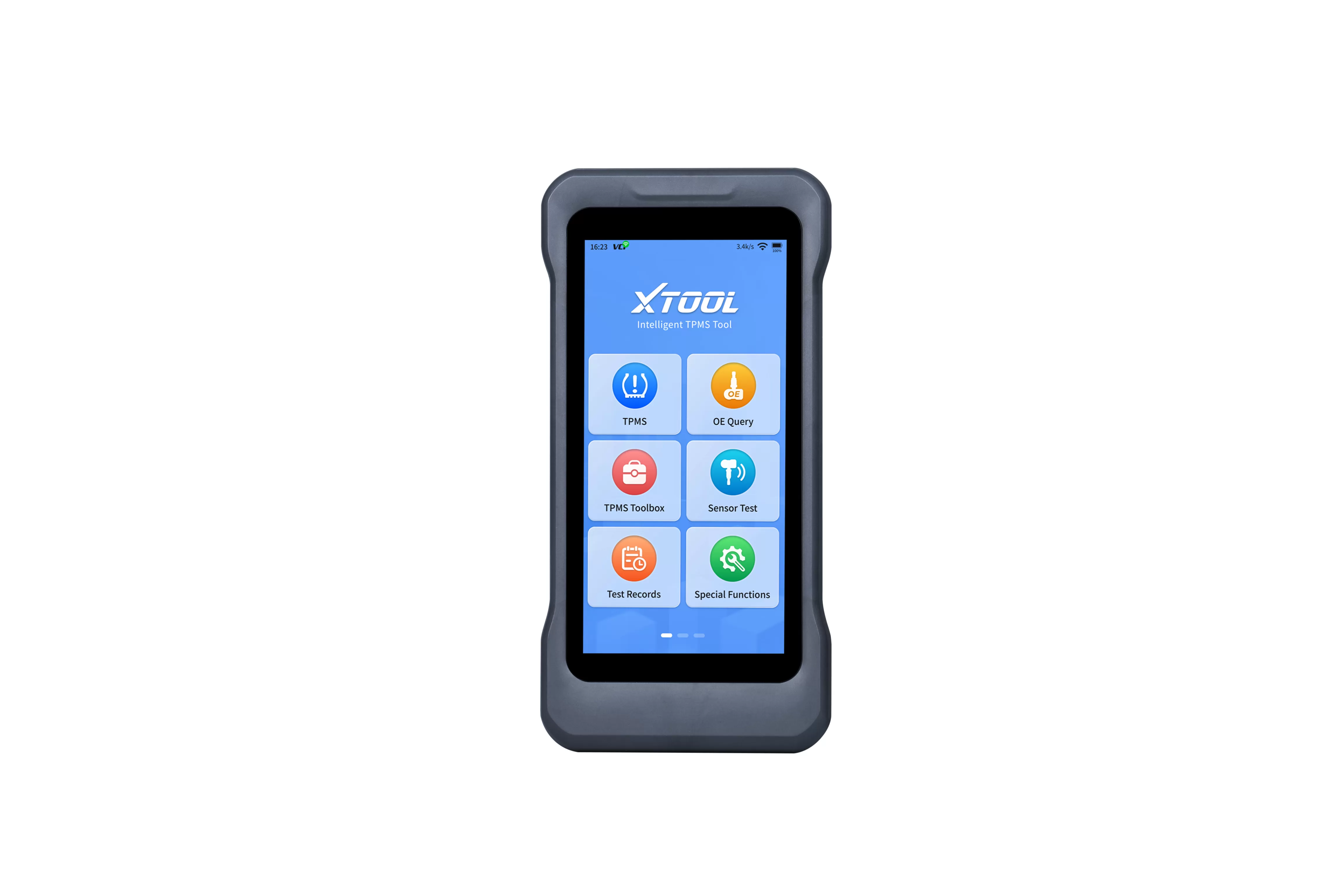
Service functions (oil reset, EPB, SAS, BMS, DPF, TPMS, etc.)
Protocol support for newer vehicles (CAN FD, DoIP where relevant)
Software update policy (frequency, included period, renewal cost)
Usability (Auto-VIN, quick scan, clear reports, stable connection)
OBD2 coverage means a scanner can communicate through standardized on-board diagnostics protocols and provide core engine and emissions data on compliant vehicles. At minimum, a good scanner should support widely used standards such as ISO 9141-2, ISO 14230 (KWP200), and ISO 15765 (CAN). For many newer vehicles, you may also need support for CAN FD, which is a faster version of CAN used on a growing number of modern platforms, or DoIP (Diagnostics over Internet Protocol), which is increasingly common on newer electrical architectures. If you service imports or vehicles outside North America, it is also important to confirm compatibility with regional variations such as EOBD in Europe and JOBD in Japan. For late-model vehicles, especially newly redesigned platforms or higher-end models, newer protocol support becomes a real buying factor rather than a bonus. The safest approach is to confirm compatibility by make, model, and year rather than assuming coverage because a manufacturer name is listed.
Recommended Professional Diagnostic Platforms
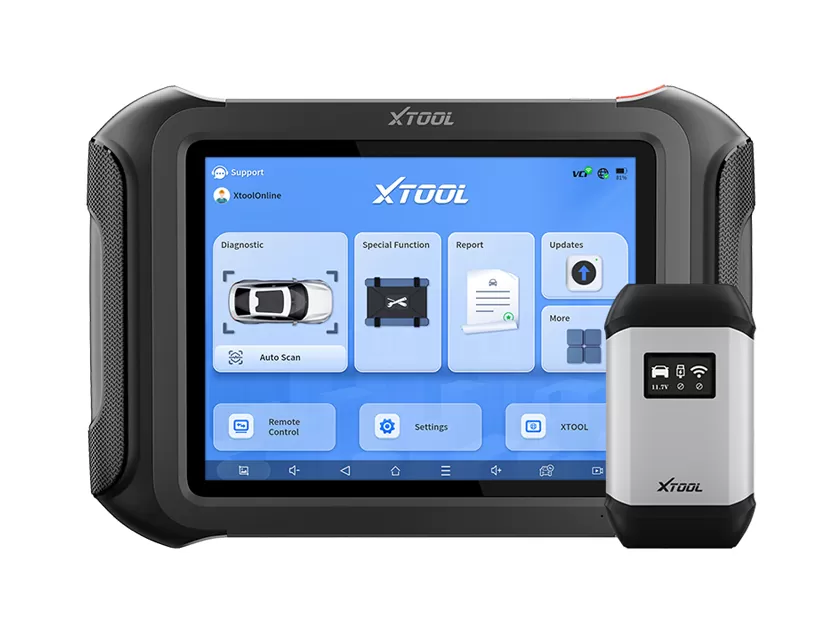
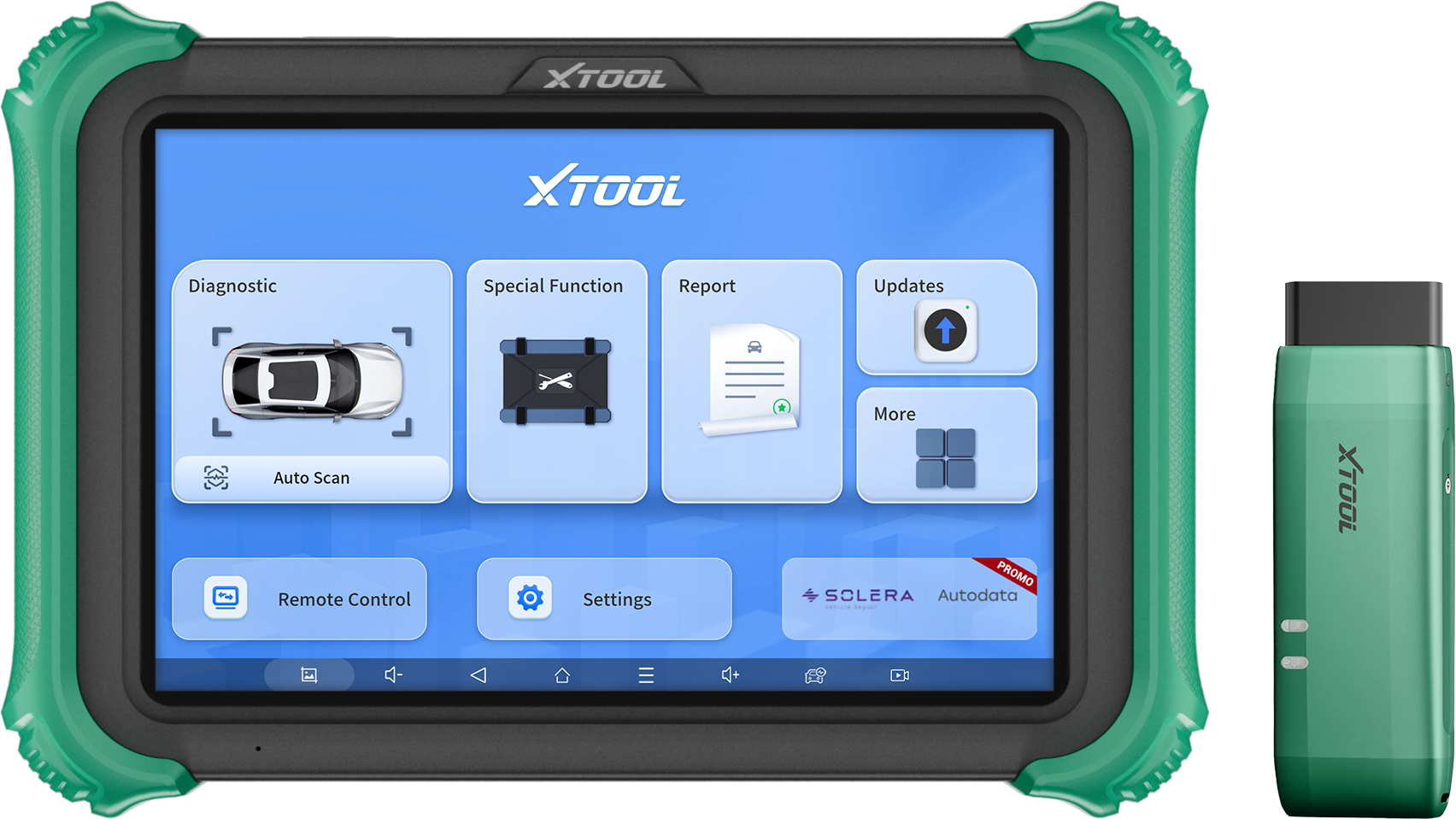
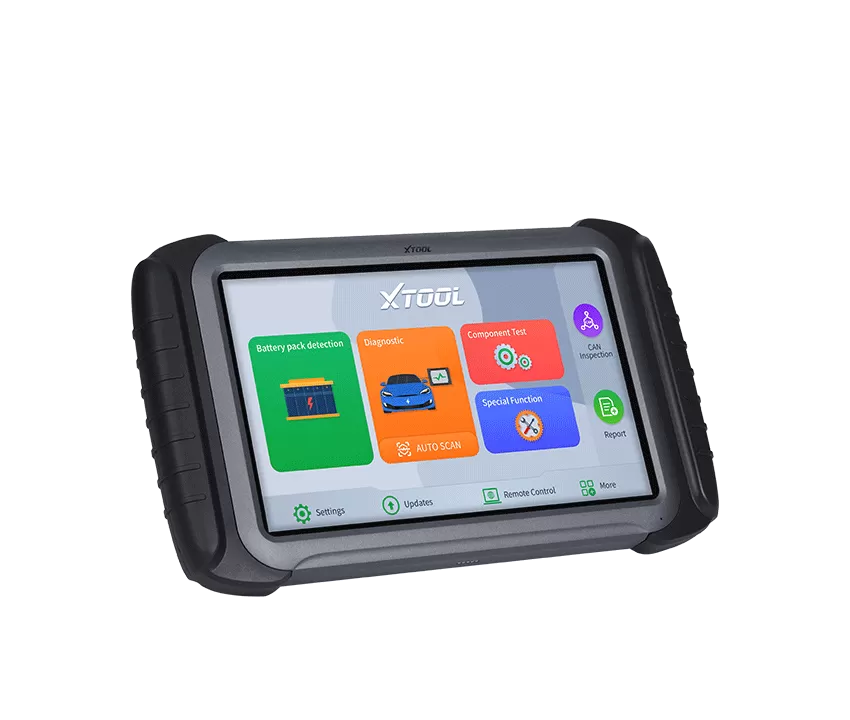
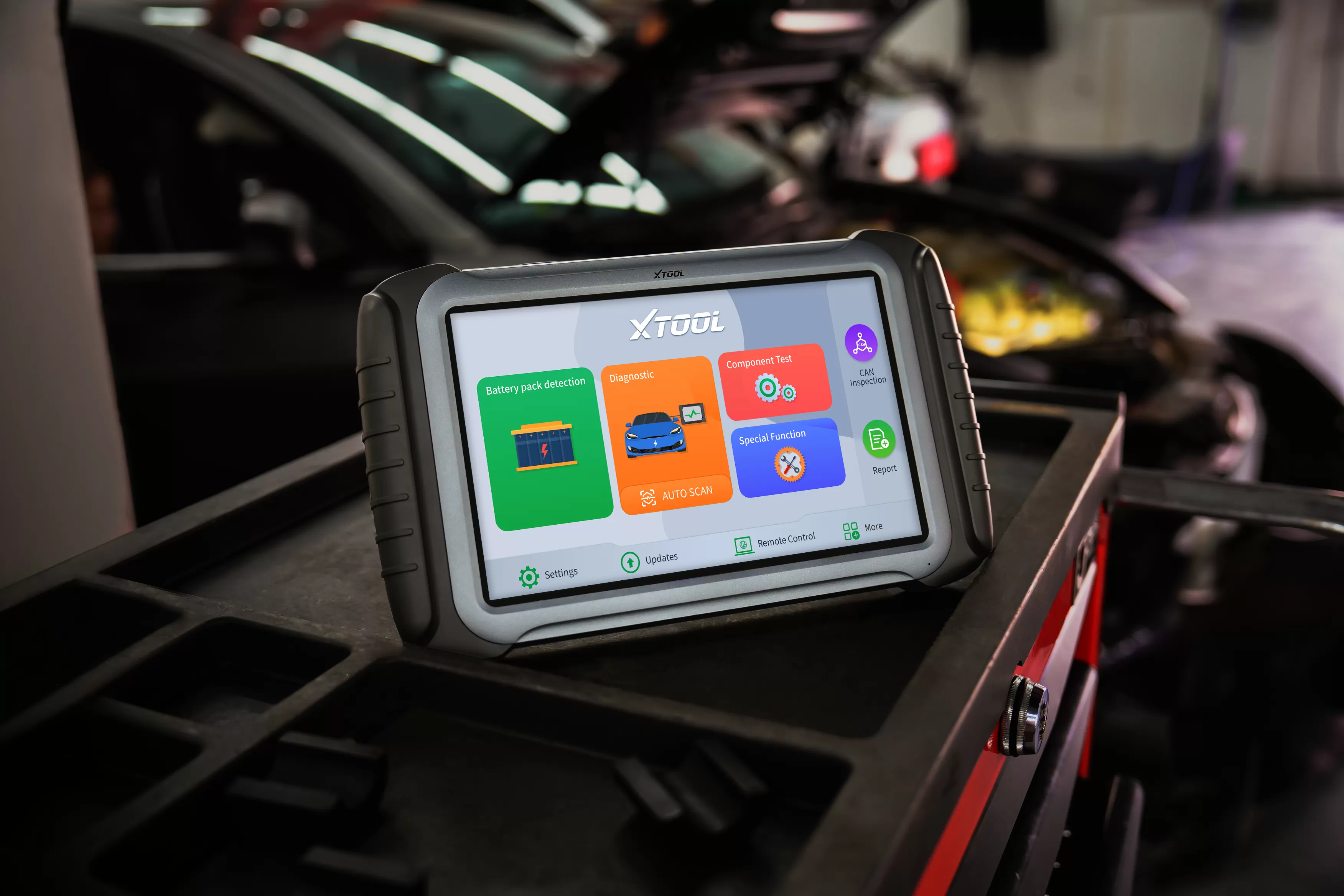
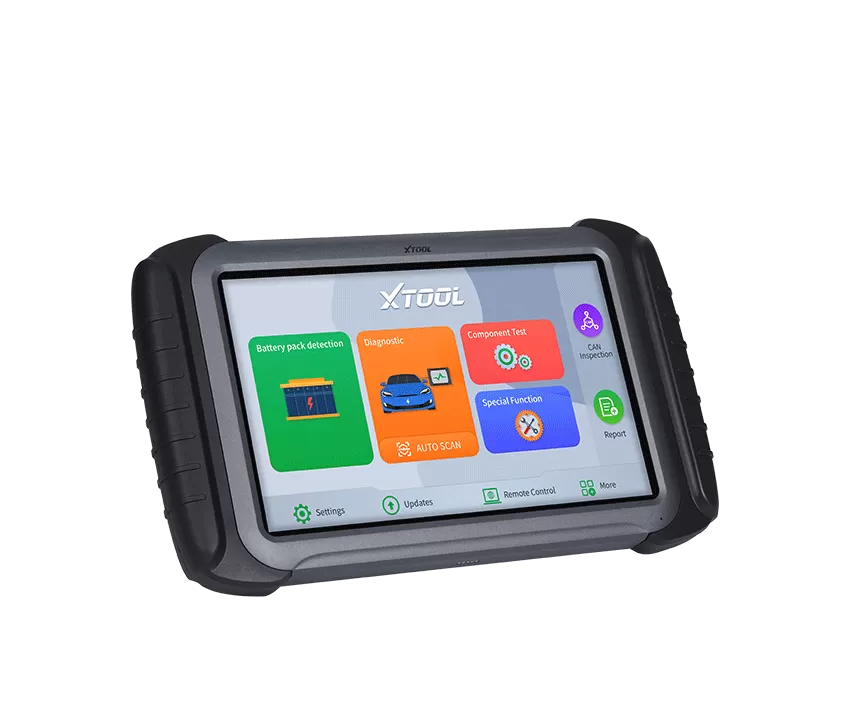
When working on newer vehicles that utilize CAN FD and DoIP communication, it is important to choose a platform designed for modern vehicle architectures. Professional solutions such as the XTOOL D Series and IP Series offer broader protocol coverage and enhanced diagnostic depth for late-model vehicles.
Basic code readers often focus mainly on the engine or powertrain module. In 2026, that level of access is frequently insufficient because drivability issues, safety faults, and comfort-related complaints often originate in other modules. A true full-system scanner should be able to communicate with key systems such as the engine, transmission, ABS, airbag system, body control module, steering, HVAC, TPMS, and hybrid or EV modules if those are part of your vehicle mix.
Full-system capability matters because the warning light you see may only be the symptom, while the underlying cause can be a communication issue, a stability-control-related fault, a voltage or network problem, or a sensor failure stored in another module. Scanning every relevant module reduces guesswork, cuts down on unnecessary parts replacement, and improves the chances of fixing the vehicle correctly on the first attempt.
Generic OBD2 is standardized and works well for baseline engine and emissions checks, but it does not always provide deep access to manufacturer-specific systems. OEM-level or enhanced diagnostics typically go further by exposing additional modules, parameters, and routines that are not available through generic OBD2. Depending on the vehicle, this deeper access may include items such as individual wheel-speed sensor readings in the ABS system, steering angle and stability-control parameters, transmission adaptation values and command data, detailed airbag module status information, or hybrid-system data on supported vehicles.
Because OEM-level depth varies widely by vehicle, coverage documentation should be treated as essential. Serious tool providers publish lists that show make, model, and year support, which modules can be accessed, and which special functions work for specific vehicles. In practice, you should avoid buying based on reputation alone and instead verify your most common vehicles using an official coverage list or coverage-check tool.
Live data is what turns a scanner from a simple “read and clear” device into a real diagnostic tool. Strong live data functions include graphing, which helps you spot spikes, dropouts, and trends that are hard to notice in a static list. It also helps to have multi-PID viewing so related sensors can be monitored side by side, along with a refresh rate fast enough to be meaningful during road testing.
Recording and playback are especially valuable when problems are intermittent, such as misfires that occur under load, sensor glitches that appear briefly, or shifting issues that happen only under certain conditions. Freeze-frame data and readiness monitors also play an important role because they help confirm the operating conditions present when a fault was set, support emissions-related troubleshooting, and allow you to verify a repair before the vehicle leaves.
Bi-directional control means the scanner can send commands to vehicle modules rather than only reading information from them. This is one of the clearest differences between consumer-grade tools and professional diagnostic platforms. With active tests, you may be able to command components such as cooling fans, fuel pumps, EGR valves, relays, solenoids, and certain body functions like door locks or windows where supported.
This capability saves time because it helps you determine whether a problem is caused by the component itself, wiring, a control signal issue, or module logic, often without disassembling parts of the vehicle. Since active test availability differs from one vehicle to another, it is important that the tool clearly labels what each test does and what results to expect. Reliability and stability in performing tests often matter more than having an extremely long list of tests that only work inconsistently.
XTOOL ADAS Calibration Considerations
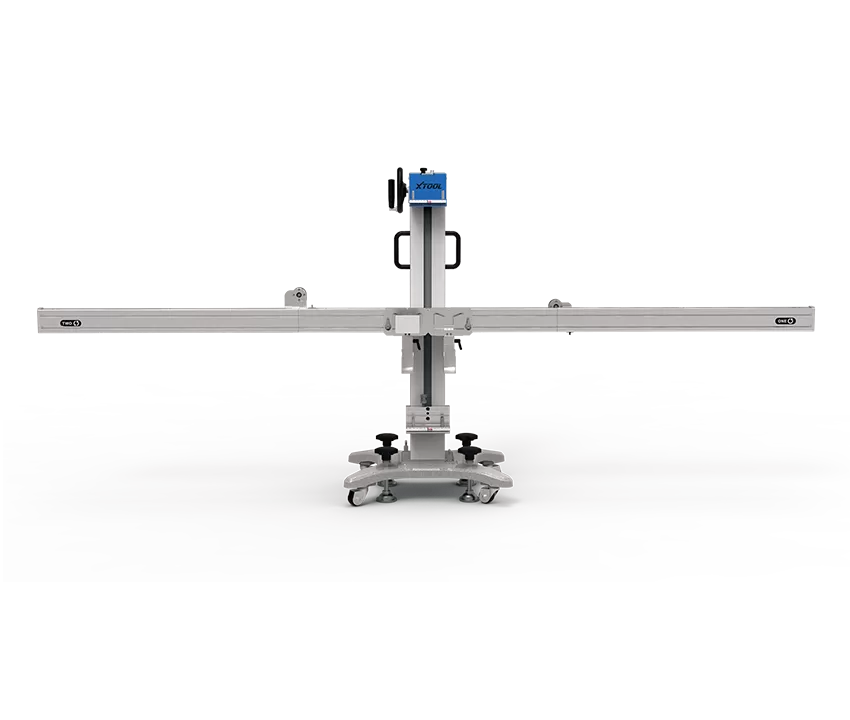
Many modern repairs require ADAS recalibration after component replacement. Workshops that handle camera, radar, or alignment-related repairs may benefit from dedicated ADAS calibration systems that integrate with professional diagnostic tools.
Beyond troubleshooting, many routine maintenance and repair tasks now require guided functions. In day-to-day work, high-value service procedures often include oil and service interval resets, setting the electronic parking brake into service mode for pad replacement, steering angle sensor calibration, and battery registration. If you service diesel vehicles, support for DPF regeneration and injector coding or adaptation can be especially important, along with the related live data that helps confirm soot load and differential pressure when supported.
It is also important to interpret “coding” and “adaptations” carefully because these terms can mean different things across manufacturers and platforms. Some operations may be limited by vehicle generation, security access, or the need for OEM software and subscriptions for dealer-level programming. Any claims about coding should be treated as vehicle-specific and verified through coverage documentation rather than assumed to be universal.
EV and Hybrid Vehicle Diagnostics
As hybrid and electric vehicles become more common, technicians increasingly require access to battery management systems, high-voltage diagnostics, and EV-specific service functions.
Dedicated platforms such as the XTOOL N9EV are designed specifically for new energy vehicle diagnostics and advanced battery system analysis.
Even a powerful scanner can feel slow or frustrating if the workflow is poorly designed, and usability impacts productivity every day. A wireless VCI connection, whether Bluetooth or Wi Fi, improves flexibility by allowing you to road test while monitoring live data, move around the vehicle freely, and work more comfortably in tight spaces.
A well-designed interface should help you identify the vehicle quickly, ideally with Auto-VIN or streamlined selection, and it should support fast global scanning for full-system checks. Clear navigation from systems to live data, active tests, and service functions reduces wasted time, and understandable code descriptions are far more useful than cryptic abbreviations. Report export is also valuable for customer communication, fleet recordkeeping, and smoother handoffs between technicians, with export methods varying by tool and commonly including digital reports that can be shared or printed.
A diagnostic scanner is typically a long-term tool, so the update policy can determine whether the device stays useful as vehicles evolve. When evaluating a scanner, it helps to confirm how long updates are included, how frequently updates are released, how quickly bugs are addressed, whether changelogs are provided, and what renewal costs look like after any included period ends. Skipping updates for too long can gradually reduce coverage for new model years and newer communication standards.
For workshops and fleets, a practical approach is to create a “top vehicles list” of the makes, models, and years you see most often, then verify module access, critical service functions, and the bi-directional tests you rely on. Instead of comparing only the upfront price, it is usually more accurate to consider total cost of ownership by weighing hardware cost, included update time, renewal costs, diagnostic time saved per job, and the additional revenue made possible by service functions and coding or adaptation features. In many real-world cases, a higher-end professional scanner becomes the more economical option over time if it reduces diagnostic minutes and prevents unnecessary parts replacement.
Basic code readers are suitable for emissions-related diagnostics, but modern vehicles often require access to ABS, SRS, BCM, and manufacturer-specific modules. A full-system scanner provides much deeper diagnostic capability.
Generic OBD2 diagnostics focus primarily on emissions and engine systems. OEM-level diagnostics provide access to manufacturer-specific modules, data parameters, active tests, and service procedures.
CAN FD enables faster communication and is increasingly used on newer vehicles. Without CAN FD support, some late-model vehicles may have limited diagnostic access.
Bi-directional control helps technicians activate components directly from the scan tool, making troubleshooting faster and more accurate.
The best choice depends on vehicle coverage requirements, service functions, and budget. Professional workshops often prefer the XTOOL D Series, IP Series, or specialized EV diagnostic platforms for broader functionality.