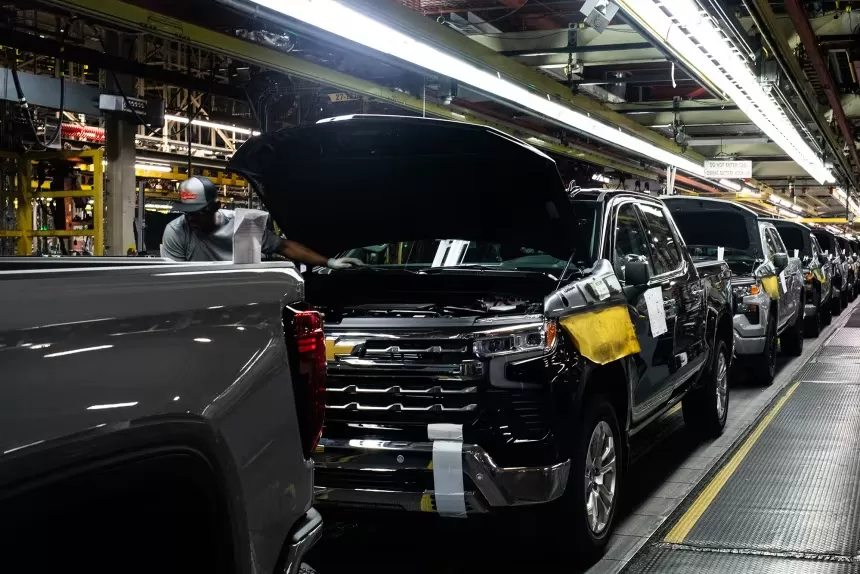
For auto repair shops, 2026 is shaping up to be another year of cost pressure. Parts pricing, supply chain uncertainty, and changing trade policies are all affecting how repair businesses quote jobs, manage inventory, and protect margins. According to a notice published in the Federal Register, the U.S. continues to move forward with the Section 232 automobile parts tariff inclusion process, with a new window opened for additional auto parts to be added to the tariff scope. For repair shops, this is not just a policy update — it is a business reality that can directly influence repair costs and profitability.
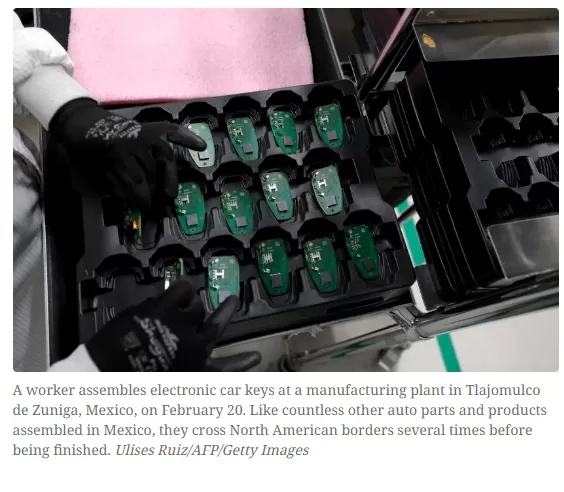
Image from CNN report
When parts become more expensive, the cost of replacing the wrong component becomes much higher. A misdiagnosed sensor, an unnecessary module replacement, or a repeated repair visit can quickly turn a profitable job into a margin loss. In a market where certain imported vehicles and auto parts remain subject to a 25% tariff and related procedures continue to evolve, repair businesses need to pay closer attention to diagnostic accuracy, workflow control, and first-time fix rates.
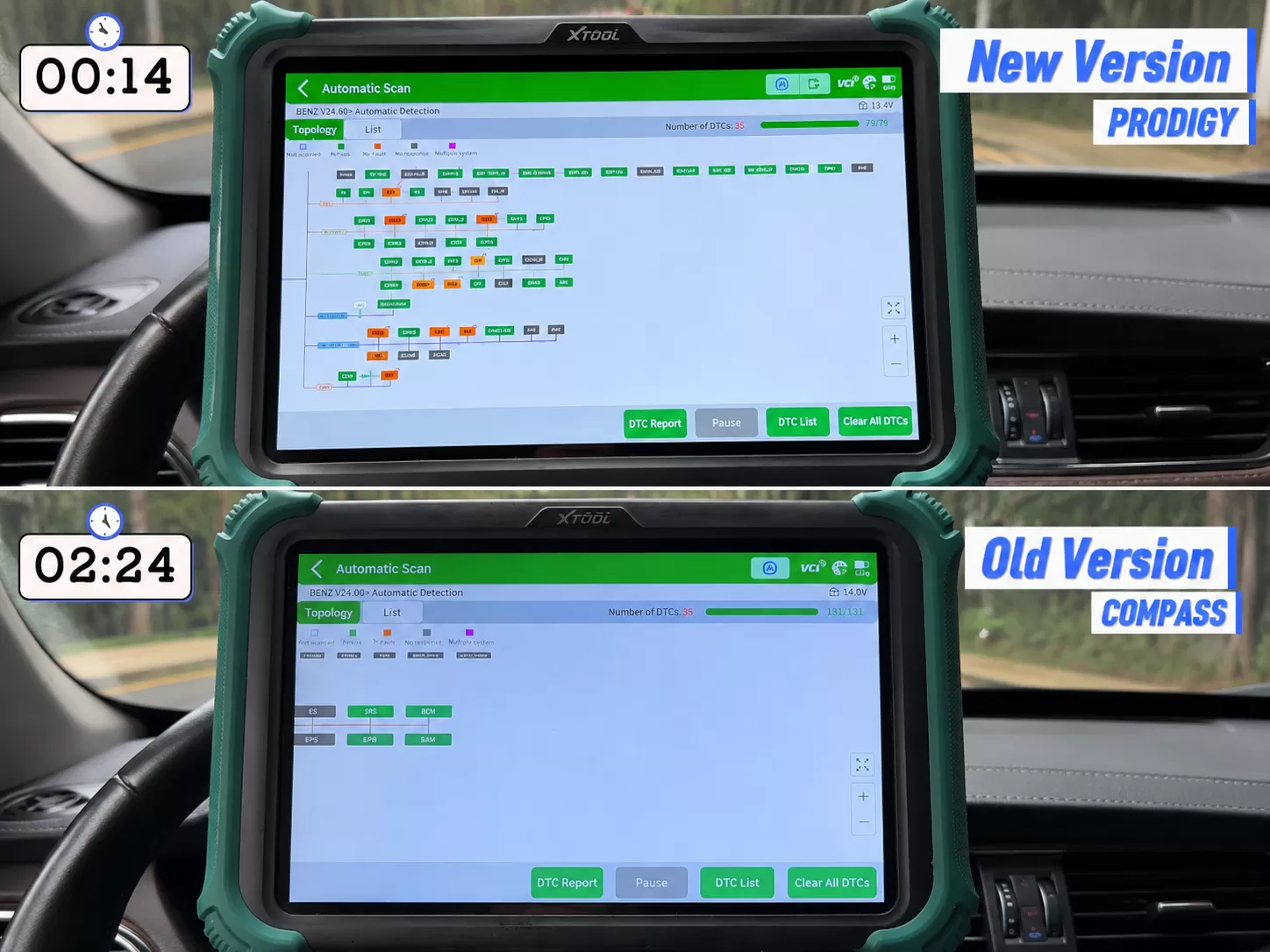
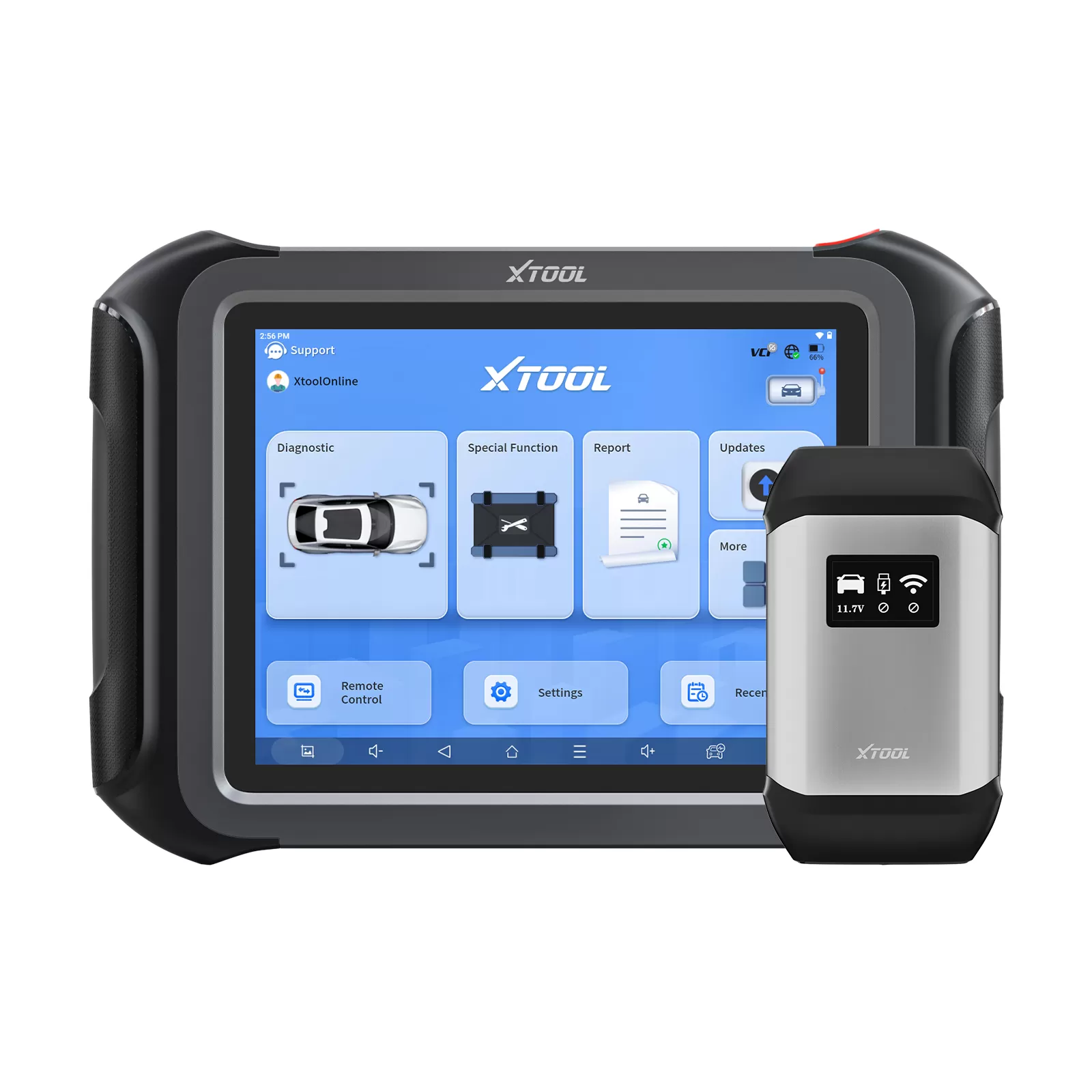
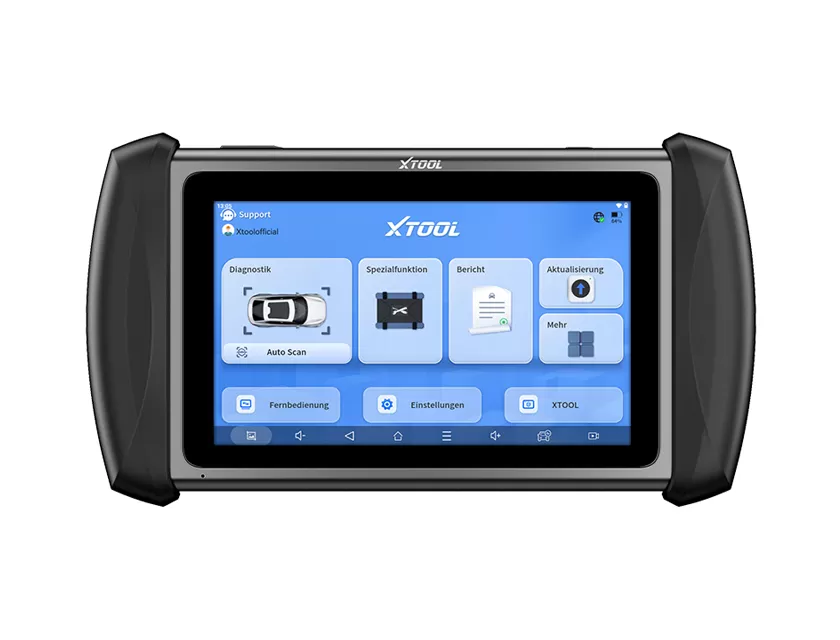
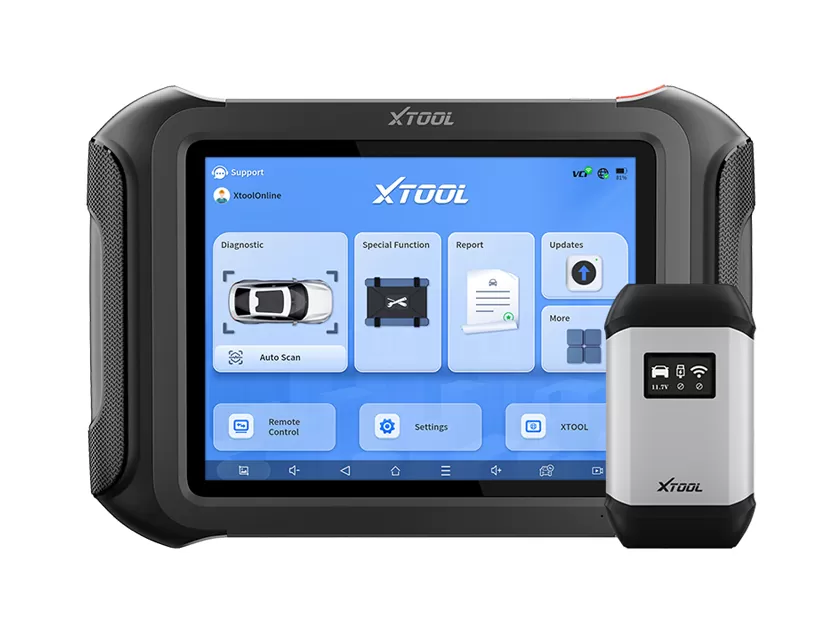
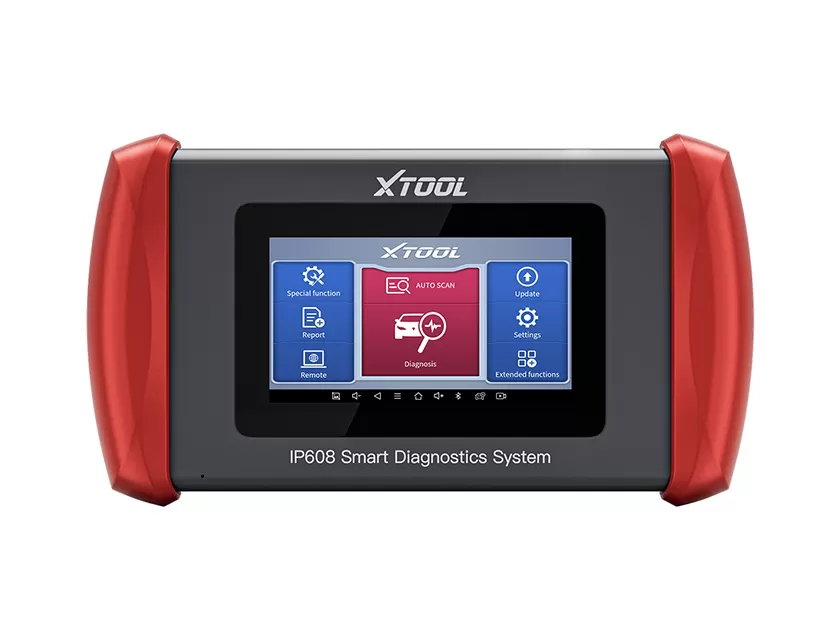
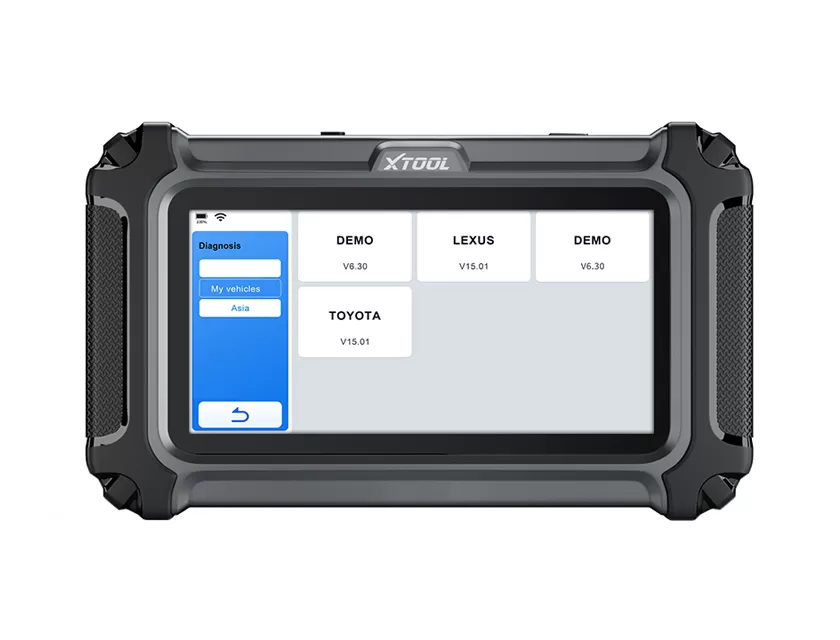
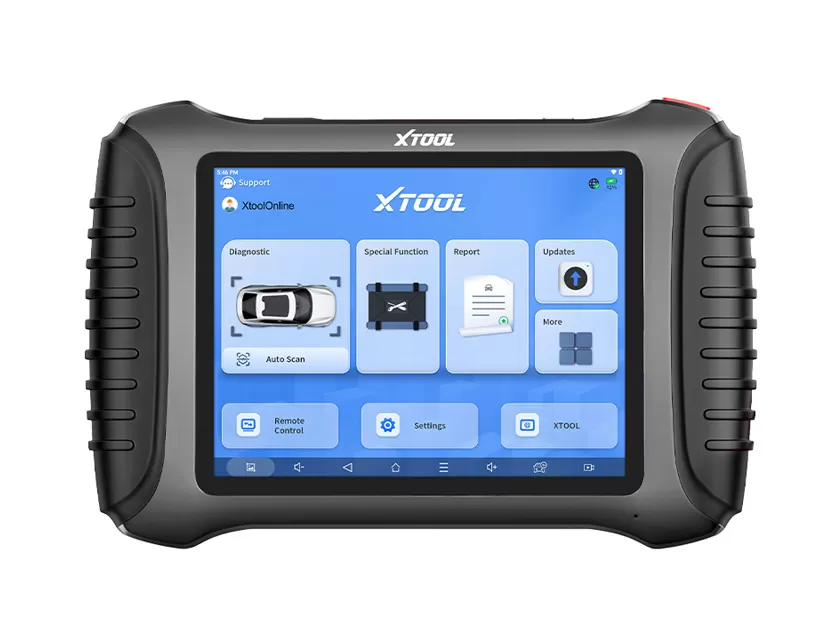
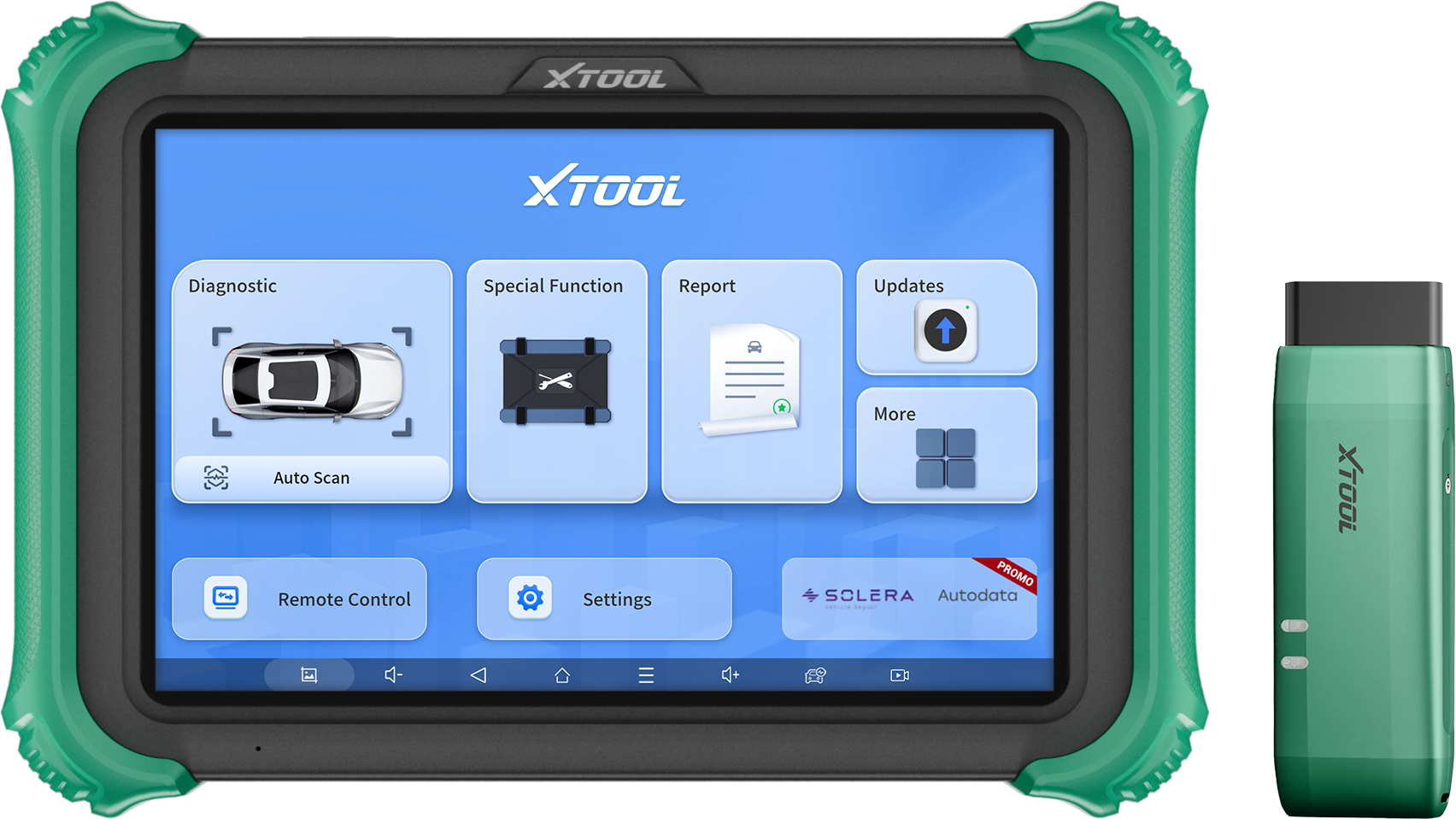
This is why professional diagnostic tools are no longer just code readers. For modern repair shops, a capable diagnostic platform is part of the profit strategy. Beyond reading and clearing DTCs, advanced tools help technicians analyze live data, perform active tests, verify repairs, and identify the true root cause before parts are ordered. The more accurate the diagnosis, the lower the chance of unnecessary replacement, customer callbacks, and wasted labor hours.
At the same time, electric vehicle repair is creating a new growth path for workshops.
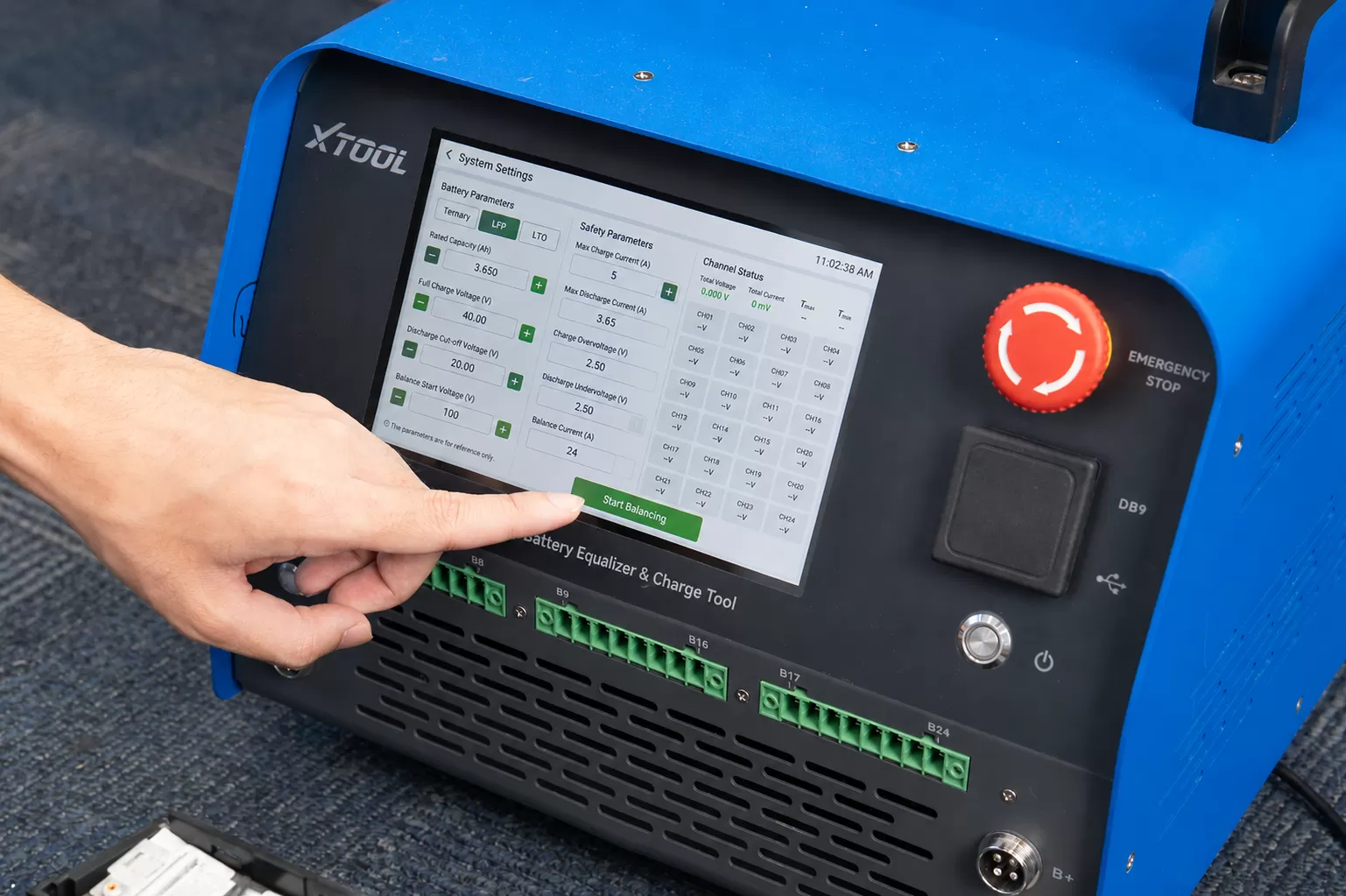
The IEA expects global EV sales to reach 23 million units in 2026, accounting for about 28% of total global car sales. As more EVs enter the service market, repair shops will need to handle more than basic fault code reading. High-voltage system checks, battery health assessment, charge and discharge maintenance, cell balancing, thermal management diagnostics, and ADAS calibration are becoming part of the next-generation service menu.
For shops that want to protect profitability while preparing for EV service demand, the goal should not be to purchase isolated tools one by one. The stronger approach is to build a complete EV service capability.
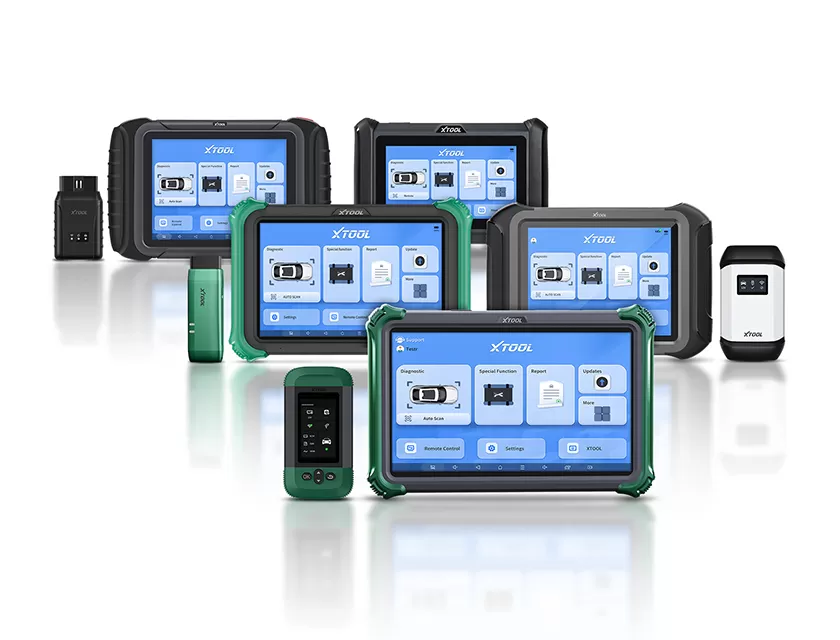
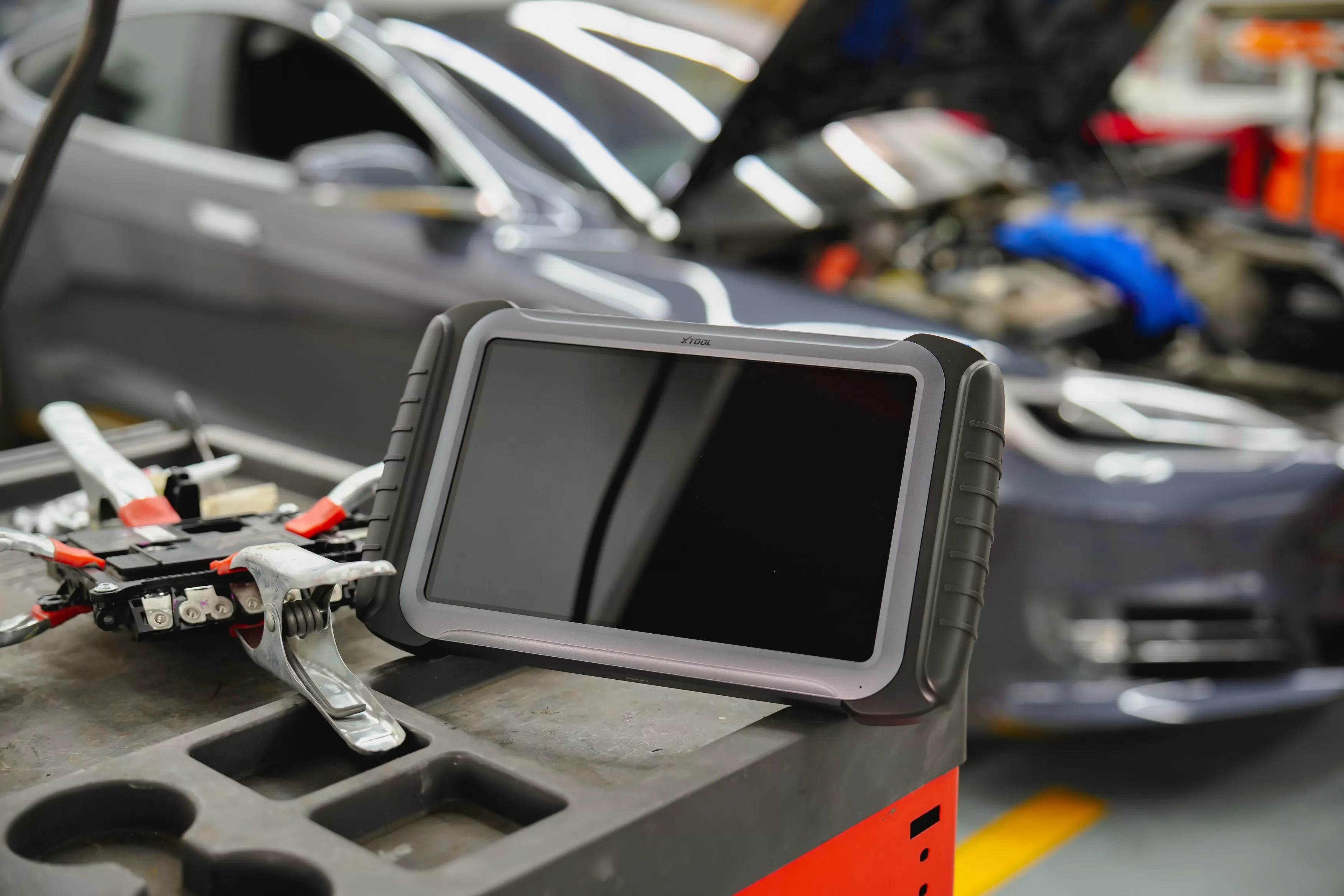
XTOOL supports this transition with an integrated solution that includes the E2 Pro diagnostic tool, battery balancing equipment, and ADAS calibration systems. Together, these tools help repair businesses improve diagnostic confidence, standardize battery maintenance, reduce repeat work, and expand into higher-value EV services.
As parts costs continue to rise and vehicle technology becomes more complex, profitability will increasingly depend on accuracy, efficiency, and service readiness. With the right diagnostic and EV service equipment, repair shops can reduce unnecessary parts replacement, improve workflow efficiency, and capture new revenue opportunities in the growing electric vehicle aftermarket.
If you are interested in XTOOL's one-stop EV service solutions, please fill out the form below. Our sales team will contact you soon.