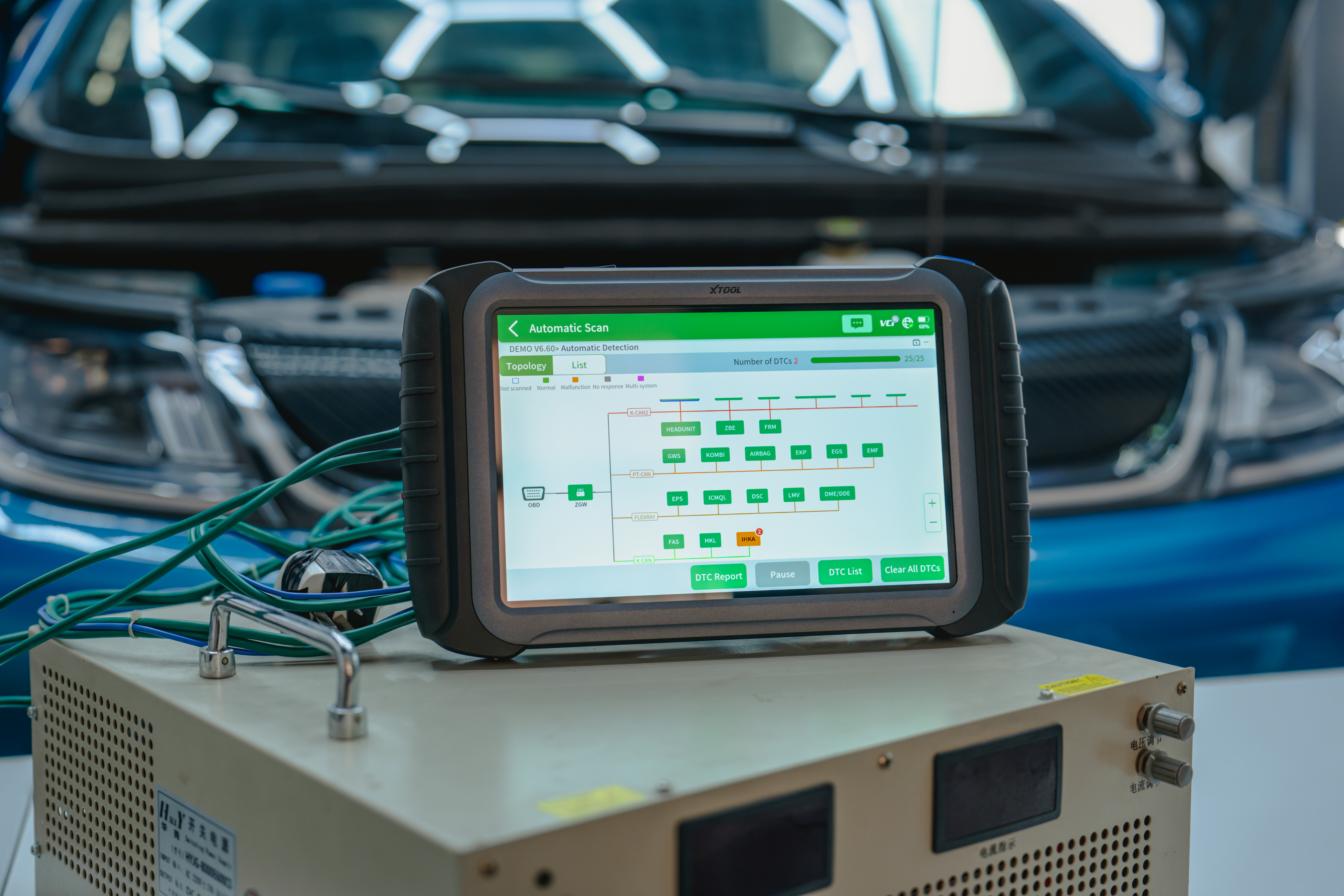
Modern vehicle diagnostics is no longer just about reading fault codes. A code can show which system may have a problem, but it cannot always prove whether the issue comes from an actuator, wiring, switch, sensor, or control module.
For example, when a cooling system fault appears, a basic tool can read codes and live data. The technician still needs to identify whether the issue comes from the fan, relay, wiring, sensor, or ECU control logic. Professional diagnostics is not only about finding faults, but verifying them.
Basic diagnostics mainly works one way: vehicle → diagnostic tool. Bi-directional control works both ways: vehicle ↔ diagnostic tool. The tool can read vehicle data and also send commands to control modules to activate specific actuators. It is also known as an active test or actuator test.
Take a power window fault as an example. If the window does not move when the switch is pressed, the technician can command the window directly through the tool. If the window moves, the issue may be the switch signal or control input. If the motor runs but the glass does not move, it may be a mechanical jam. If there is no response, the technician can continue checking the motor, wiring, or power supply.
Without bi-directional control, technicians may need to remove, inspect, or replace parts one by one. Active tests help verify actuator response first, reducing misdiagnosis and unnecessary replacement.
Some components only work under specific conditions. A cooling fan, for example, may only start at a certain temperature. With bi-directional control, technicians can directly activate fans, fuel pumps, locks, lights, and other systems.
Repair Verification
Clearing fault codes does not mean the repair is complete. Bi-directional control allows technicians to retest the system and confirm whether the actuator works properly after repair
Bi-directional control is not a function to click casually. Before testing, technicians must confirm vehicle status and safety conditions, such as whether the vehicle is parked securely, idling when required, and placed on level ground. Tests involving electronic parking brakes, engines, or fans require strict attention to the tool prompts.
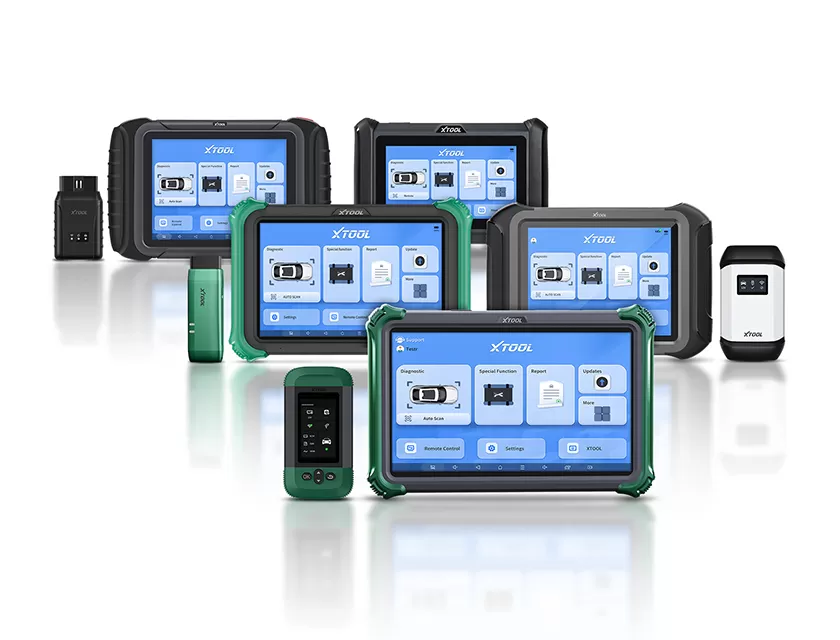
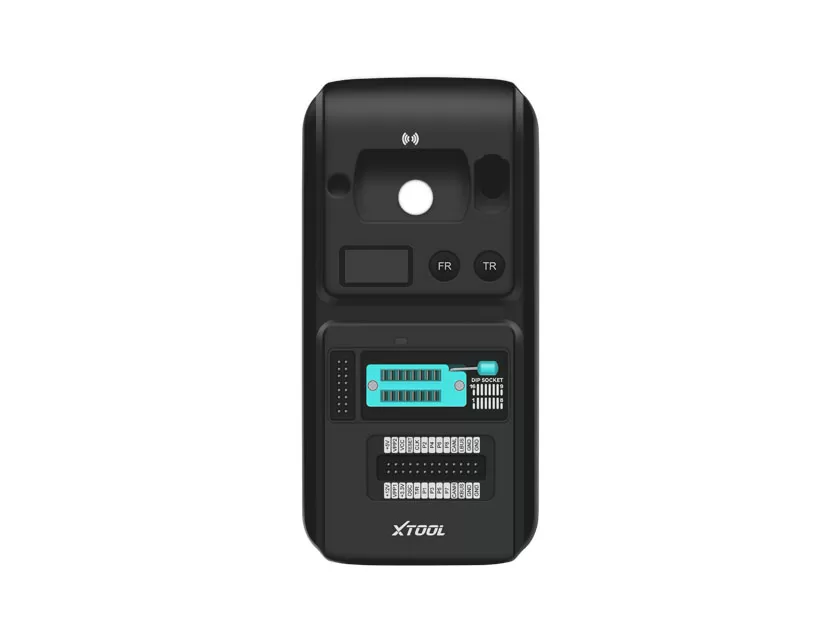
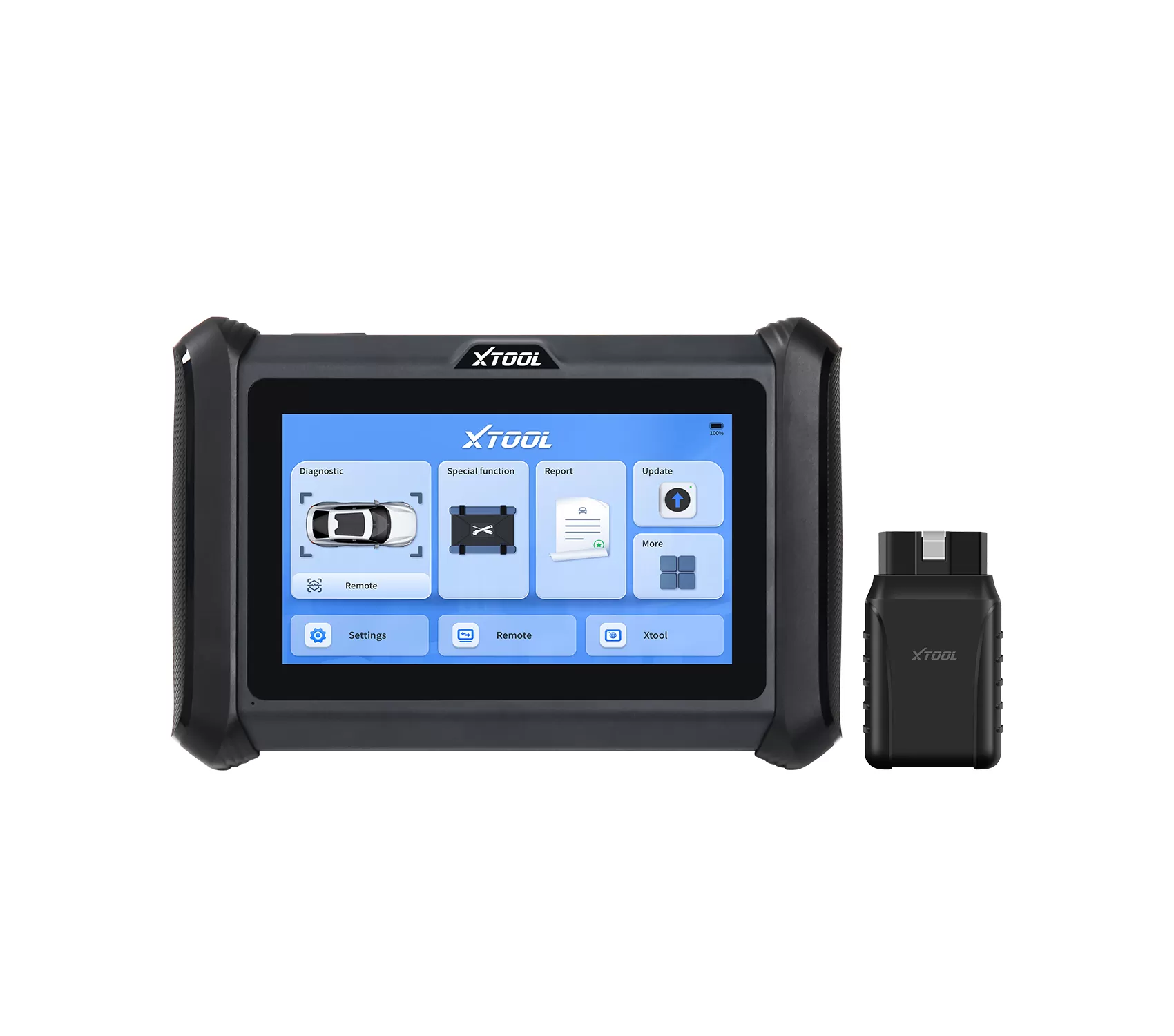
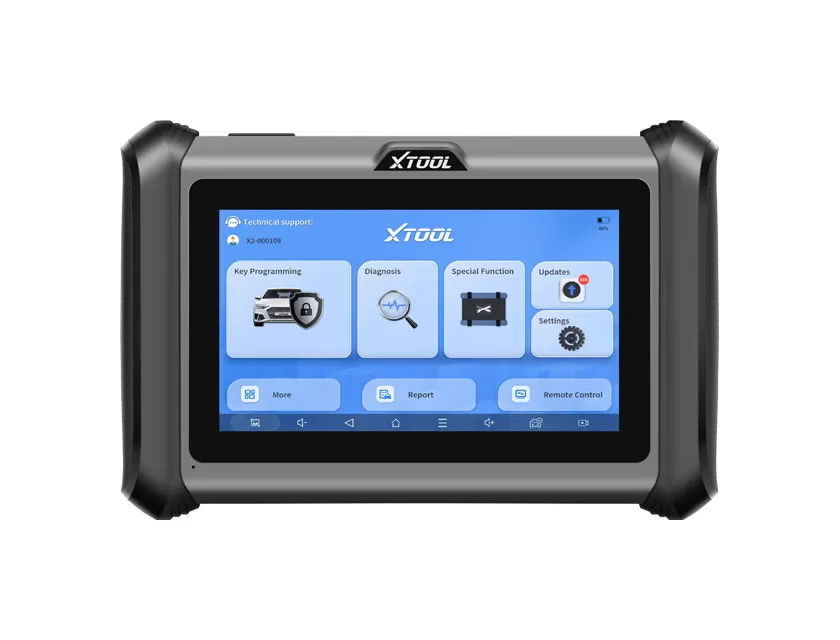
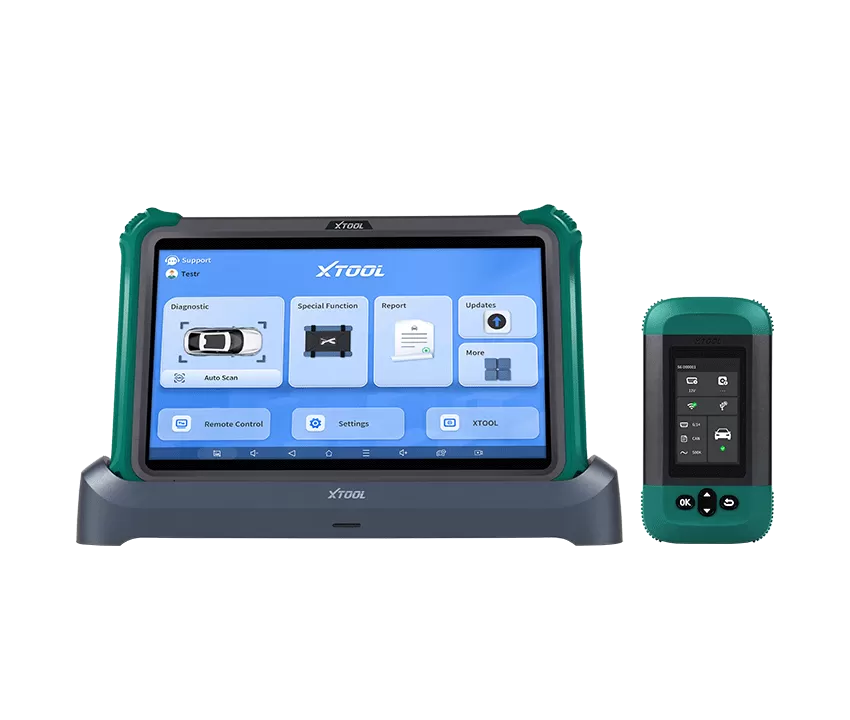
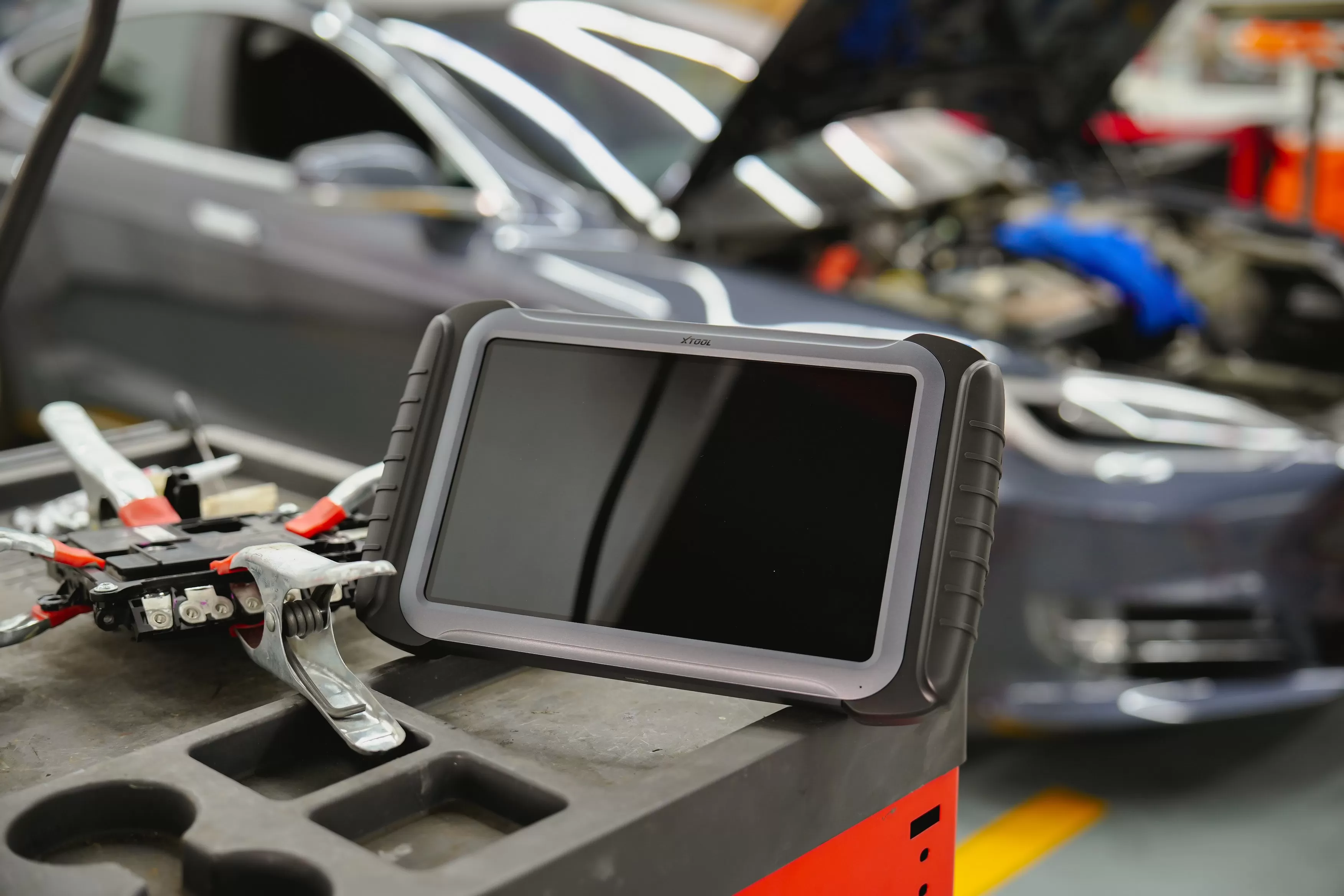
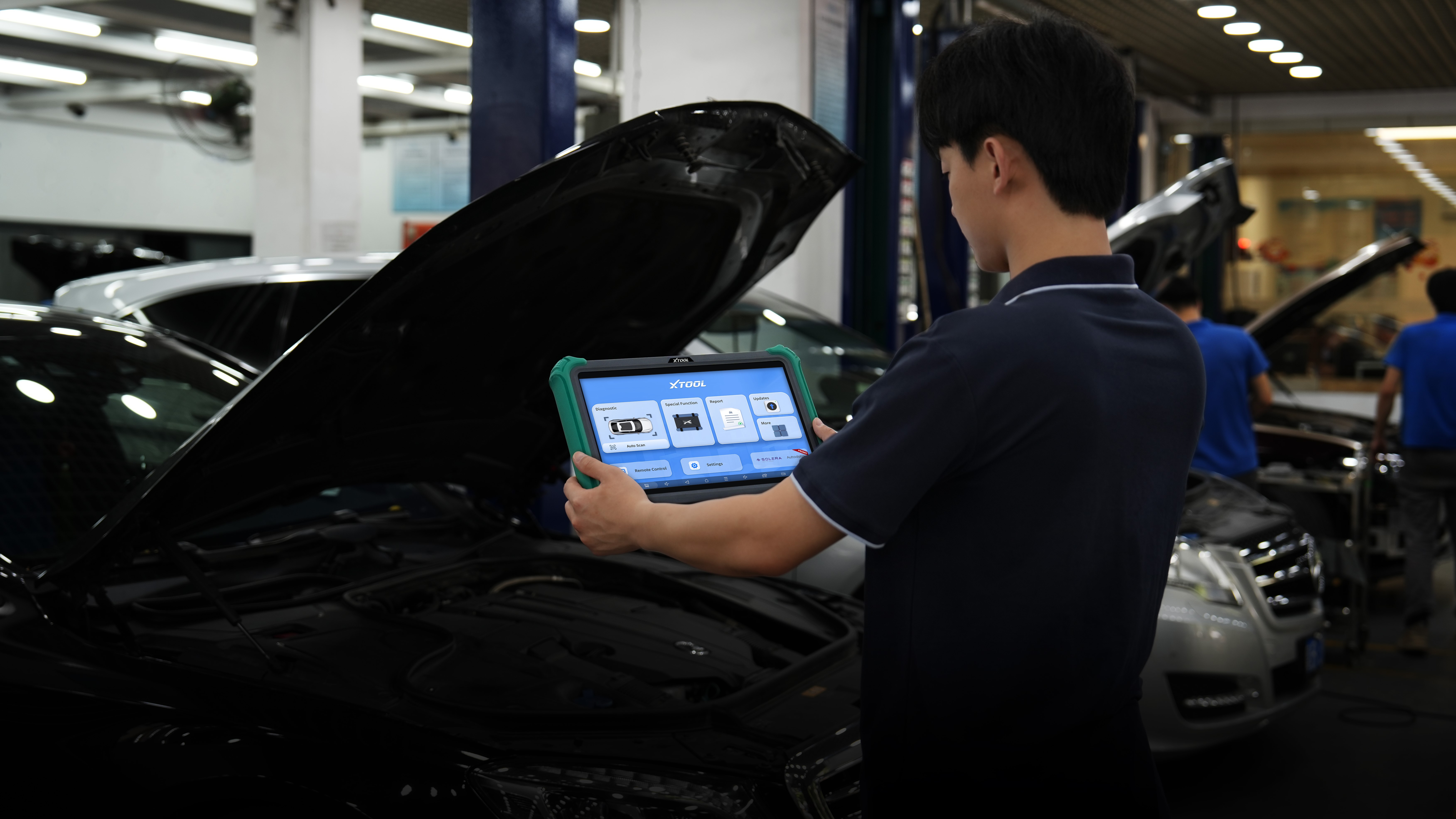
XTOOL Prodigy is designed for professional repair scenarios.
It combines fault code reading, live data, bi-directional control, resets, adaptations, and programming to help technicians move from finding faults to verifying faults. For workshops, this is not only a tool upgrade, but a workflow upgrade.
If you’d like to confirm whether XTOOL Prodigy supports your target vehicles, diagnostic functions, or repair scenarios, please fill out the form below to contact us for product details and pricing.