Modern vehicles are more complex than ever.
A single car may contain dozens of electronic control modules responsible for the engine, transmission, battery, braking system, ADAS, body electronics, infotainment, and security functions.
When a vehicle enters a repair shop with a warning light, starting problem, power loss, charging issue, or electrical fault, experience alone is often not enough to identify the real cause. Two vehicles may show similar symptoms while having completely different underlying problems.
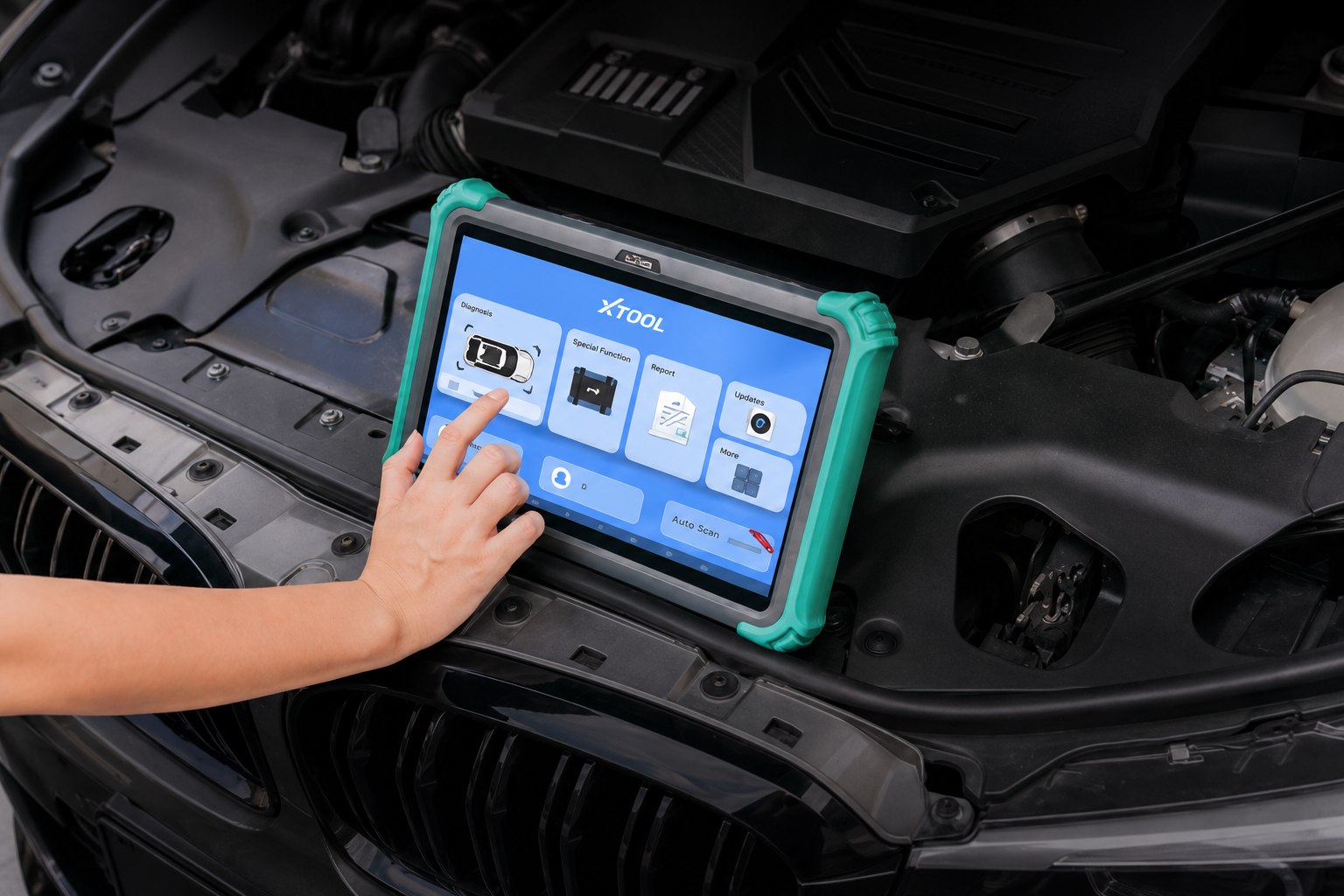
A car diagnostic tool helps technicians communicate with the vehicle’s electronic systems, understand what the vehicle is reporting, and determine where to begin the inspection.
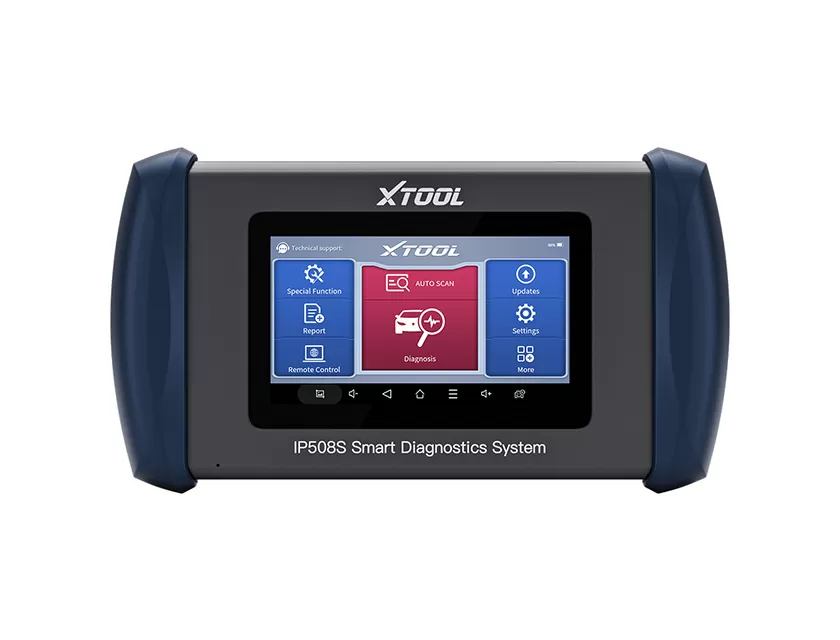
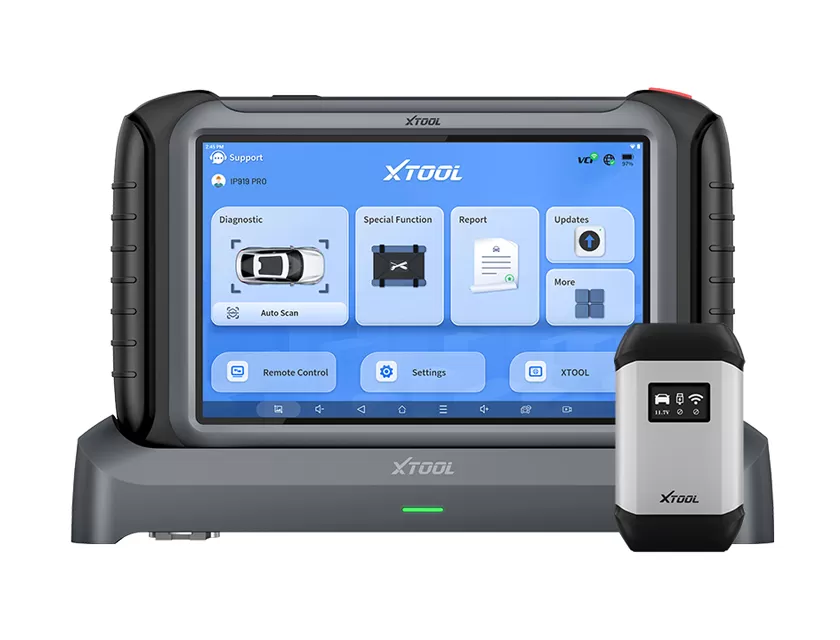
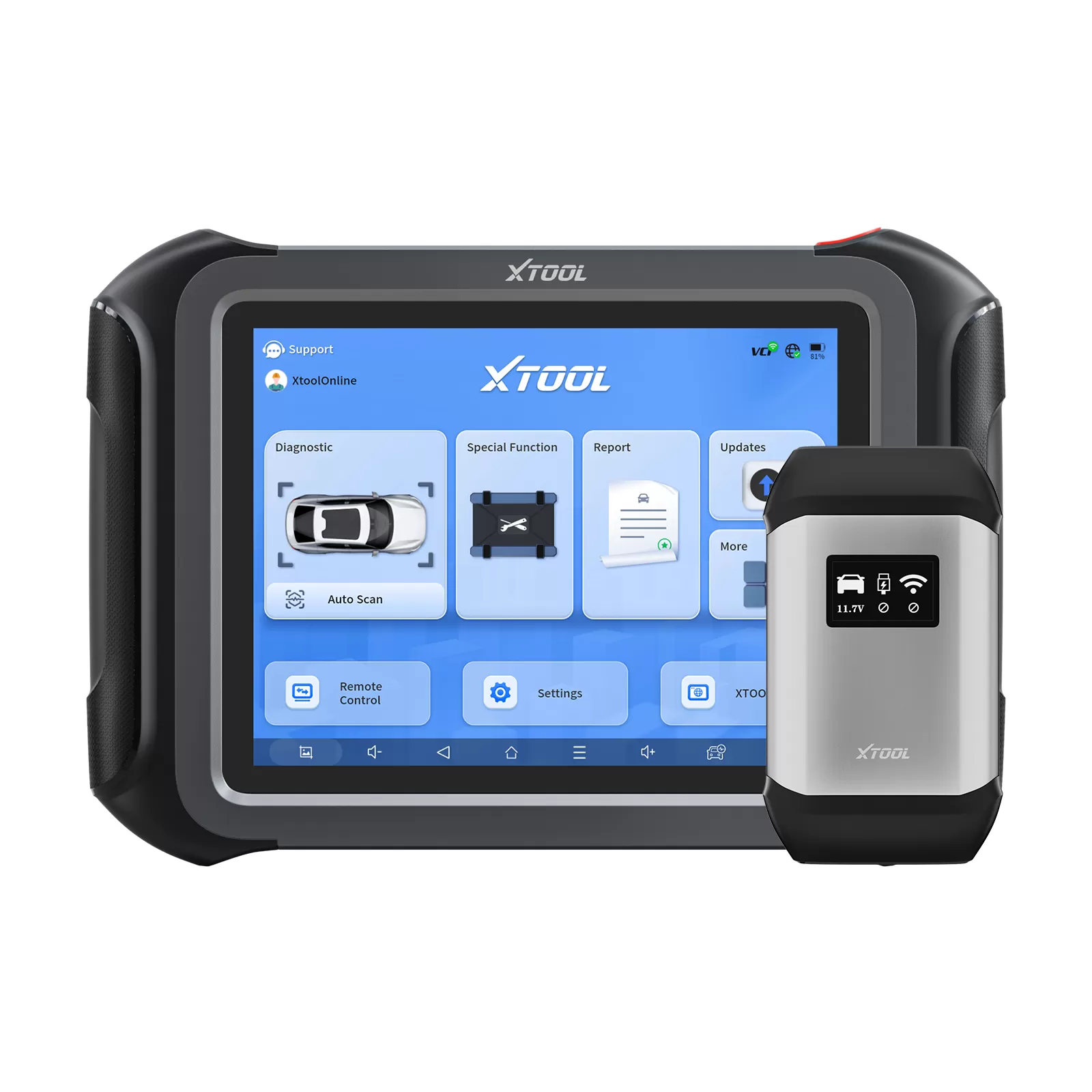
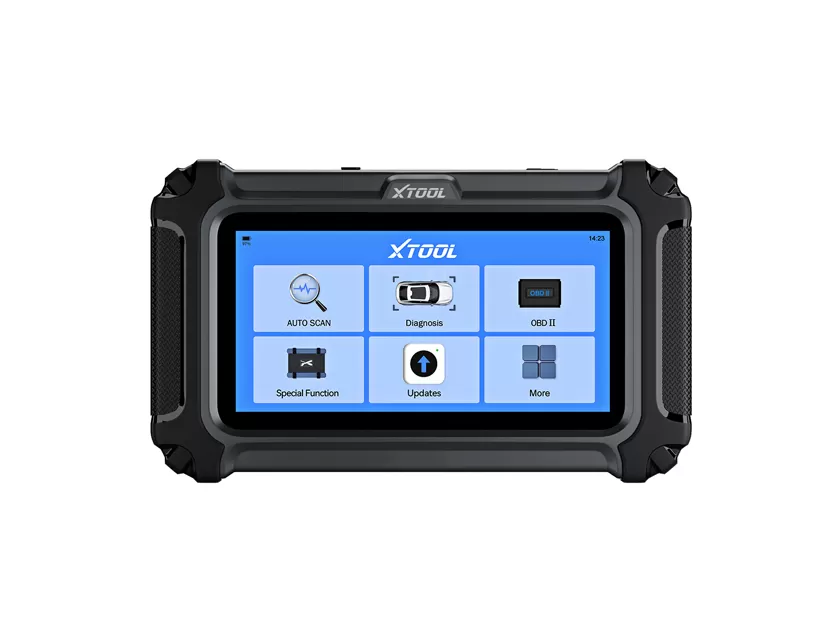
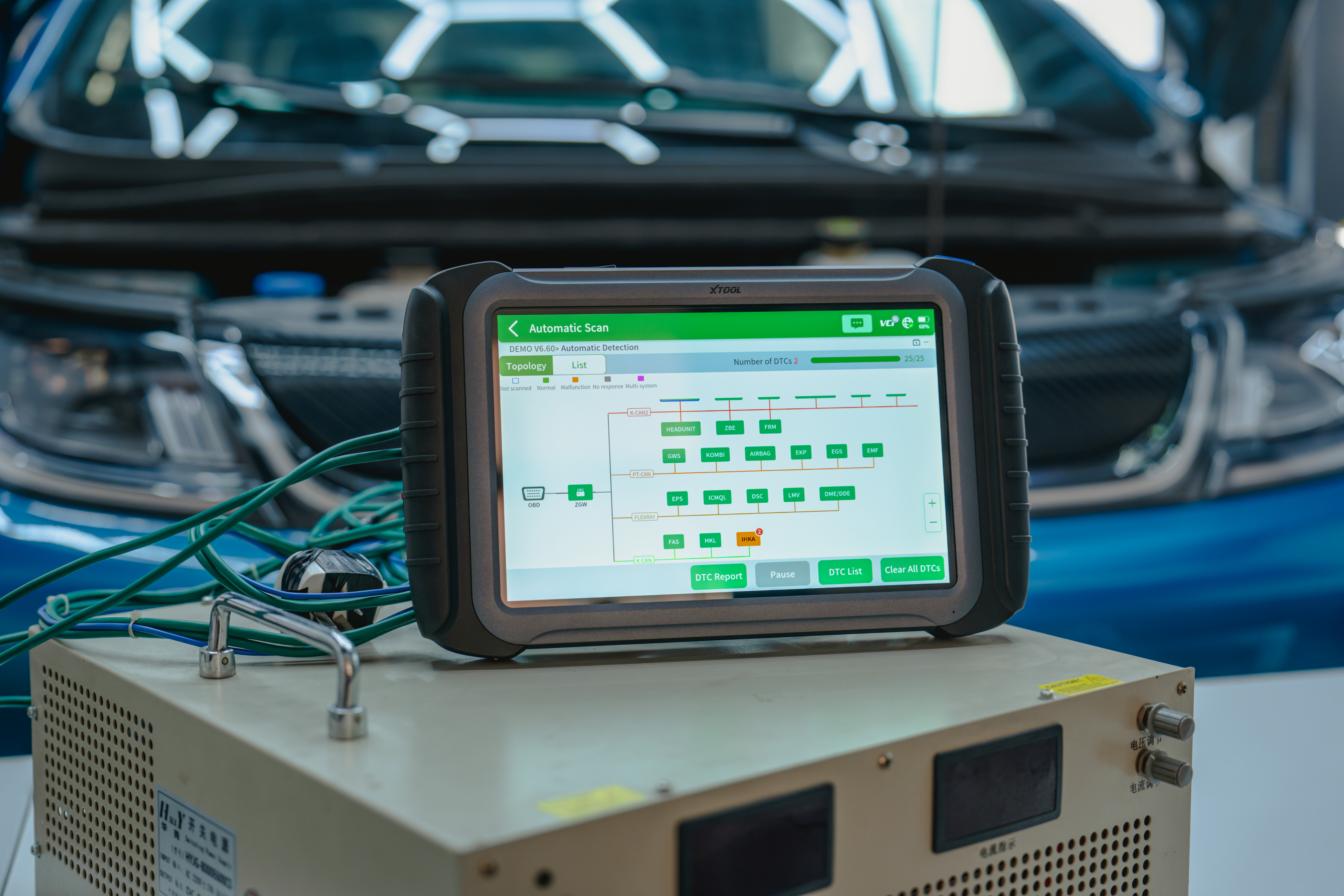
A car diagnostic tool, also called an automotive scan tool, connects to a vehicle through its diagnostic port. It communicates with the vehicle’s control modules and retrieves information such as diagnostic trouble codes, live data, system status, and module information.
Basic tools may only read and clear engine fault codes. Professional diagnostic tools can perform much more, including:
· Full-system vehicle scans
· Live data monitoring
· Freeze-frame data review
· Active tests and bidirectional control
· Service and maintenance resets
· ECU coding and programming
· Pre-scan and post-scan reports
· Vehicle health report generation
In practice, a professional scan tool acts as the repair shop’s access point to the vehicle’s electronic systems.
It does not replace the technician’s knowledge. Instead, it provides the information and testing capabilities needed to make better repair decisions.
Many vehicle owners assume that once a trouble code appears, the failed part has already been identified. In reality, a diagnostic trouble code usually points to a system or operating condition rather than confirming a specific component failure.
For example, an oxygen sensor-related code may be caused by the sensor itself, damaged wiring, an air leak, incorrect fuel pressure, or another engine performance issue.
Replacing the sensor without additional testing may not solve the problem.
A professional diagnostic tool allows the technician to examine live data, compare sensor behavior, review freeze-frame conditions, and perform active tests. This helps turn a general fault code into a more focused diagnostic direction.
A complete vehicle scan can quickly show which systems contain faults. Instead of checking each system manually, technicians can start with the most relevant modules and data. This reduces diagnostic time and helps shops handle more vehicles during the workday.
When technicians can review live data and test components directly, they are less likely to replace parts based only on assumptions. Reducing trial-and-error repairs saves money for both the shop and the customer.
Diagnostic tools can support the entire service process, from the initial vehicle scan to the final repair verification. A technician can document the vehicle’s condition before repair, complete the required work, clear fault codes, perform system tests, and generate a post-repair report.
Vehicle problems are often difficult to explain, especially when the fault involves electronic systems. A diagnostic report gives the repair shop a clearer way to show customers which faults were detected, what tests were performed, and whether the system returned to normal after repair. This can make repair recommendations and pricing easier for customers to understand.
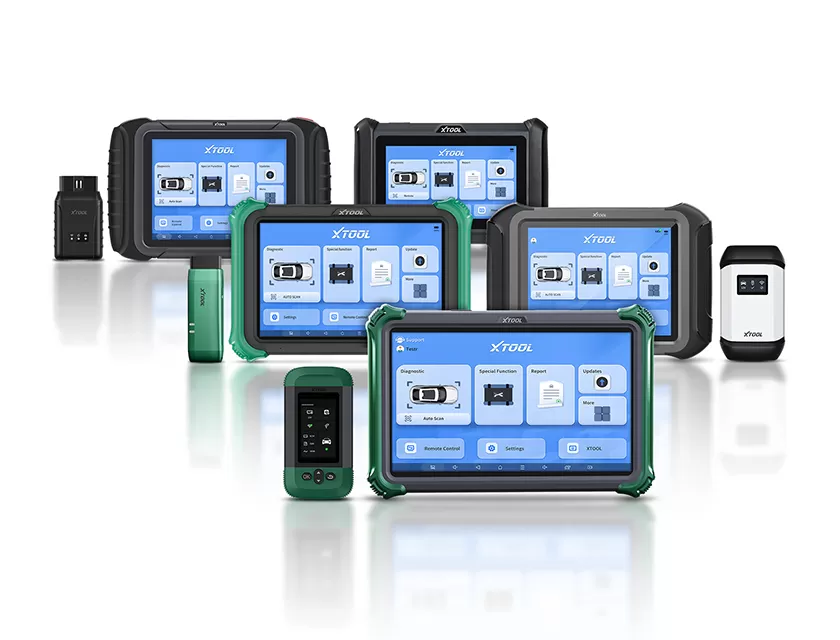
Different repair shops need different levels of diagnostic capability. A general repair shop may focus on full-system diagnostics, maintenance functions, active tests, and report generation. A specialist shop may need advanced coding, programming, topology mapping, or guided diagnostic information.
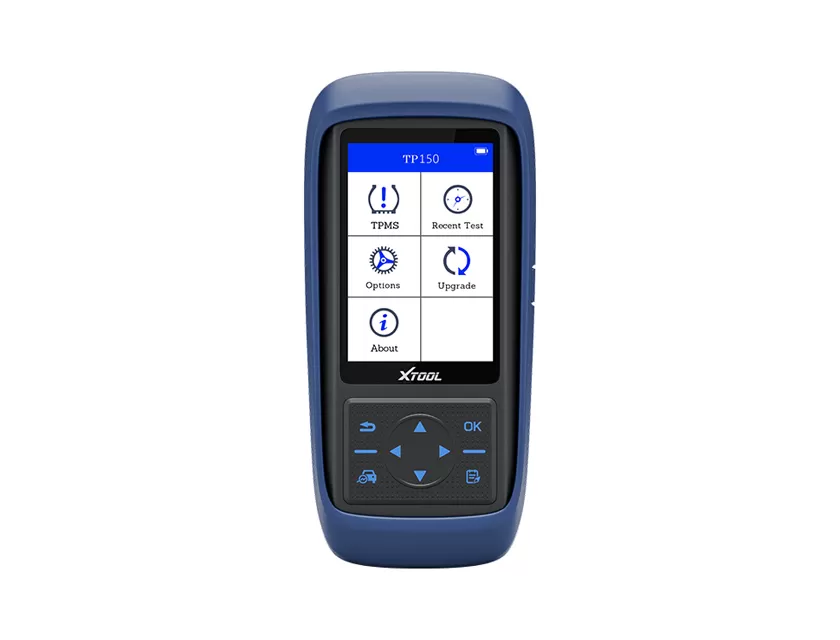
XTOOL offers diagnostic platforms for a wide range of professional repair environments. These tools can support routine vehicle diagnostics as well as more advanced service requirements.
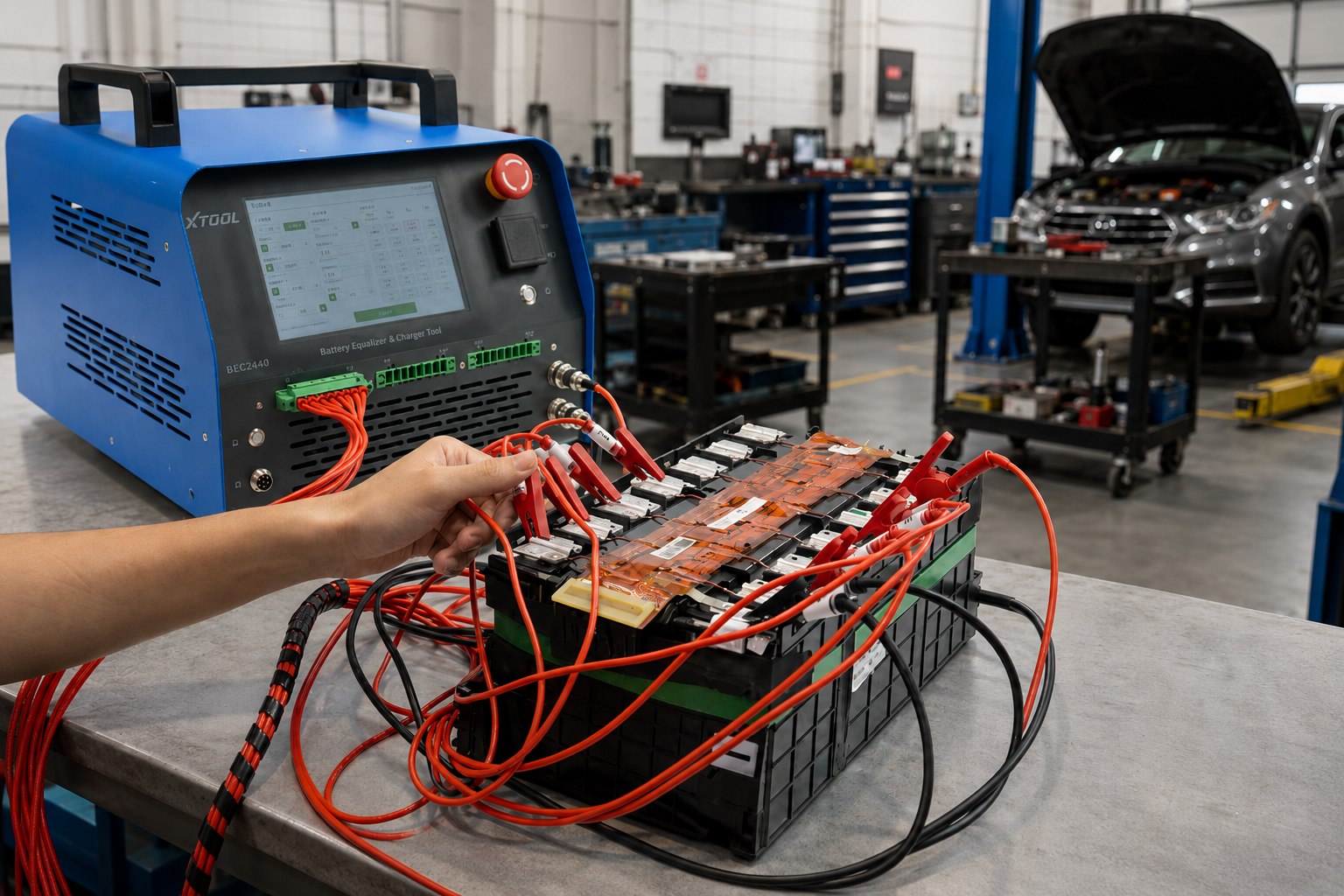
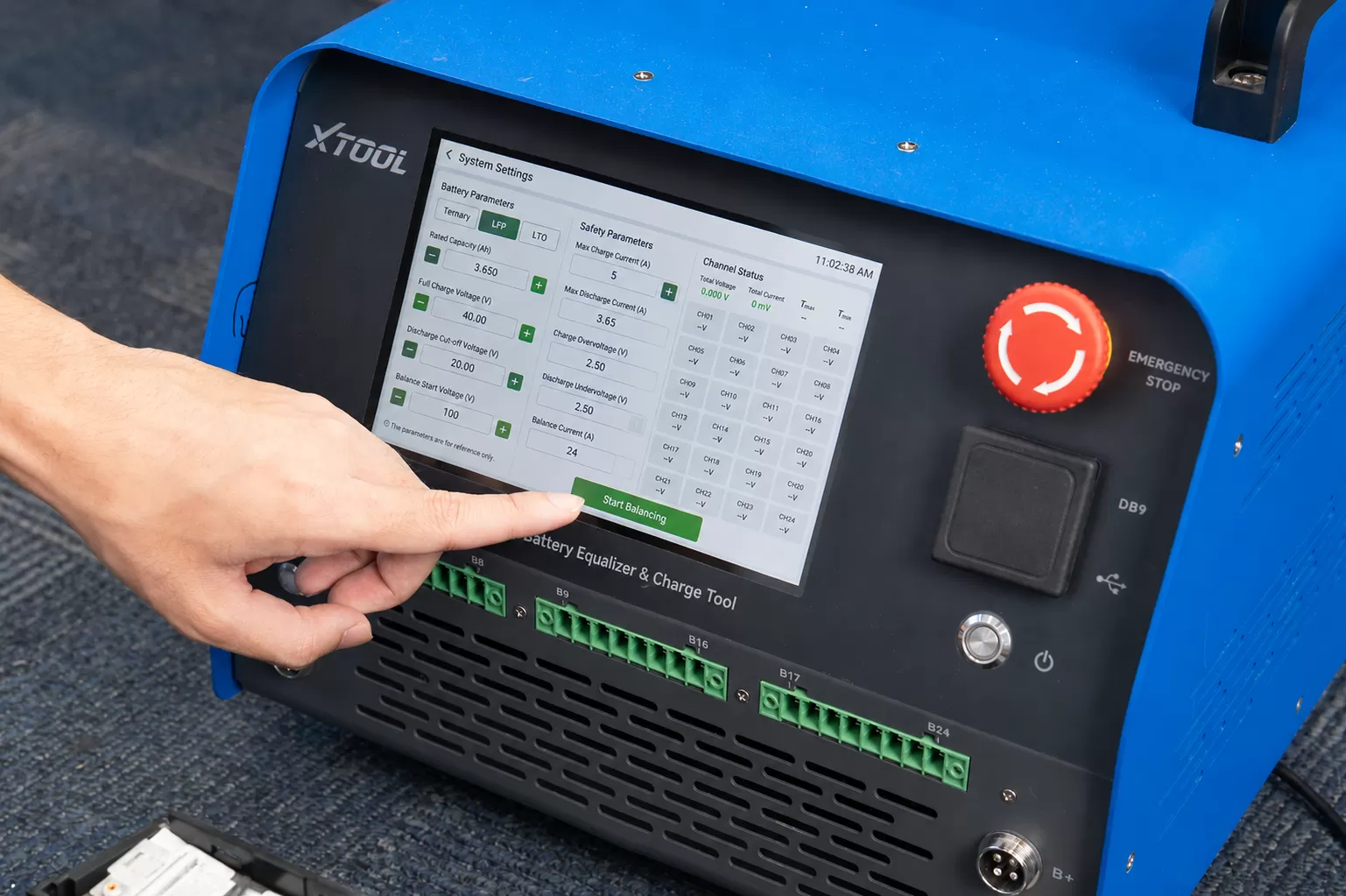
For shops preparing to expand into electric vehicle repair, XTOOL also provides a complete new energy vehicle service solution. Depending on the shop’s business model, the solution can cover:
· EV full-system diagnostics
· High-voltage system inspection
· Battery pack testing
· Battery module charging and discharging
· Cell balancing
· Charging system diagnostics
· Battery pack leak testing
This allows traditional repair shops to gradually expand from gasoline and diesel vehicle service into EV and hybrid vehicle maintenance.
A professional scan tool does more than read fault codes. It helps technicians understand vehicle systems, organize diagnostic information, reduce unnecessary repairs, and verify completed work.
For repair shops, the right diagnostic tool can improve efficiency, strengthen customer trust, and expand the range of services the business can provide.
As vehicles continue to become more software-driven and electronically controlled, diagnostic capability will become an increasingly important part of everyday repair work.
To learn which XTOOL diagnostic solution fits your repair shop, complete the form below to receive product information and equipment recommendations based on your vehicle coverage and service needs.