Diagnostic trouble codes are one of the most useful starting points in modern vehicle repair. They help technicians identify which systems have detected abnormal conditions and provide a direction for further inspection.
However, a fault code is not a final diagnosis.
The same code may be caused by a failed sensor, damaged wiring, poor voltage supply, a mechanical problem, incorrect software, or another system that affects the reported component.
The real value of a vehicle diagnostic tool is not simply reading the code. It is helping the technician move from a fault code to a reliable repair decision.
When a vehicle control module detects a condition outside its expected range, it stores a diagnostic trouble code.
That code may identify the affected circuit or system, but it does not always confirm the root cause.
For example, a low-voltage sensor code could be caused by:
· A failed sensor
· An open or shorted wire
· A poor ground
· A weak battery
· A connector problem
· A control module fault
· Another component pulling down the circuit
If the technician replaces the sensor based only on the code description, the vehicle may return with the same problem.
This is why code reading should always be followed by additional testing.
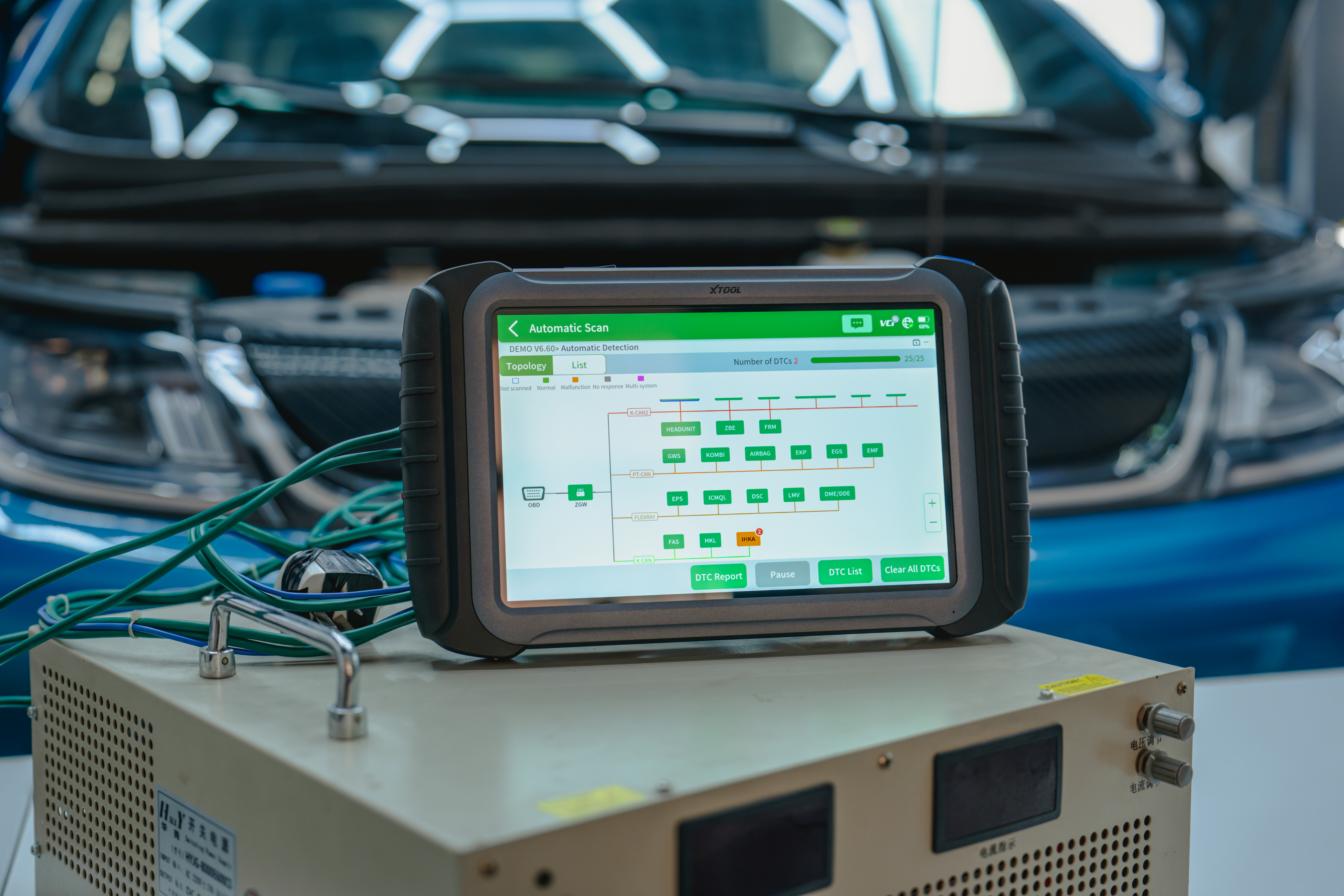
The technician should begin with a complete system scan rather than checking only the module connected to the warning light. Multiple modules may store related faults, and one problem may create secondary codes in other systems.
Freeze-frame data records certain vehicle conditions at the moment the fault was detected. This may include engine speed, vehicle speed, temperature, voltage, load, and other operating values. The information helps the technician understand when the fault occurred and whether it was related to a particular driving condition.
Live data allows the technician to monitor sensors, switches, pressure readings, temperatures, voltages, and module commands in real time. Instead of asking only whether a value is present, the technician can evaluate whether it changes correctly under different operating conditions.
Active tests allow the diagnostic tool to command supported components directly. For example, the technician may activate a cooling fan, fuel pump, valve, light, door lock, or other actuator. If the component responds correctly, the technician can narrow the inspection to the control conditions, wiring, sensors, or related systems.
Scan data should be interpreted together with wiring diagrams, specifications, technical service information, repair history, and physical inspection. The diagnostic tool provides evidence, but the technician must connect that evidence to the vehicle’s actual condition.
A diagnosis influences much more than the repair itself. It affects labor estimates, parts ordering, workshop scheduling, customer communication, and the risk of a comeback.
When diagnostic information is incomplete, the shop may order the wrong part, underestimate labor time, or provide an uncertain quotation.
A professional diagnostic tool can help technicians build a clearer repair plan by showing:
· Which systems contain faults
· When the faults occurred
· How related sensors and components behave
· Whether actuators respond to commands
· Whether the system returned to normal after repair
This allows the shop to make decisions based on evidence rather than assumption.
Customers may not understand technical terms such as module communication faults, voltage deviations, or sensor plausibility errors.
A diagnostic report can make the repair process easier to explain.
Pre-scan reports document the vehicle’s condition before work begins. Post-scan reports show the system status after the repair.
These reports can support repair authorization, insurance documentation, fleet maintenance records, and customer handover. They also improve transparency by showing that the repair recommendation was based on a structured diagnostic process.
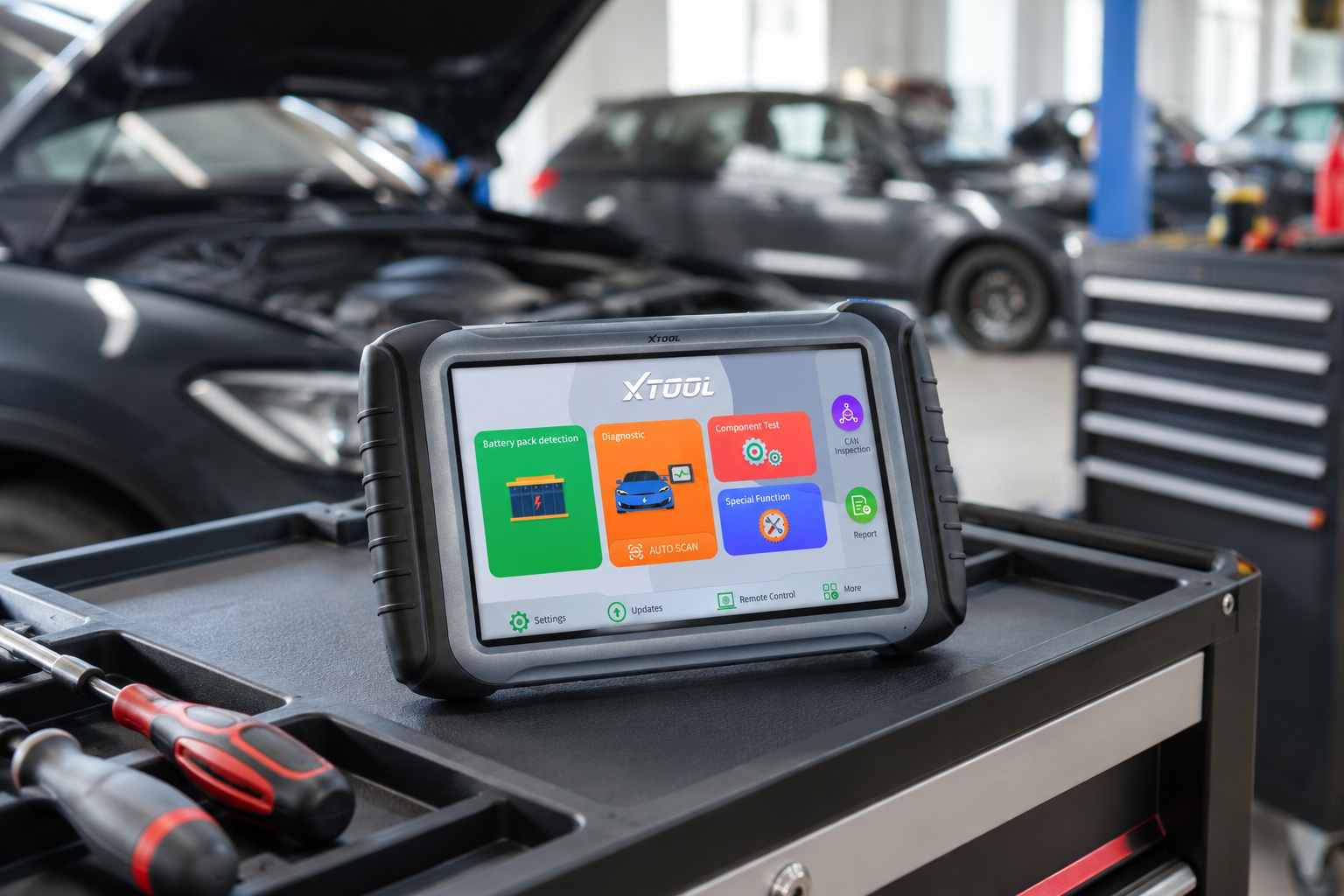
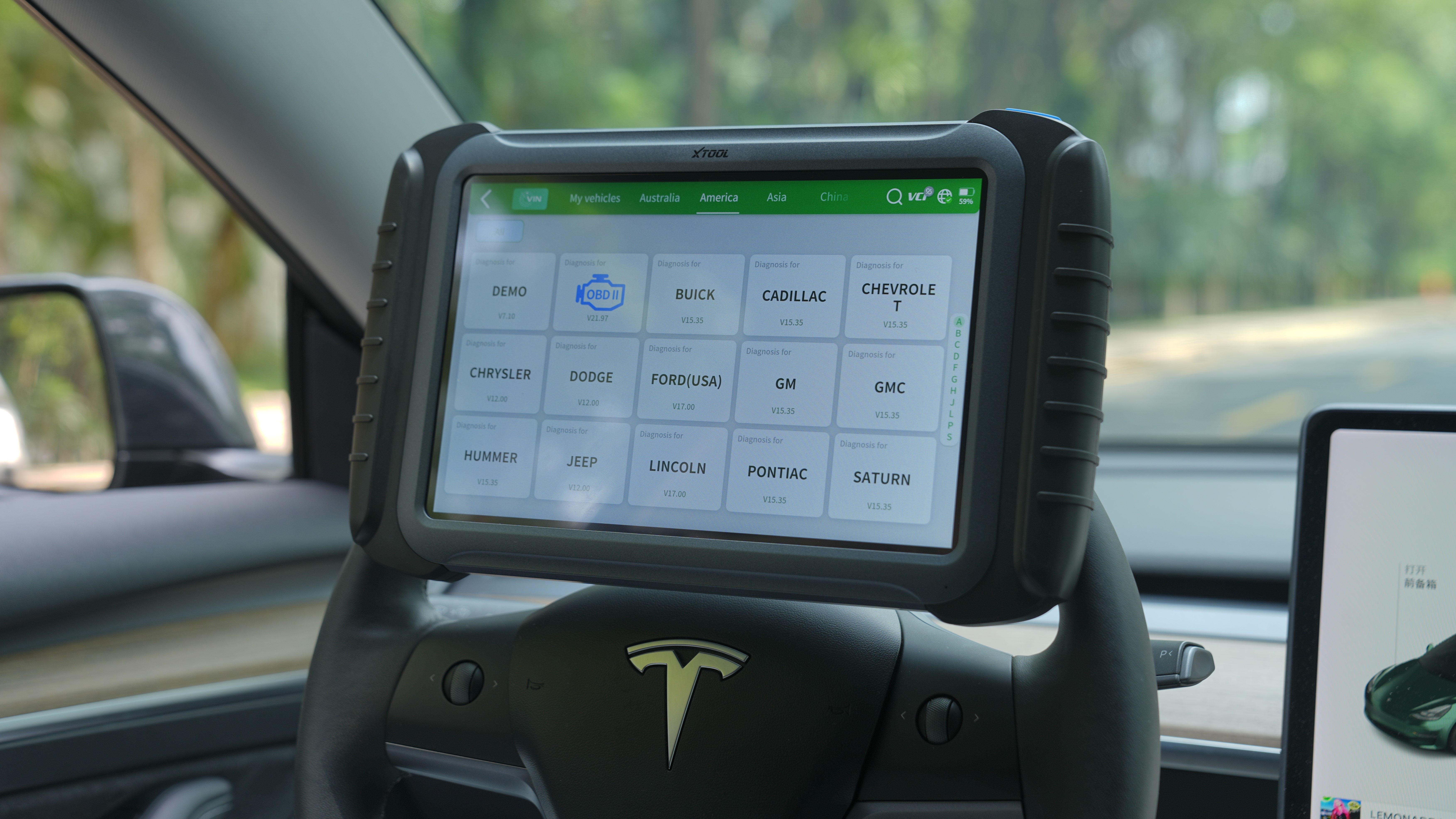
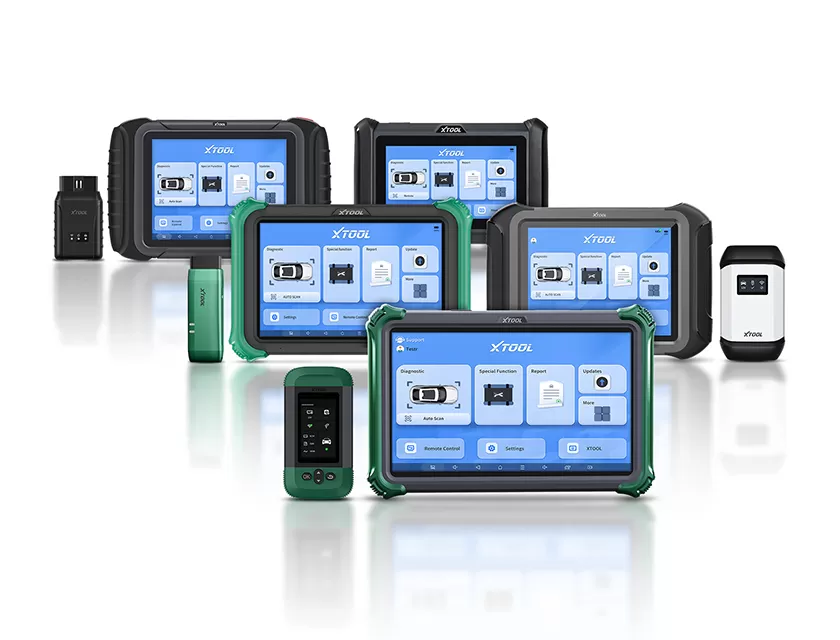
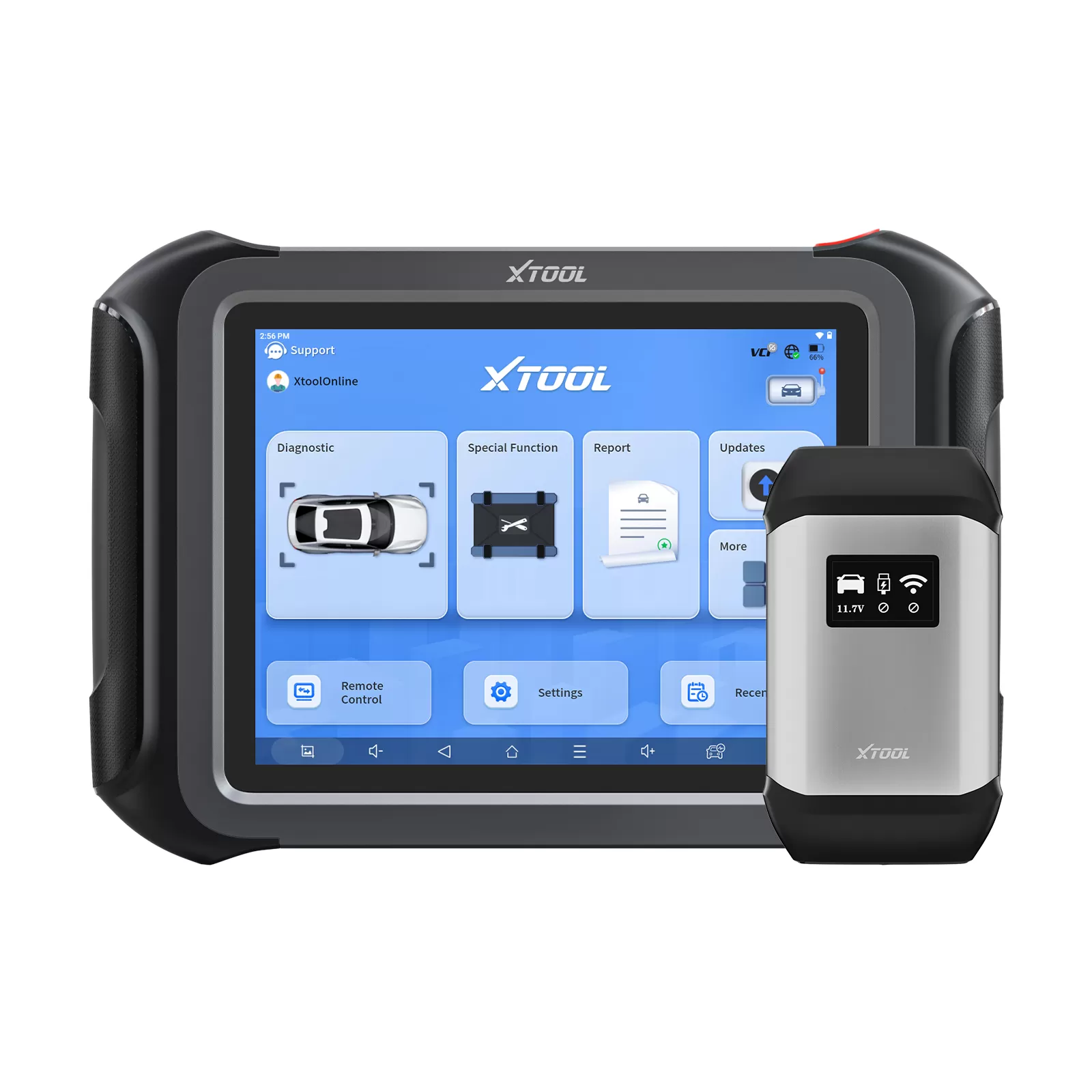
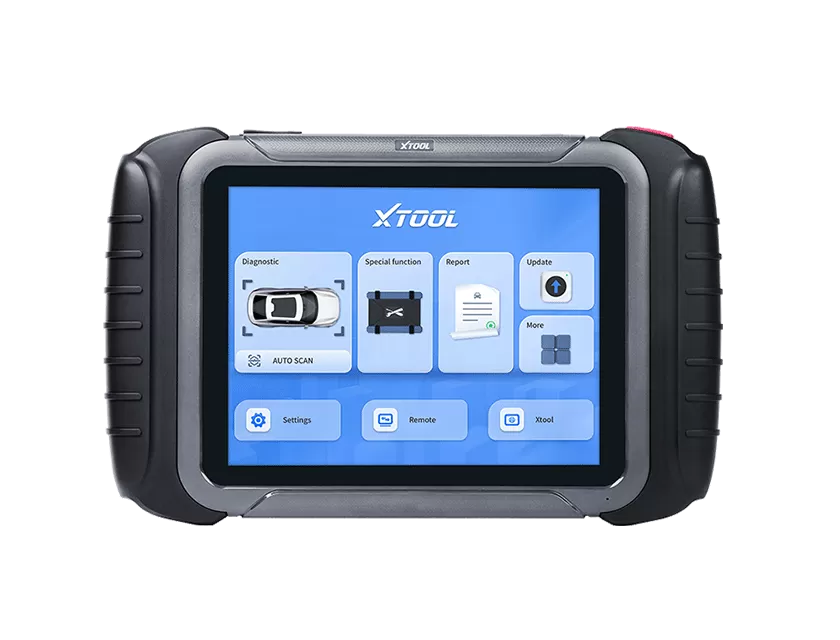
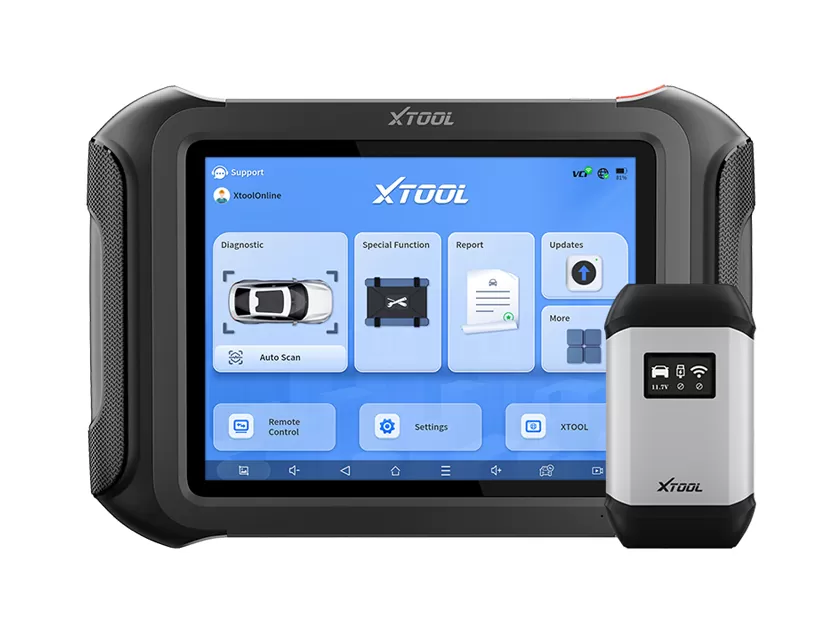
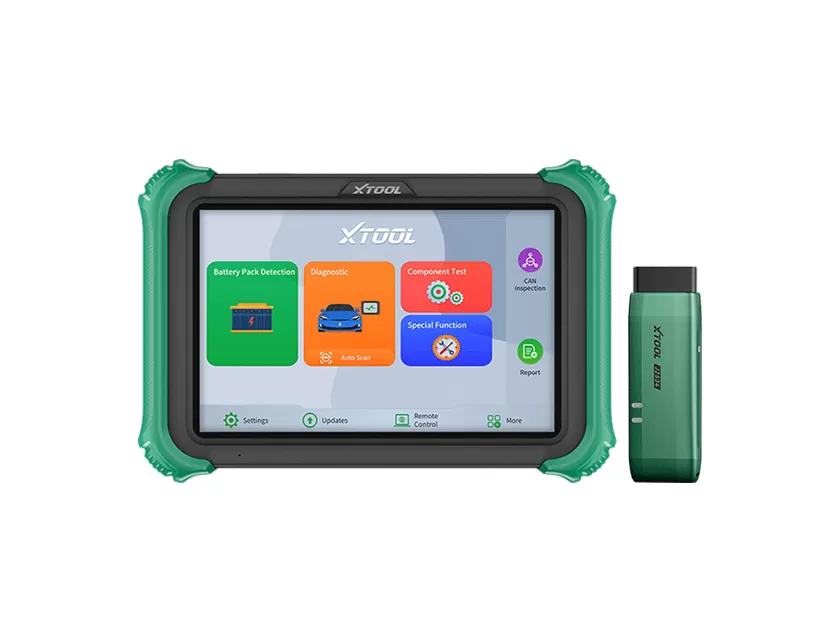
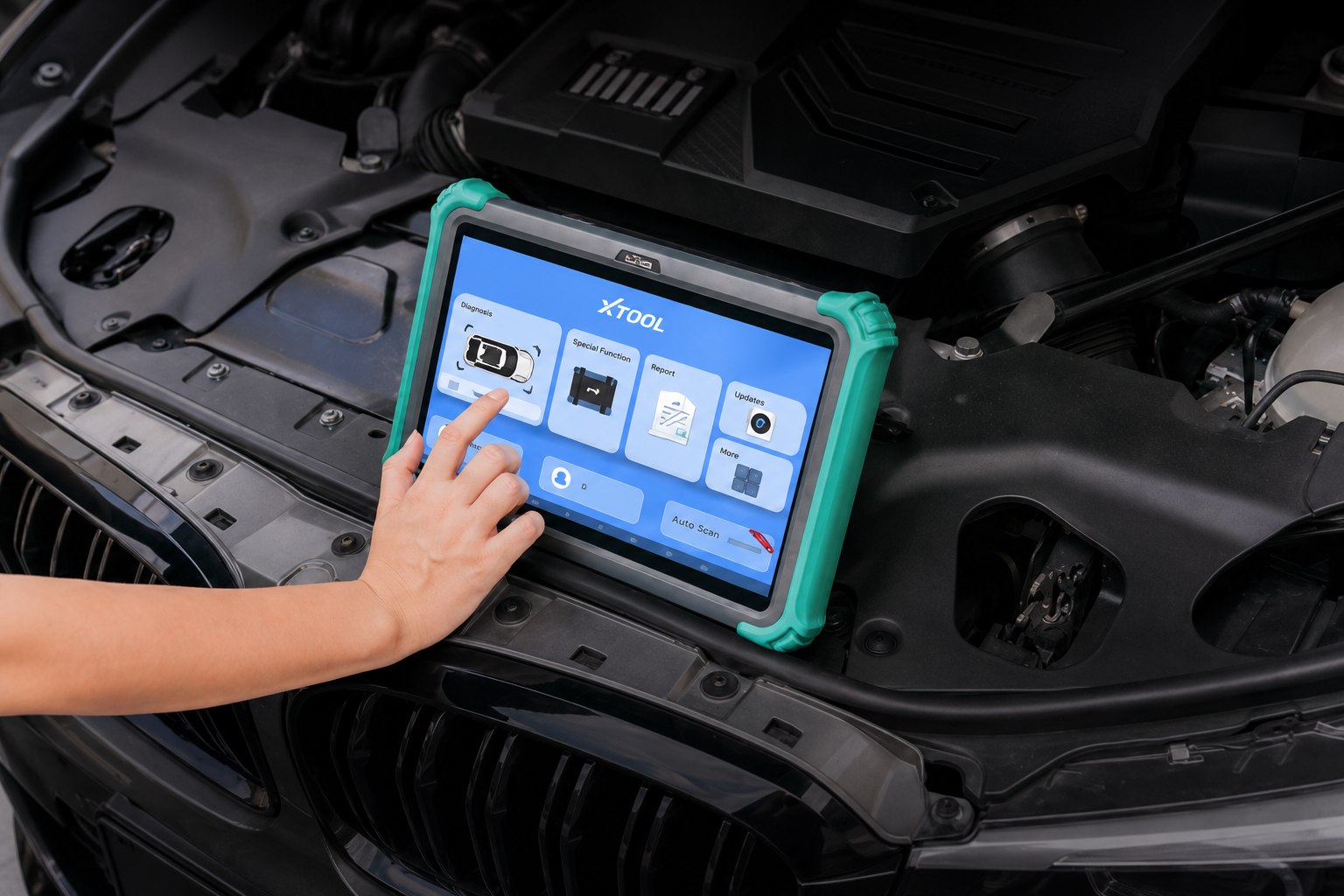
XTOOL diagnostic platforms support professional vehicle inspection through functions such as:
· Full-system scanning
· Diagnostic trouble code analysis
· Live data monitoring
· Active testing
· Special functions
· Pre-scan and post-scan reports
These capabilities help technicians collect and organize the information needed to evaluate a fault more accurately.
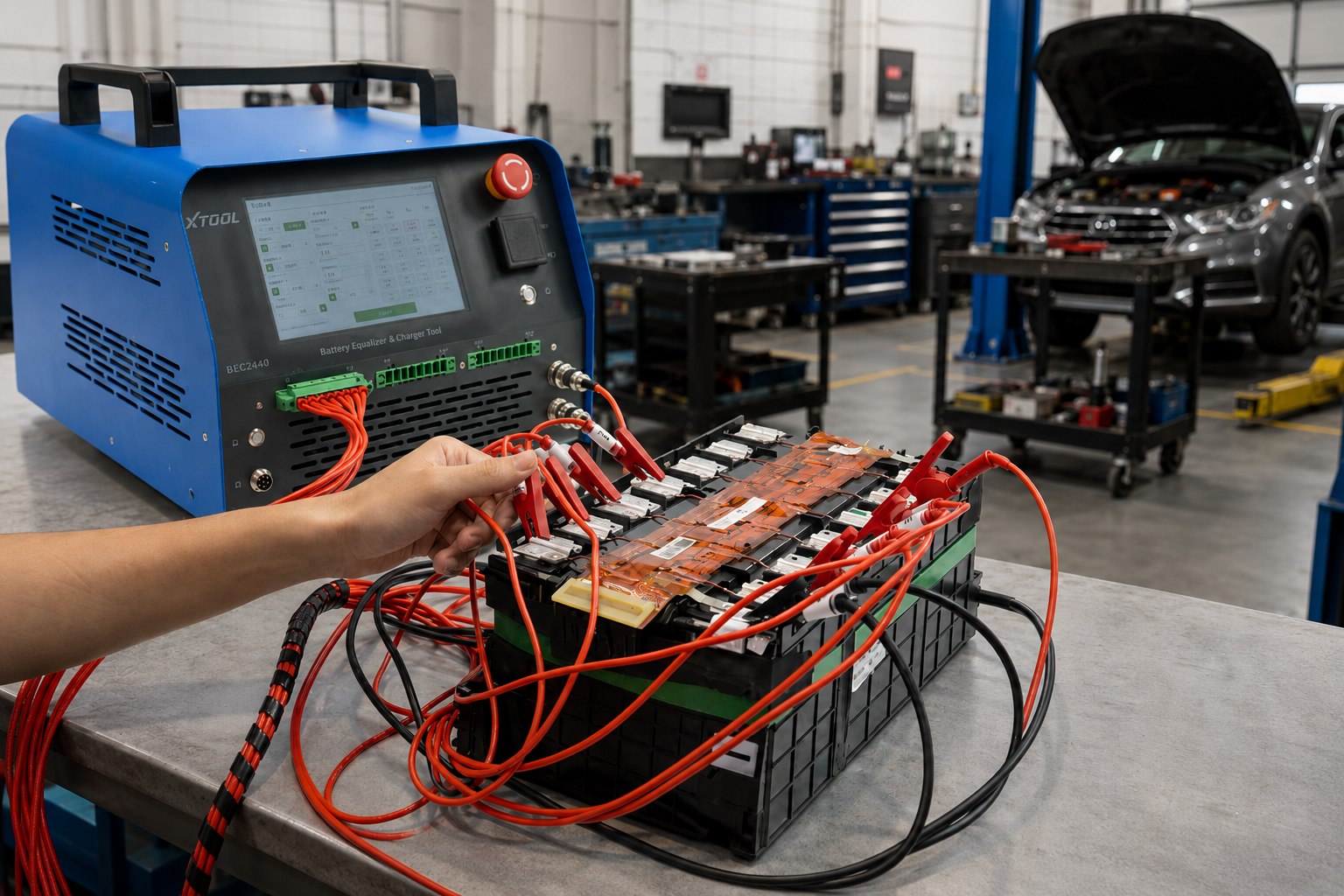
For more complex electric and hybrid vehicles, XTOOL also provides a new energy vehicle service solution.
Technicians can combine vehicle-level diagnostics with high-voltage system inspection, battery condition analysis, charging system diagnosis, battery module testing, charging, discharging, balancing, and battery pack leak testing.
This broader workflow is especially important for EV faults because a warning code may involve the battery management system, charging equipment, thermal management, high-voltage interlock circuits, or individual battery modules.
A fault code should begin the diagnostic process, not end it.
By combining codes, freeze-frame data, live data, active tests, repair information, and post-repair verification, technicians can build a clearer picture of the vehicle’s condition.
This reduces unnecessary parts replacement, improves repair accuracy, and helps the shop provide more defensible recommendations.
For repair businesses, the right diagnostic tool is not simply a code reader. It is a decision-support platform that connects vehicle data with technician experience.
To improve your shop’s diagnostic efficiency and repair decision process, contact the XTOOL team for a tool recommendation based on your vehicle coverage and service requirements.